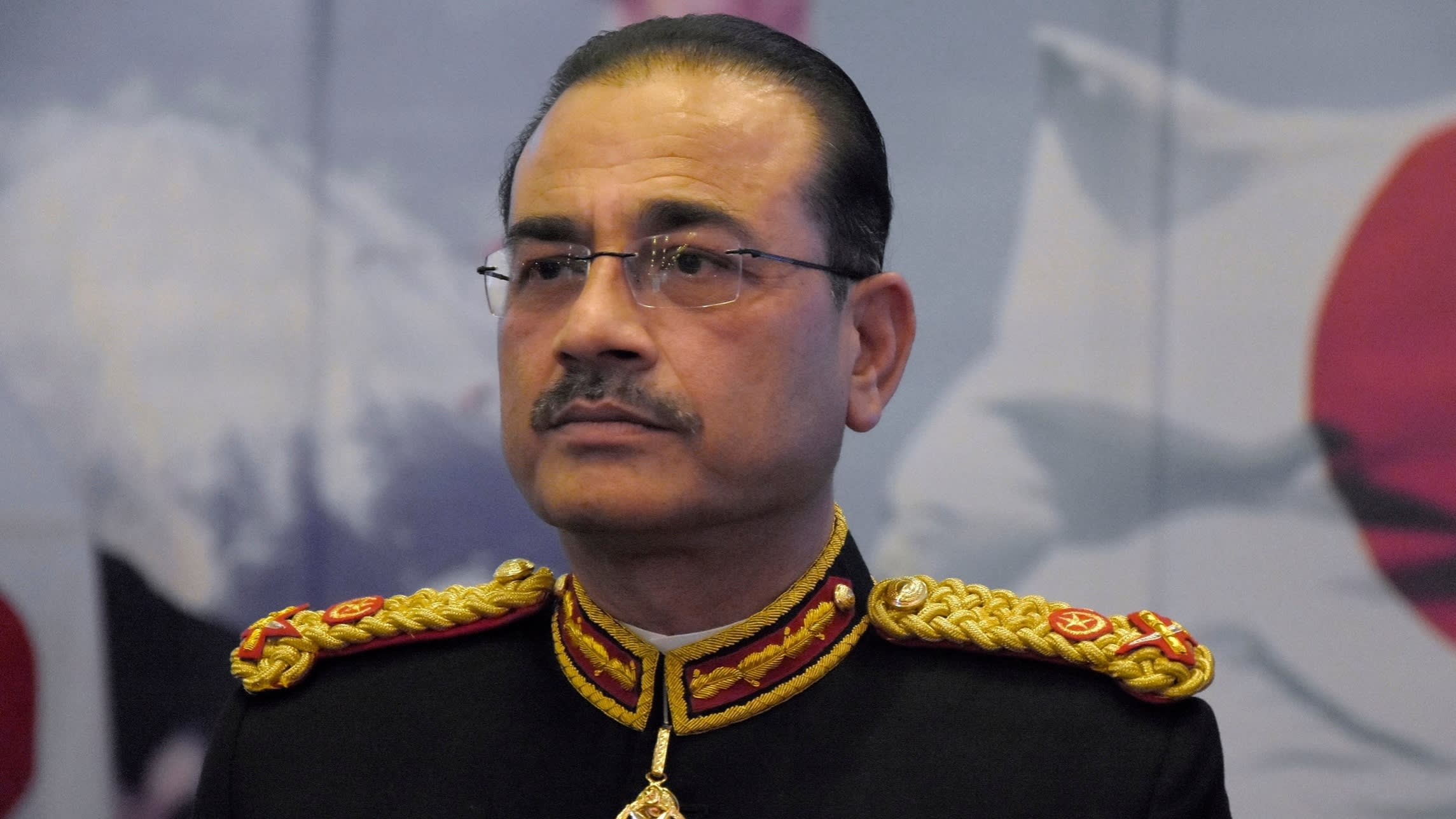
General Asim Munir, the Chief of Army Staff of the Pakistan Army, has disclosed Pakistan's prominent role as a mediator in the current crisis with Iran, capitalizing on his solid relationships with both Tehran and Washington. This initiative is part of regional peace efforts, where Pakistan aims to alleviate tensions and seek diplomatic solutions to outstanding issues.
General Munir is known for his strong connections with Iranian leaders, allowing him to exchange views directly. His good relationship with the U.S. president also serves as a facilitating factor in this mediation, aiming to reduce the escalating tensions between Iran and the United States, especially in light of the recent surge in regional events.
Details of the Event
The Iranian crisis is considered one of the most sensitive issues in international politics today, intertwining the interests of several countries. Pakistan seeks to leverage its unique relationships with both parties to enhance dialogue and avoid escalating situations that could lead to open conflict. It is noteworthy that such efforts are not new to Pakistan, as it often adopts mediation roles in various regional crises.
Recent statements by General Munir have drawn the attention of observers, as it is believed that strengthening ties with Iran could help avoid crises on political fronts, which is crucial for Pakistan as a pivotal state in the region. Despite the significant challenges it faces, rebuilding trust among the concerned parties is seen as a necessary first step towards achieving peace and stability.
Background & Context
Historically, Pakistan has played a mediating role in regional relations, particularly between India, Pakistan, and Afghanistan. This strategy stems from previous efforts to ease tensions and is now expanding to include the Iranian file. The increase in Pakistani diplomatic activity is attributed to a new vision for expanding international partnerships and promoting regional peace.
Despite the economic and political challenges facing Pakistan, the influence of military figures like General Munir enables the country to play a more effective role. It is important to note that relations between the United States and Iran have escalated since Trump's withdrawal from the nuclear agreement, making mediation essential.
Impact & Consequences
The outcomes of this mediation are significant not only for the United States and Iran but also affect regional stability as a whole. Pakistan's success in playing a mediating role could enhance its international standing as a supporter of peace, drawing attention to how to handle other crises in the region.
Moreover, strengthening relations with Iran could contribute to improving Pakistan's economic situation, as it may open doors for economic cooperation that enhances stability. Given the current tensions, these efforts could take on a more serious form of direct negotiations.
Regional Significance
The Iranian issue is central to Arab affairs, as tensions between Iran and Gulf Arab states directly impact regional security. Therefore, any efforts aimed at alleviating these tensions hold particular importance for Arabs, especially Gulf states suffering from the effects of recurring conflicts. Pakistani mediation is expected to contribute to creating a new dynamic in Arab-Iranian relations.
Current events indicate that seeking diplomatic solutions is the most suitable way to alleviate crises. Under the present circumstances, it is the Arab duty to support anything that enhances the prospects for regional peace and stability.