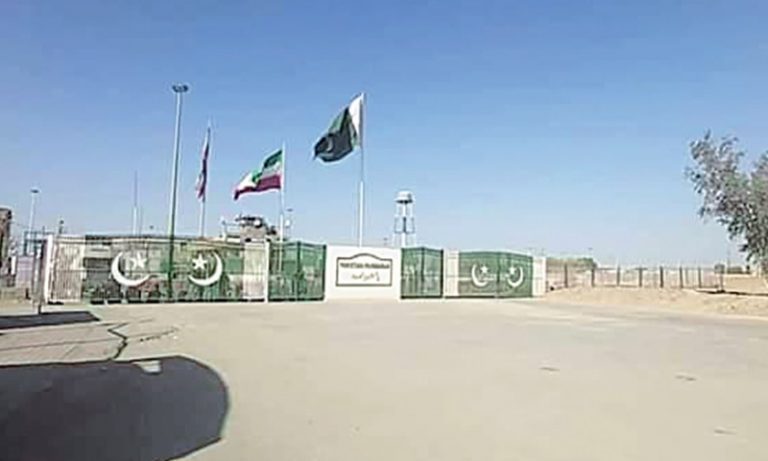
Pakistan has declared its decision to open its territory for the transit of goods heading to Iran, reflecting its ambition to strengthen its position as a regional trade corridor. This initiative aims to boost revenues from transport, storage, and fees, at a time when the country faces complex security challenges.
This move is part of Pakistan's strategy to enhance trade links with its neighbors, especially given the difficult economic conditions in the region. Additionally, this decision could contribute to improving trade relations between Pakistan and Iran, benefiting both countries.
Details of the Initiative
The Pakistani government has allowed the transit of commercial goods through its territory to Iran, marking a strategic step to enhance regional trade. This initiative comes as Pakistan seeks to improve its revenues by increasing trade flow across its borders. Government officials have indicated that this step will help boost the local economy and create new job opportunities.
The goods permitted for transit will include a diverse range of products, reflecting the variety of trade between the two countries. Furthermore, this initiative is part of Pakistan's efforts to expand its transport and trade network with its neighbors, including Afghanistan and Iran.
Background & Context
Historically, Pakistan and Iran have enjoyed strong trade relations; however, political and security tensions in recent years have impacted these ties. Nevertheless, opening the borders for goods transit can be seen as a positive step towards enhancing economic cooperation between the two nations. This initiative also comes at a time when the region is experiencing significant economic transformations, necessitating the strengthening of trade links.
Pakistan aims to leverage its geographical position as a link between Central Asia and the Middle East, enhancing its role as a regional trade hub. The Pakistani government has shown considerable interest in boosting trade with Iran, especially in light of the economic challenges faced by the country.
Impact & Consequences
The opening of borders is expected to have a positive impact on the Pakistani economy, potentially leading to increased revenues from transport and storage. Moreover, enhancing trade with Iran may contribute to improving bilateral relations, which could open new avenues for cooperation in other areas.
However, this initiative comes at a time when Pakistan faces security challenges, as the country continues to grapple with threats of terrorism and border conflicts. Therefore, the government needs to implement effective security measures to ensure the safety of trade movement across the borders.
Regional Significance
This initiative is significant not only for Pakistan and Iran but also for the Arab region as a whole. It could contribute to enhancing regional trade and facilitating the movement of goods between countries. Improving trade relations between Pakistan and Iran may have a positive impact on regional stability.
If Pakistan succeeds in strengthening its role as a trade corridor, it could lead to increased cooperation between Arab countries and neighboring nations, contributing to sustainable economic development in the region.
In conclusion, Pakistan's decision to open its borders for goods transit to Iran represents a strategic step reflecting its efforts to enhance regional trade. However, the Pakistani government must address security challenges to ensure the success of this initiative.