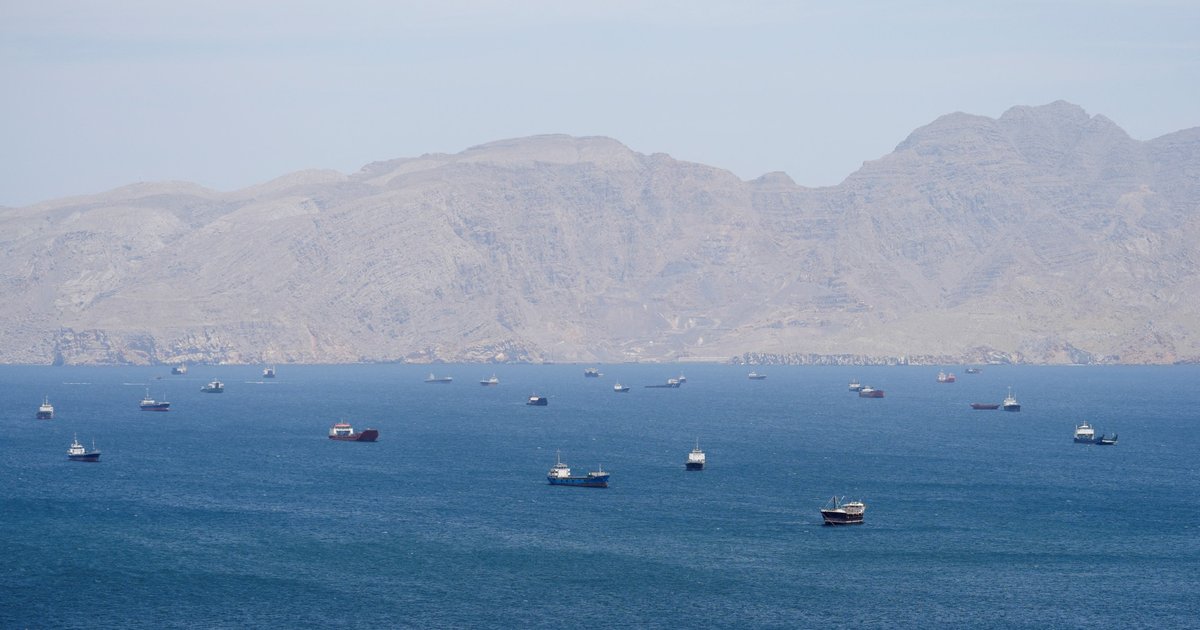
Pakistan has announced the opening of new transit routes that allow Iran to import goods from third countries through its territory. This initiative aims to enhance trade cooperation between the two nations and facilitate the movement of goods. The new routes connect major ports such as Karachi, Port Qasim, and Gwadar with border points in Balochistan.
This initiative comes into effect immediately and was announced during the visit of Iranian Foreign Minister Abbas Araghchi to Pakistan. This visit reflects the significance of the bilateral relations between the two countries, as both sides seek to enhance economic and trade cooperation.
Details of the Initiative
This step is part of Pakistan's strategy to become a regional trade hub, as it aims to improve infrastructure and facilitate the movement of goods across its territory. These policies are expected to expedite shipping and reduce bureaucratic delays that have hindered trade between Iran and other countries.
The new routes include strategic crossing points, making it easier for Iran to import essential goods from countries like China and Turkey, thereby enhancing Iran's ability to access global markets.
Background & Context
Historically, trade relations between Pakistan and Iran have been influenced by various political and economic factors. However, the opening of these new routes is considered a positive step towards improving relations and enhancing cooperation between the two sides. In recent years, Iran has sought to diversify its sources of imports amid economic sanctions, making this initiative particularly significant.
These developments come at a time when the region is witnessing significant changes, as many countries strive to enhance intra-regional trade and ease restrictions on the movement of goods.
Impact & Consequences
This initiative is expected to strengthen Pakistan's role as a key trade corridor in the region, potentially contributing to an increase in foreign investments in infrastructure. Additionally, facilitating the movement of goods will improve the local economy in Pakistan, as local businesses can benefit from increased demand for logistics services.
Furthermore, this step may lead to improved relations between Iran and neighboring countries, contributing to regional stability. However, it is essential to monitor how these policies affect relations with other countries, especially those that may be concerned about the strengthening of Iranian-Pakistani ties.
Regional Significance
The effects of this initiative extend beyond Pakistan and Iran, as it may influence trade in the Arab region as a whole. Improvements in infrastructure in Pakistan could facilitate trade between Arab countries and Iran, enhancing opportunities for economic cooperation.
In light of the political and economic tensions in the region, enhancing trade between countries could have a positive impact on regional stability. This initiative may also open new avenues for cooperation between Arab nations and Iran, fostering opportunities for peace and development.