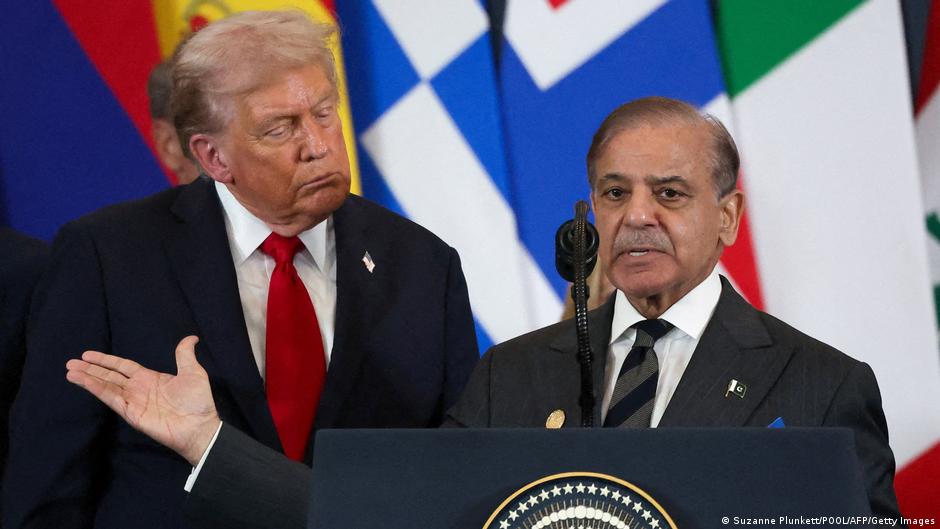
Pakistan finds itself in a challenging position amid recent demands from U.S. President Donald Trump to sign the Abraham Accords to normalize relations with Israel, as part of a potential deal to end the war with Iran. Trump stated on Monday that any agreement to end the war with Iran must include countries like Saudi Arabia, Pakistan, and Qatar joining these accords.
In a social media post, Trump wrote: "After all the work the United States has done to try to piece together this complex puzzle, it should be essential for all these countries to sign the Abraham Accords at least at the same time." The countries mentioned include Saudi Arabia, United Arab Emirates, Qatar, Turkey, Egypt, Jordan, and Bahrain.
Event Details
Although some Pakistani officials have rejected this request, there has not yet been a unified or decisive response from the Pakistani government or military. Islamabad plays a key role as a mediator in ending the U.S.-Israeli war against Iran, and in April, it managed to convince the U.S. to halt attacks on Iran that began on February 28.
Trump has praised Pakistan's role as a mediator several times, describing Pakistani Prime Minister Shehbaz Sharif and Chief of Army Staff Asim Munir as among his "favorite people." However, joining the Abraham Accords would be more complicated for Pakistan than mediating in the Iranian war.
Background & Context
The Abraham Accords are a series of bilateral agreements mediated by the United States aimed at normalizing relations between Israel and several Arab countries. The first of these accords was signed on September 15, 2020, between Israel, the United Arab Emirates, and Bahrain.
Pakistan does not recognize Israel and has no diplomatic relations with it, but there have been reports of some informal interactions between the two sides in the past. According to analysts, the benefits of joining the Abraham Accords may be real but politically exaggerated, as Pakistan could gain diplomatic goodwill in Washington and some Gulf capitals.
Impact & Consequences
However, analysts point out that this move could come with significant risks. It may negatively affect Pakistan's standing on the Palestinian issue, increase tensions with Iran, and lead to internal instability. Additionally, Pakistan's decision to join or not join the Abraham Accords ultimately depends on the direction that Saudi Arabia will take on this matter.
Pakistan enjoys close diplomatic, economic, and security relations with Saudi Arabia, and the Saudis, as guardians of the holy places in Islam, are highly regarded by most Pakistanis. If Saudi Arabia moves first, it could facilitate discussions for Pakistan, but it will not make it easy.
Regional Significance
If Pakistan decides to join the Abraham Accords, it could open the door to new developments in relations between Islamic countries and Israel. However, any such move would face strong opposition from religious parties, Islamic groups, and right-wing media, which may describe recognition of Israel as a betrayal of the Palestinian cause.
In conclusion, Pakistan's decision regarding joining the Abraham Accords will have significant implications for the country's future and may shape the course of regional and international relations in the coming years.