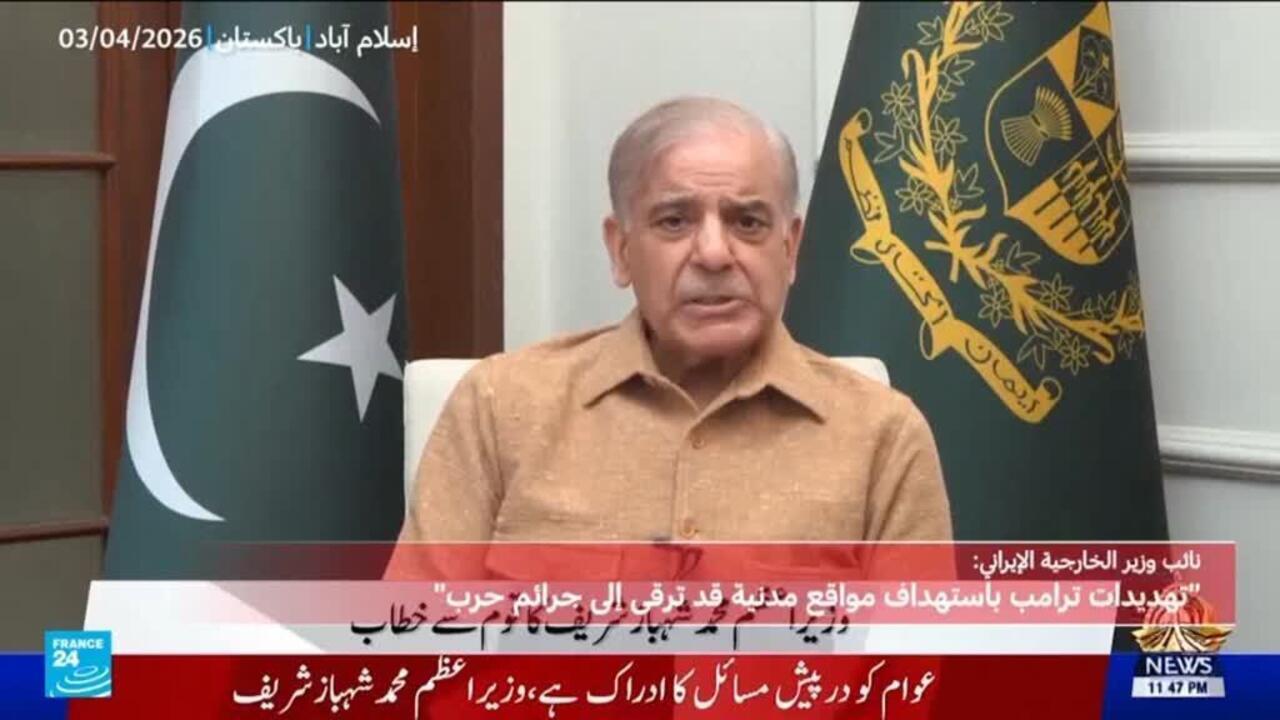
Informed sources reported today, Monday, that Iran and the United States have received a plan from Pakistan aimed at ending hostilities, which could come into effect soon, allowing for the reopening of the Strait of Hormuz. Iranian officials confirmed that the Islamic Republic will not reopen the strait in exchange for a 'temporary ceasefire,' indicating that Tehran believes Washington is not prepared for a permanent ceasefire.
In this context, a senior Iranian official told Reuters that Iran received a proposal from Pakistan for an immediate ceasefire and is carefully considering this proposal. The official explained that Tehran rejects any pressure exerted on it to accept deadlines or make hasty decisions.
Details of the Proposal
These developments come at a sensitive time, as the Strait of Hormuz is witnessing increasing tensions due to regional conflicts. This strait is one of the most important maritime passages in the world, through which about 20% of the world's total oil passes. Any escalation in hostilities could significantly impact global energy markets.
The Pakistani proposal aims to calm the tense situation in the region and reflects Islamabad's efforts to play a mediating role between Tehran and Washington. However, the Iranian stance indicates its unwillingness to accept temporary solutions, reflecting the complexity of the current situation.
Background & Context
Historically, the Strait of Hormuz has witnessed numerous crises, as the region has been a theater for multiple conflicts between major powers. Since the United States withdrew from the nuclear agreement with Iran in 2018, tensions have escalated significantly, leading to a series of maritime clashes and attacks on oil tankers.
Iran considers the presence of American forces in the region a threat to its national security, complicating any efforts to reach a lasting agreement. Conversely, the United States seeks to bolster its military presence in the region as a means of pressuring Tehran.
Impact & Consequences
If the Pakistani proposal is accepted, it could lead to a de-escalation of tensions in the region, contributing to the stabilization of global oil markets. However, Iran's rejection of any temporary solutions could lead to a new escalation in hostilities, threatening to close the strait once again.
The potential repercussions of this situation include rising oil prices, which would negatively affect the global economy, especially in countries that heavily rely on oil imports. Additionally, any escalation in the region could have political ramifications on international relations.
Regional Significance
The Arab countries neighboring the Strait of Hormuz are among the most affected by any escalation in hostilities. Stability in this region is vital for energy security in the Arab world, as many countries depend on exporting oil through this critical passage.
Any escalation in tensions could increase economic pressures on these countries, potentially reflecting negatively on their internal stability. Therefore, mediation efforts such as those undertaken by Pakistan are essential to maintain security and stability in the region.
In conclusion, attention remains focused on Tehran and Washington to see how they respond to the Pakistani proposal and whether this step will contribute to ending current tensions.