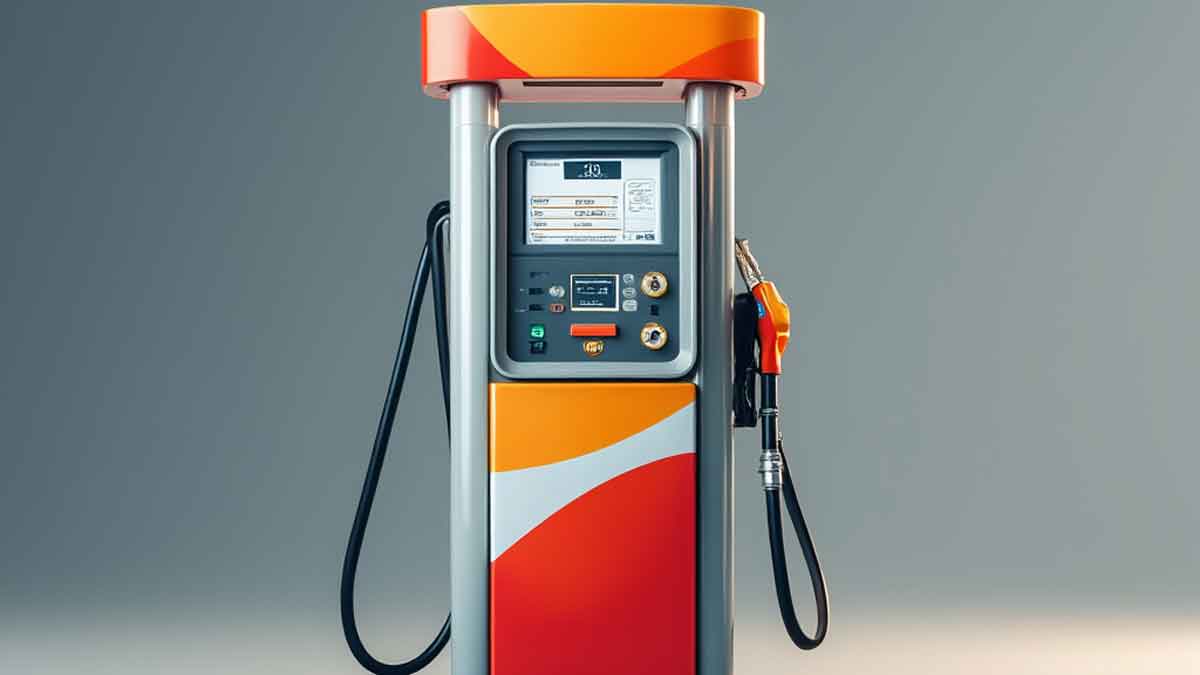
The Pakistani government has sharply raised fuel prices, witnessing a noticeable increase amid the escalating political and economic crises in the region. This hike comes at a critical time, as the Pakistani economy grapples with significant challenges related to inflation and rising living costs.
According to official data, the prices of gasoline and diesel have surged by over 20%, raising concerns among citizens who are already facing economic hardships. The government justified this increase as necessary to address global challenges, especially amid ongoing disruptions in global energy markets.
Details of the Price Increase
This increase in fuel prices follows a period of relative stability, during which the government had maintained prices for an extended time. However, recent events in the Middle East, including ongoing conflicts, have led to a rise in global oil prices, directly impacting the Pakistani economy.
Pakistan is one of the countries that heavily relies on oil imports, and thus any increase in global prices significantly affects its trade balance. The government has assured that it will take additional measures to mitigate the effects of this increase on citizens, but many experts are skeptical about the effectiveness of these measures.
Context and Background
Over the years, Pakistan has experienced significant fluctuations in fuel prices, as the government has dealt with both internal and external pressures. Historically, fuel prices in Pakistan have been closely linked to global oil prices, making them susceptible to volatility.
In recent years, the Pakistani government has attempted to implement economic reforms, but it has faced substantial challenges due to political and economic crises. This latest fuel price hike comes at a sensitive time, as citizens seek to improve their living standards amid increasing economic pressures.
Consequences and Impact
This increase in fuel prices is expected to raise transportation and goods costs, affecting all aspects of daily life for citizens. Many analysts predict that this hike will lead to higher inflation rates, further increasing the suffering of Pakistani families.
This move is also seen as a test for the current government, as citizens expect effective measures to alleviate the impacts of this increase. If the government fails to manage the situation well, it may face widespread public protests.
Impact on the Arab Region
The economic and political crises in Pakistan are part of a larger picture concerning stability in the region. The escalating conflict in the Middle East has direct implications for oil prices, which in turn affects oil-importing countries like Pakistan.
Moreover, the rise in fuel prices in Pakistan could impact trade relations with Arab countries, many of which rely on oil exports. Under these circumstances, Arab nations may need to reassess their trade strategies to ensure stable oil prices.
In conclusion, the increase in fuel prices in Pakistan reflects the economic challenges the country faces amid current global conditions. The government must take effective steps to mitigate the impacts of this increase on citizens, or it may face serious repercussions for internal stability.