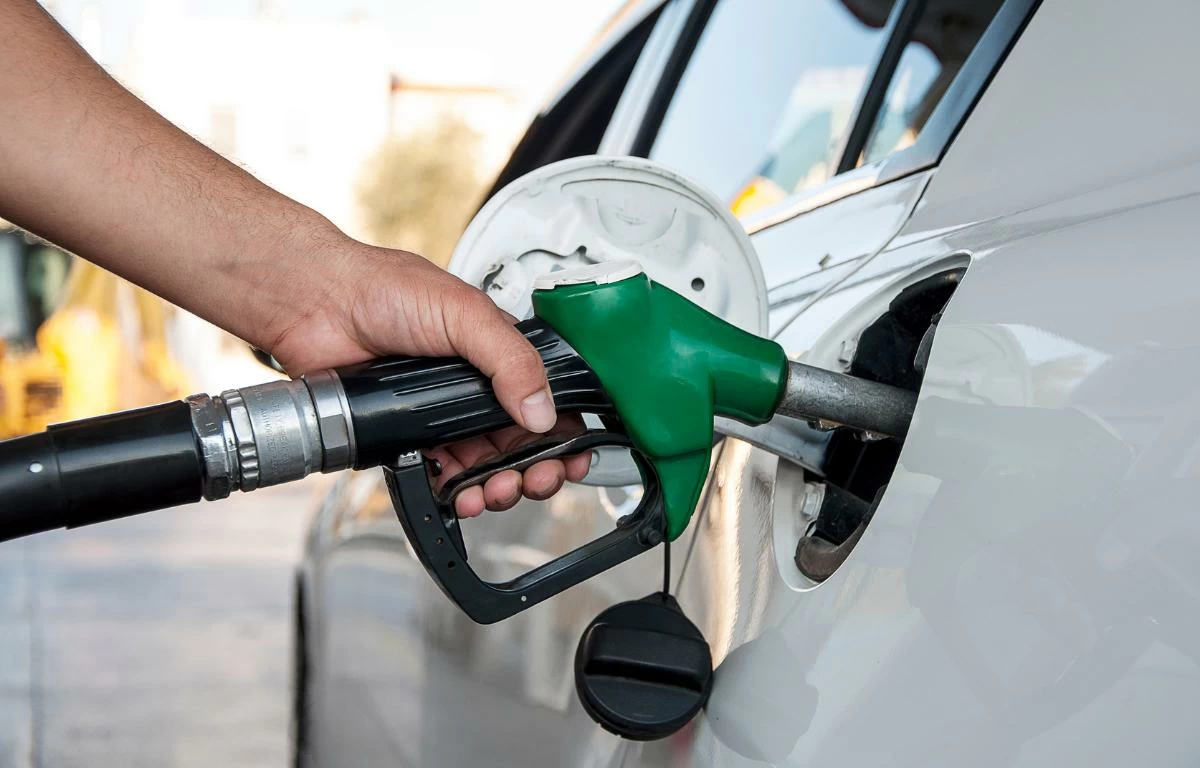
In a move aimed at alleviating the economic burdens on citizens, Pakistani Prime Minister Muhammad Shehbaz Sharif announced a reduction in gasoline prices by 80 rupees per liter, setting the new price at 378 rupees instead of 458 rupees. This initiative is part of a larger support package targeting motorcycle riders, cargo transport vehicles, and passenger buses.
As part of austerity efforts and solidarity with the people, Sharif announced that all members of the federal cabinet will waive their salaries for the next six months, reflecting the government's commitment to providing additional resources to support relief efforts for citizens.
Details of the Announcement
During a televised address, Shehbaz Sharif explained that the country is experiencing difficult economic conditions due to the war in the Gulf region, which has led to a sharp increase in global oil prices. He confirmed that the reduced gasoline price will remain stable throughout the next month, providing some stability for drivers and citizens.
Sharif also noted that the federal government and regional governments will work together to mobilize as many resources as possible to support citizens, especially given the economic challenges arising from ongoing conflicts in the Middle East.
Background & Context
Pakistan is facing significant economic challenges, with the economy suffering from various impacts, including rising prices of essential goods and a depreciating currency. These measures come at a sensitive time, as officials seek to bolster trust between citizens and the government.
Historically, Pakistan has experienced several economic crises, but this time it seems the government is adopting a more inclusive approach by involving ministers in sharing the financial burdens. This step reflects the government's desire to provide tangible support to citizens amid difficult circumstances.
Impact & Consequences
The reduction in gasoline prices is expected to ease financial pressures on families, particularly those relying on public transportation. Additionally, supporting the transportation sector by granting 100 rupees per liter to owners of motorcycles, cargo vehicles, and public transport is seen as a positive step to boost the local economy.
Furthermore, allocating monthly support for small and large trucks and passenger buses may contribute to improving the level of services provided to citizens, enhancing the government's ability to address economic challenges.
Regional Significance
These steps in Pakistan serve as a model for the region, where many Arab countries face similar economic challenges. These measures may inspire other governments to adopt similar policies aimed at supporting citizens during economic crises.
In light of ongoing conflicts in the Middle East, it may be essential for Arab nations to adopt effective support strategies for their citizens, reflecting their commitment to improving living conditions.
In conclusion, these measures in Pakistan represent a positive response to economic challenges and may serve as a model for the Arab region under current conditions.