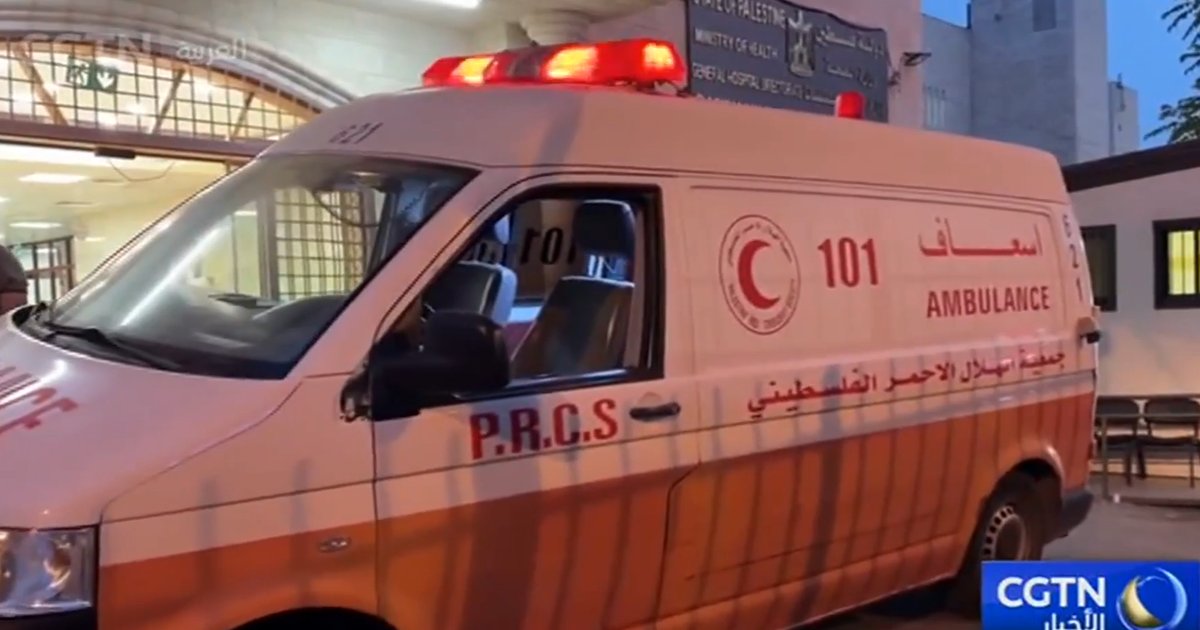
A Palestinian was killed this morning by Israeli forces at the entrance of the Qalandia refugee camp, located north of occupied Jerusalem, according to the Palestinian news agency "Wafa." The victim, identified as Mustafa As'ad Mustafa Hamad, was among a group of young men who came under fire from Israeli soldiers, resulting in fatal injuries.
The incident occurred early this morning when Israeli forces opened fire indiscriminately on a group of young men at the camp's entrance, injuring three of them with varying degrees of wounds. Local sources also reported that one of the injured was arrested by Israeli forces while being transported to the hospital.
Details of the Incident
Reports indicate that Israeli forces were conducting searches in the area when they fired at the young men present at the entrance. This incident comes at a time when the camp is experiencing increasing tension, with clashes between Palestinians and Israeli forces occurring frequently in recent times.
The Qalandia area is considered one of the most tense regions in the West Bank, where confrontations between Palestinians and Israeli forces occur regularly. These clashes have resulted in numerous casualties, further intensifying the atmosphere of unrest in the area.
Background & Context
Historically, the occupied Palestinian territories have witnessed many similar incidents, with an increase in killings and arrests by Israeli forces. Since the beginning of this year, the number of Palestinian martyrs has risen significantly, reflecting the escalation of violence in the region.
This incident is part of a policy that has been followed by Israel for years, where excessive force is used against Palestinians in various areas, exacerbating tensions and complicating peace efforts. Human rights organizations have condemned these practices, indicating that they constitute a blatant violation of international laws.
Impact & Consequences
This incident serves as a wake-up call for the international community regarding the deteriorating situation in the Palestinian territories. With the increasing number of casualties, pressure is mounting on the Israeli government to change its policy towards Palestinians. Additionally, such incidents could lead to an escalation of violence in the region, threatening security and stability in the Middle East.
The killing of Palestinians by Israeli forces may also affect relations between Israel and Arab countries, as calls for international intervention to protect Palestinians are growing. Recently, some Arab countries have engaged in diplomatic efforts to pressure Israel to cease its violations.
Regional Significance
The events in the Palestinian territories have a significant impact on the situation in the Arab region. As violence escalates, fears of a new uprising increase, which could affect stability in neighboring countries. These events also bring to mind the Palestinian cause, which continues to occupy a significant place in the interest of the Arab world.
In conclusion, the situation in the Palestinian territories remains complex, with rising tensions and ongoing violations. The killing of Mustafa Hamad is yet another reminder of the continuous violence faced by Palestinians, necessitating urgent international action to protect their rights.