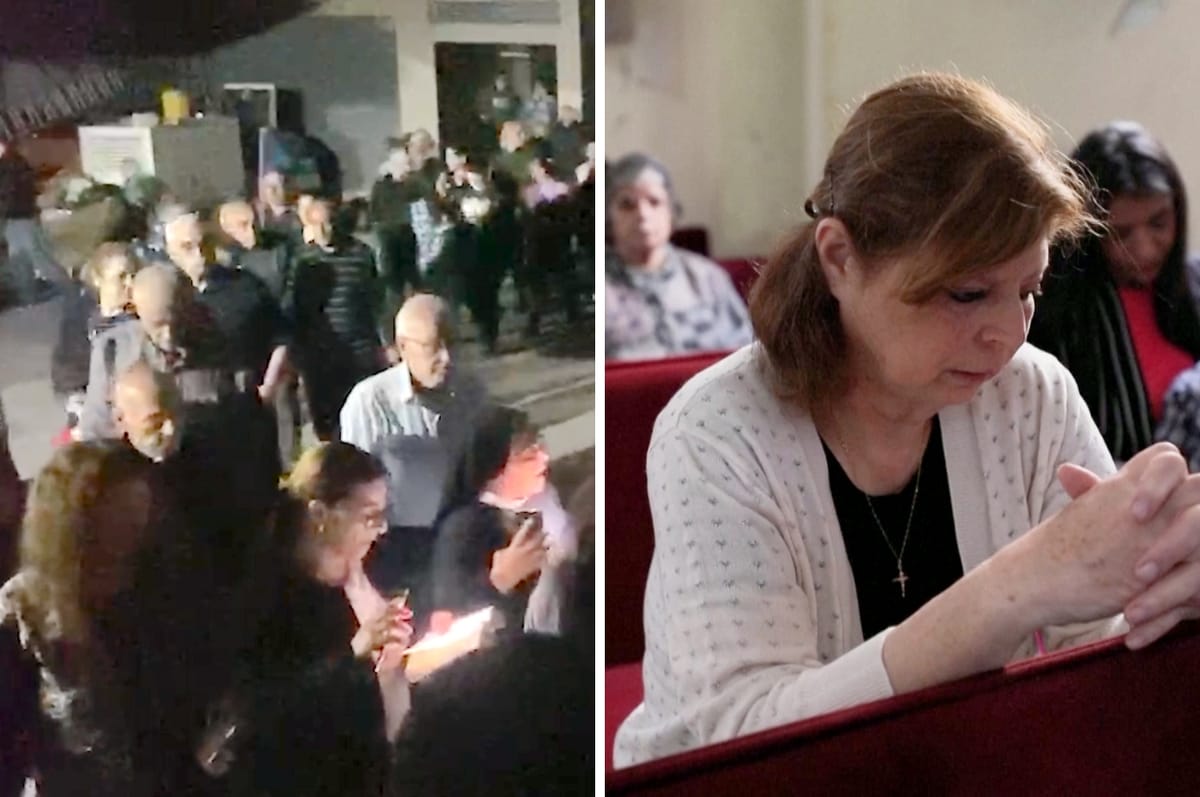
The Israeli occupation has deprived Palestinian Christians of celebrating Easter, as many have been prevented from praying at the Church of the Holy Sepulchre. Despite the imposed restrictions, hope still lingers for them to achieve freedom and the dawn of a new day.
The Church of the Holy Sepulchre in Jerusalem is considered one of the holiest Christian sites, believed to be where Christ resurrected. However, the Israeli occupation has imposed strict restrictions on Palestinians' access to the city, significantly impacting their religious celebrations.
Details of the Event
This year, Easter in Palestine was marked by a somber atmosphere, as many Palestinians were barred from reaching the Church of the Holy Sepulchre. Numerous citizens pointed out that the restrictions imposed on them make it difficult to practice their religious rituals freely. Additionally, military checkpoints and security points have exacerbated their suffering, making the celebration of Easter feel like an event surrounded by constraints.
Despite these challenging circumstances, Palestinian Christians have not lost hope. They organized small prayers and celebrations in their homes and elsewhere, affirming their deep faith and desire for freedom. Many expressed feelings of sadness and grief over their inability to celebrate in their sacred place.
Background & Context
Historically, Palestine has suffered from Israeli occupation since **1967**, affecting all aspects of life, including the right to practice religious rituals. Recent years have seen a rise in tensions between Palestinians and Israelis, especially in Jerusalem, which is considered a significant religious and cultural center for both Muslims and Christians.
Easter is an important religious occasion for Christians, celebrating the resurrection of Christ. However, the restrictions imposed on Palestinians have made it difficult for them to celebrate freely. Churches in Palestine have witnessed a decline in attendance due to these restrictions, threatening the survival of Christian communities in the region.
Impact & Consequences
The impact of the occupation on Palestinian Christians extends beyond the restrictions on celebrations; it also affects their daily lives. Many face difficulties in accessing education and healthcare, in addition to the economic challenges they endure. These conditions may lead to a decline in the number of Christians in Palestine, threatening the cultural and religious diversity in the region.
Furthermore, the restrictions on freedom of worship may exacerbate tensions between different communities in Palestine. This could lead to further division and conflicts, hindering peace and stability efforts in the area.
Regional Significance
The issue of Palestine is one of the central issues in the Arab world, evoking feelings of solidarity and support from many Arab nations. The suffering of Palestinian Christians during Easter highlights the challenges faced by all Palestinians, whether Muslim or Christian.
The continuation of the occupation and restrictions on freedom of worship may affect relations between Arab countries and Israel, potentially escalating tensions in the region. Supporting the rights of Palestinians to practice their religious rituals could positively impact peace efforts in the area.
In conclusion, hope remains in the hearts of Palestinian Christians, despite the restrictions they face. Their faith and desire for freedom may contribute to achieving positive change in the future, making it essential to support their rights and help them regain their right to celebrate freely.