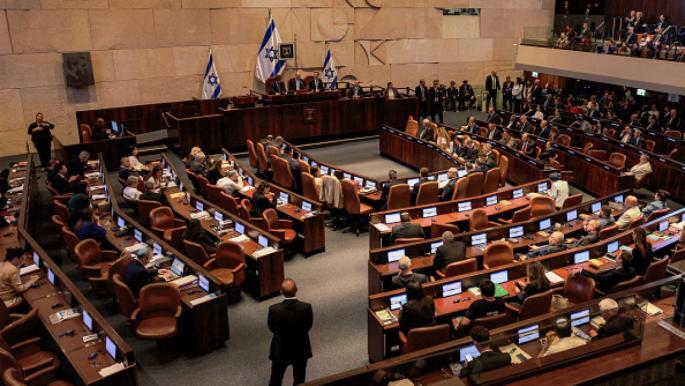
The Palestinian presidency and various ministries condemned the Israeli Knesset's law permitting the execution of Palestinian prisoners, which was passed on Monday evening, deeming it a blatant violation of international law and a war crime. This decision comes at a sensitive time when the Palestinian people are suffering from increasing human rights violations, heightening tensions in the region.
The law, which was voted on with a majority in the Knesset, allows for the execution of Palestinian prisoners convicted of murder, provoking angry reactions from various Palestinian and international parties. The Palestinian presidency stated that this law contradicts international laws that prohibit the death penalty in cases of armed conflict.
Details of the Event
In a special session, the Israeli Knesset voted on the law allowing the execution of prisoners, sparking a wave of condemnation within Palestinian circles. A spokesperson for the Palestinian presidency stated that this law represents a serious escalation in the occupation's policy towards prisoners and reflects Israel's intention to intensify repression against Palestinians.
The Palestinian Ministry of Prisoners and Released Prisoners confirmed that this law contradicts international treaties that protect the rights of prisoners, indicating that the implementation of the death penalty will increase the suffering of prisoners and their families, reflecting Israel's policy of field executions.
Background & Context
Historically, the Palestinian issue has witnessed numerous human rights violations, with Palestinian prisoners subjected to harsh conditions inside Israeli prisons. The rate of arrests has escalated since the beginning of the Second Intifada in 2000, leading to an increase in the number of prisoners in Israeli jails.
In recent years, international calls to abolish the death penalty have intensified, as many countries consider it a crime against humanity. However, Israel continues to implement this penalty, raising significant concerns within the international community.
Impact & Consequences
The approval of the law allowing the execution of prisoners could lead to heightened tensions between Palestinians and Israelis, exacerbating the ongoing conflict. Additionally, this law may open the door to further violations against prisoners, intensifying the state of unrest within Palestinian society.
On the international front, the Israeli Knesset may face widespread criticism from human rights organizations and countries advocating for the respect of human rights. This could lead to increased pressure on the Israeli government to retract this law.
Regional Significance
This law not only affects Palestinians but also reflects on the overall situation in the Arab region. The tensions between Palestinians and Israelis have direct implications for relations between Arab states and Israel, potentially escalating political stances in the region.
Moreover, this law may provoke strong reactions from Arab countries, which might express their support for the Palestinian cause and call on the international community to intervene to halt Israeli violations.
In conclusion, the law allowing the execution of prisoners represents a dangerous step in the trajectory of the Israeli-Palestinian conflict, reflecting an escalation in the occupation's policy towards Palestinians. The current situation requires urgent international action to protect the rights of prisoners and ensure compliance with international laws.