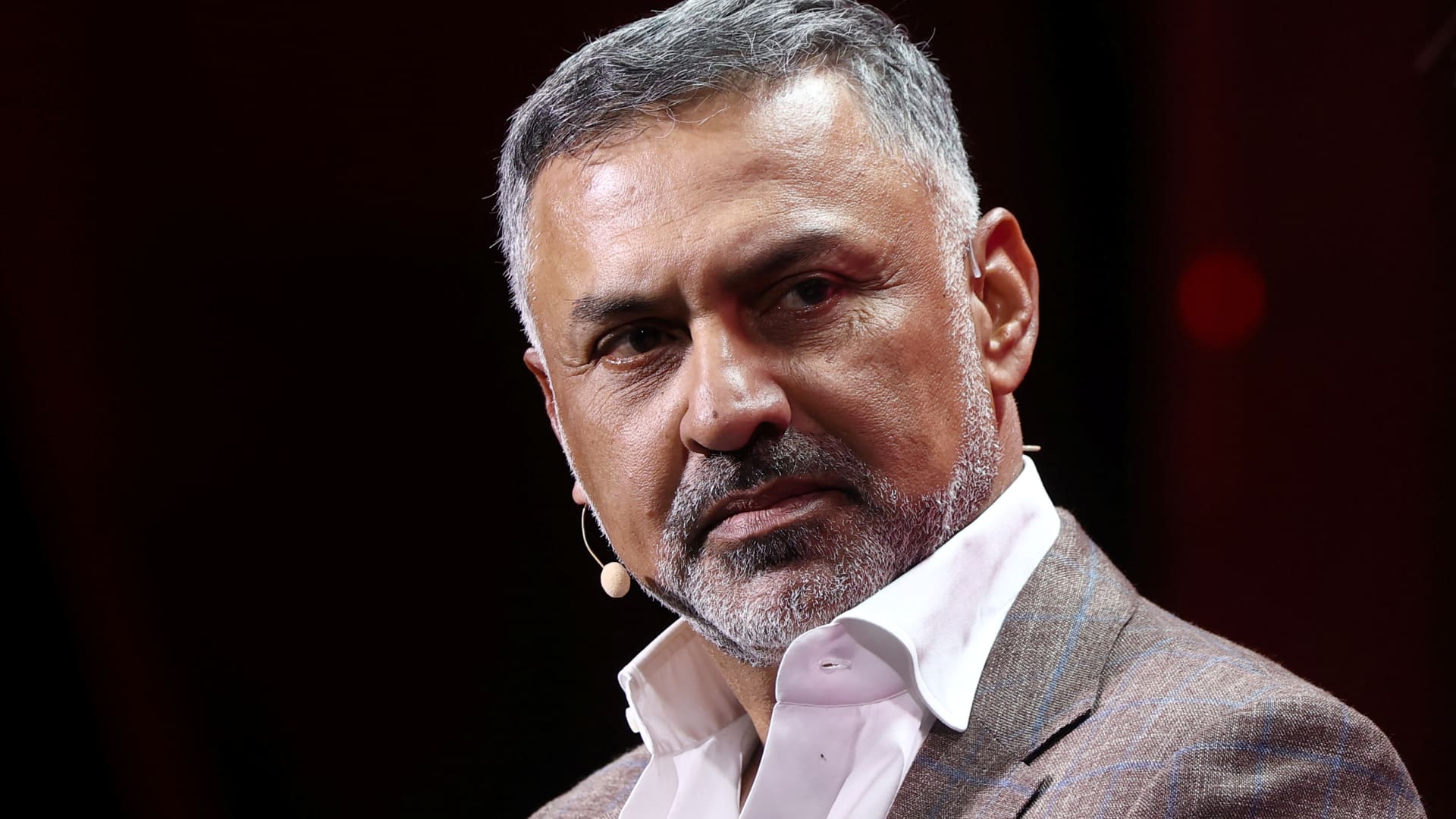
In a move reflecting confidence in the future of Palo Alto Networks, CEO Nikesh Aurora announced the purchase of 68,085 shares of the company, marking the first time he has done so since November 2019. The transaction, disclosed in an official filing with the U.S. Securities and Exchange Commission, was valued at approximately $10 million. This announcement led to a 6% increase in the company's stock, providing hope for investors in the cybersecurity sector, which has been under significant pressure.
Despite this rise, Palo Alto's shares have seen a 15% decline since the beginning of the year, reflecting growing concerns about the impact of artificial intelligence on traditional business models in this sector. Many believe that new AI tools could lead to a radical change in how cybersecurity companies operate, raising investor anxiety.
Details of the Transaction
This transaction comes at a sensitive time, as shares of cybersecurity companies have experienced a notable downturn in recent months. Last February, Anthropic unveiled a new tool capable of scanning for code vulnerabilities, raising investor concerns about companies' abilities to protect themselves from potential attacks. Reports have also indicated that AI labs are developing more robust models that could facilitate hackers in executing their attacks, further heightening market panic.
In response to these concerns, Aurora wrote in a blog post that the current time is the most critical in the industry's history, urging companies operating in the fields of AI and cybersecurity to collaborate in addressing new challenges. He emphasized that "the stakes are high" and that "the window of opportunity is open, and we must act swiftly and collaboratively."
Background & Context
Over the past year, Aurora has bolstered the company's investments in cybersecurity, including the acquisition of the Israeli company CyberArk, which specializes in identity security, finalized in February. The company is also moving towards integrating AI into its strategies by developing new automation tools, in addition to acquiring the Chronosphere AI monitoring platform for over $3.3 billion.
These steps are part of a broader strategy aimed at strengthening Palo Alto's market position, especially amid increasing competition from companies like Okta, CrowdStrike, and Netskope, which also saw a 3% rise in their shares following Aurora's announcement.
Impact & Consequences
These developments indicate that the cybersecurity sector is facing new challenges that require rapid and effective responses. As reliance on AI increases, there may be an urgent need to rethink protection and security strategies. If concerns about AI continue to impact the market, we may witness radical changes in how companies operate in this field.
Moreover, these dynamics could affect corporate investments in the region, as investors seek to understand how technological innovations impact cybersecurity. This may lead to a reevaluation of investment strategies in startups and mid-sized companies within this sector.
Regional Significance
In the Arab region, where digital security challenges are on the rise, these developments may hold particular significance. With increasing reliance on technology and AI across various sectors, Arab companies must be prepared to face new challenges that may arise from these innovations.
Furthermore, collaboration among Arab companies in the fields of cybersecurity and AI may be essential to enhance their capabilities in addressing growing threats. Under these circumstances, there could be significant opportunities for growth and development in this vital sector.