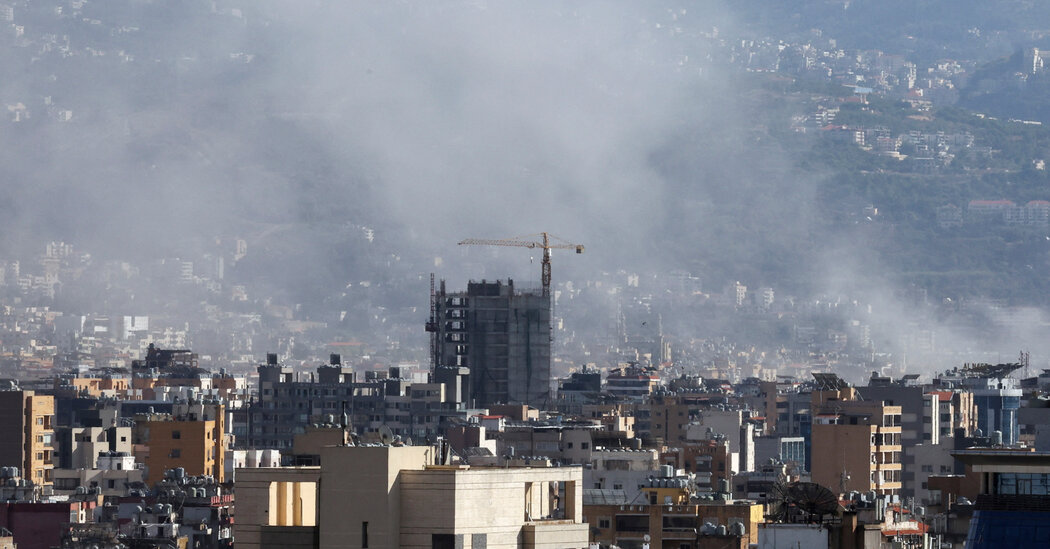
A paramedic belonging to the Health Authority of Hezbollah, along with an injured person he was transporting, was killed in an Israeli airstrike targeting an ambulance in southern Lebanon on Sunday. This incident comes at a sensitive time as tensions between Lebanon and Israel have increased, raising concerns about the humanitarian situation in the region.
In an official statement, the Health Authority of Hezbollah confirmed that the airstrike deliberately targeted the ambulance, resulting in the death of the paramedic and injury to the patient. Meanwhile, the Israeli military renewed its threats to target ambulances and medical facilities in Lebanon, claiming that Hezbollah uses these vehicles for military purposes, a claim that the party strongly denies.
Details of the Incident
The Israeli attack follows a day after the killing of nine paramedics in similar strikes, highlighting the dangers faced by medical teams in conflict zones. The recent airstrike represents an escalation in Israeli attacks on Lebanon, which have notably increased in recent times.
Ambulances and medical facilities are considered protected targets under international law, but Israel justifies its attacks by stating that Hezbollah uses these facilities as cover for its military activities. This justification raises widespread debate about military ethics and humanitarian obligations in armed conflicts.
Background & Context
The Lebanese-Israeli border has witnessed increasing tensions for several months, with both armed forces exchanging shelling and threats. Hezbollah, which is considered one of the prominent armed factions in Lebanon, accuses Israel of violating Lebanon's sovereignty and targeting civilians.
Historically, the region has seen numerous armed conflicts, with Israeli airstrikes being part of its military strategy against Hezbollah. This strategy raises concerns within the international community, which calls for the necessity of protecting civilians and humanitarian facilities in conflict areas.
Impact & Consequences
Attacks on ambulances and medical facilities could exacerbate the humanitarian situation in Lebanon, where the population is suffering from economic and political crises. The death of the paramedic and the injury of the patient adds to the suffering of affected families and reflects the deteriorating state of the health sector in the country.
Moreover, these incidents could lead to greater escalation in the conflict, threatening stability across the entire region. The international community is urged to take action to protect civilians and ensure that such violations do not recur.
Regional Significance
These incidents are part of the larger picture of the Arab-Israeli conflict, with Lebanon remaining central to this dispute. The killing of paramedics reflects the challenges faced by medical teams in conflict zones and increases the pressure on Arab governments to intervene to protect civilians.
As tensions rise, Arab countries must work to promote dialogue and pressure the parties involved to de-escalate and ensure the safety of civilians. The continuation of these attacks could lead to serious repercussions for security and stability across the entire region.