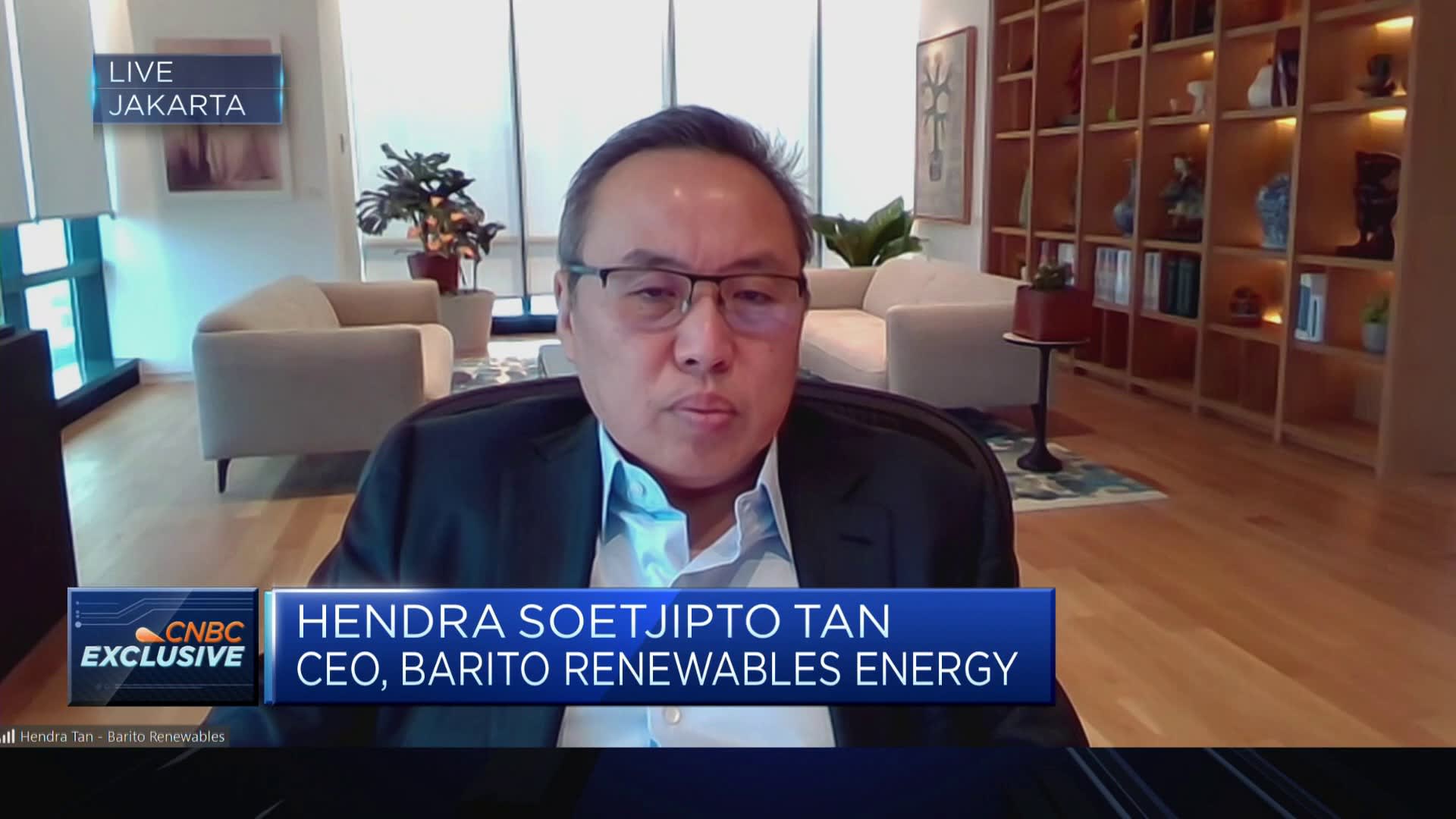
Shares of Pareto Renewable Energy (PT Barito Renewables Energy) dropped on Monday to their lowest levels in more than two years, as their value declined after the Indonesian stock market indicated a highly concentrated shareholder base. This downturn reflects increasing fears regarding the company's stability and financial performance, raising concerns among investors and market analysts.
These developments come at a sensitive time for Pareto, which is striving to enhance its presence in the renewable energy sector. Analysts have noted that a high concentration of shareholders can lead to significant price volatility, increasing the risks associated with investing in the company. This situation may hinder its efforts to attract new investors.
Details of the Event
On Monday, Pareto Energy shares recorded a notable decline, falling by as much as 15%, leading to a significant drop in its market value. The Indonesian stock market indicated that the company suffers from a high concentration of stock ownership, meaning that a few shareholders hold a large portion of the shares. This situation raises concerns about the company's stability and its ability to face future challenges.
Pareto Energy is considered one of the leading companies in the renewable energy sector in Indonesia, aiming to expand its projects in this vital sector. However, current challenges may affect its expansion plans, raising questions about its future strategies.
Background & Context
Pareto Energy was established in 2018, with the goal of promoting the use of renewable energy sources in Indonesia. With the growing global interest in clean energy, the company hoped to capitalize on this trend. However, the high concentration of shareholders may impede its ability to achieve its goals.
Indonesia is one of the largest energy markets in Southeast Asia, with the government seeking to promote the use of renewable energy and reduce dependence on fossil fuels. However, the challenges faced by companies like Pareto may impact the government's efforts to achieve its environmental objectives.
Impact & Consequences
These developments could have negative repercussions on the Indonesian market as a whole. Fluctuations in stock prices may affect investor confidence in the market, potentially leading to a decline in investments in the renewable energy sector. Additionally, the high concentration of shareholders may raise concerns about transparency and management within the company.
Furthermore, the decline in Pareto's shares could affect other companies in the same sector, as investors may hesitate to invest in renewable energy companies due to concerns related to financial stability. This situation could hinder sustainable growth in the sector in Indonesia.
Regional Significance
Renewable energy is also a vital issue in the Arab region, as many countries seek to enhance the use of clean energy sources. Developments in Indonesia may influence investment strategies in renewable energy in Arab countries, as investors can learn from Indonesian experiences in dealing with challenges related to shareholder concentration.
In light of the global shift towards clean energy, it is crucial for Arab countries to adopt effective strategies to boost their investments in this sector, while considering the potential risks they may face.