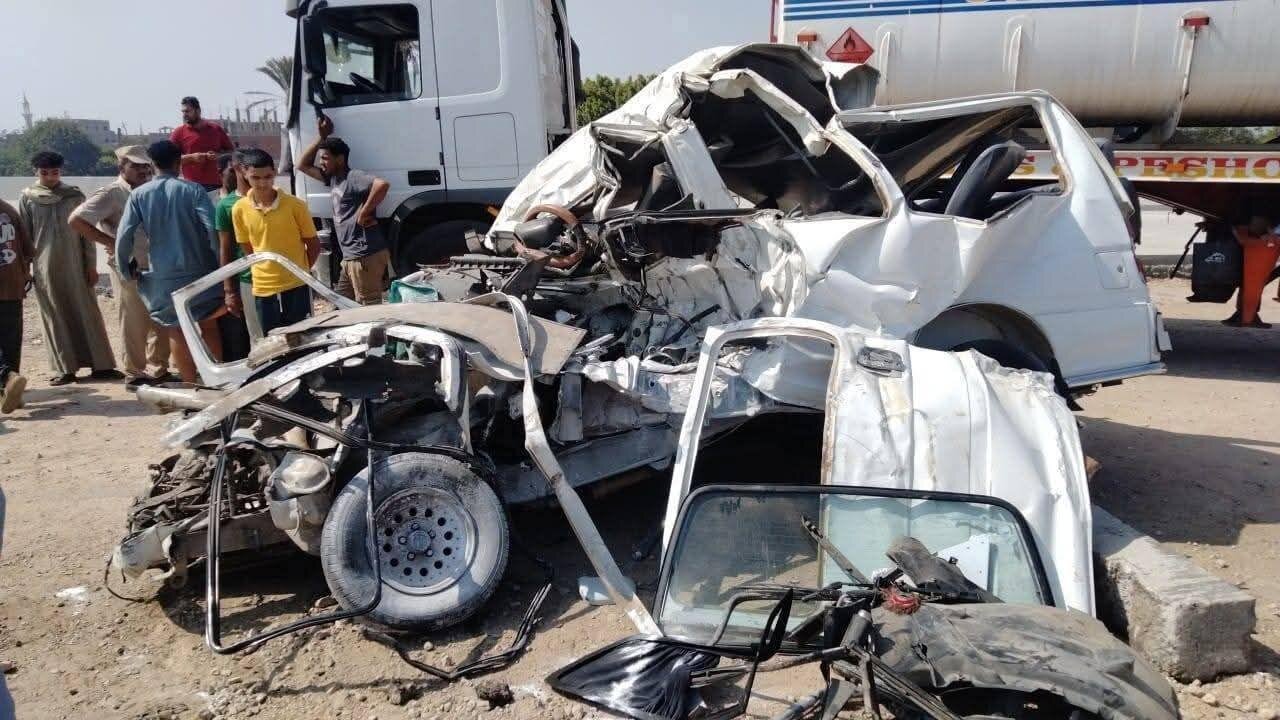
In an urgent move following the tragic incident that occurred in the Sadat-Kafr Dawood area, which resulted in the death and injury of several citizens, a member of the Egyptian parliament announced that the Ministry of Transport bears responsibility for the lack of road development. The incident, which has sparked widespread outrage among citizens, serves as a wake-up call to assess the current state of the country's road infrastructure.
The accident occurred as a result of a collision between several vehicles, leading to serious injuries and the death of a number of individuals. The parliament member pointed out that the accident could have been avoided if there had been sufficient investments in the development and maintenance of roads, reflecting the ongoing neglect in this vital sector.
Details of the Incident
The accident took place early on Tuesday morning, when several vehicles collided on the highway leading to Kafr Dawood. Ambulances rushed to the scene to transport the injured to nearby hospitals. The incident has triggered a wave of anger among citizens, who expressed their dissatisfaction with the recurrence of such accidents due to the inefficiency of the roads.
In his statements, the parliament member emphasized that the government must take responsibility for the safety of its citizens, stressing the need for a thorough investigation into the incident. He also called for a review of road development plans and the allocation of sufficient budgets to improve infrastructure.
Background & Context
Road accidents are a pressing issue in Egypt, where the country records high numbers of traffic incidents. According to official statistics, Egypt witnesses more than 10,000 traffic accidents annually, raising concerns about road safety and traffic management efficiency. The government has faced numerous criticisms for failing to take effective measures to reduce these accidents.
Historically, there have been attempts to improve the road network in Egypt; however, many projects have either been incomplete or faced significant delays. This situation has exacerbated the problem, making accidents more common.
Impact & Consequences
The repercussions of the recent accident may increase pressure on the Egyptian government to expedite road development plans. A swift response from the Ministry of Transport may be required, as recurring accidents can affect the government's reputation and its ability to provide a safe environment for citizens.
Moreover, the incident may open the door for broader discussions on traffic safety issues in parliament, potentially leading to new legislation aimed at improving road safety and reducing accidents.
Regional Significance
Road accidents are a common issue in many Arab countries, where numerous nations face similar challenges in traffic safety. Improving road infrastructure and strictly enforcing traffic laws can contribute to reducing accidents in the region.
Furthermore, Egypt's experience in addressing this issue could serve as a model for other countries in the region, enhancing regional cooperation in improving traffic safety.
In conclusion, the recent incident in Sadat-Kafr Dawood requires an immediate response from the Egyptian government, as improving and developing roads is not only a necessity but also a right for citizens to have a safe environment.