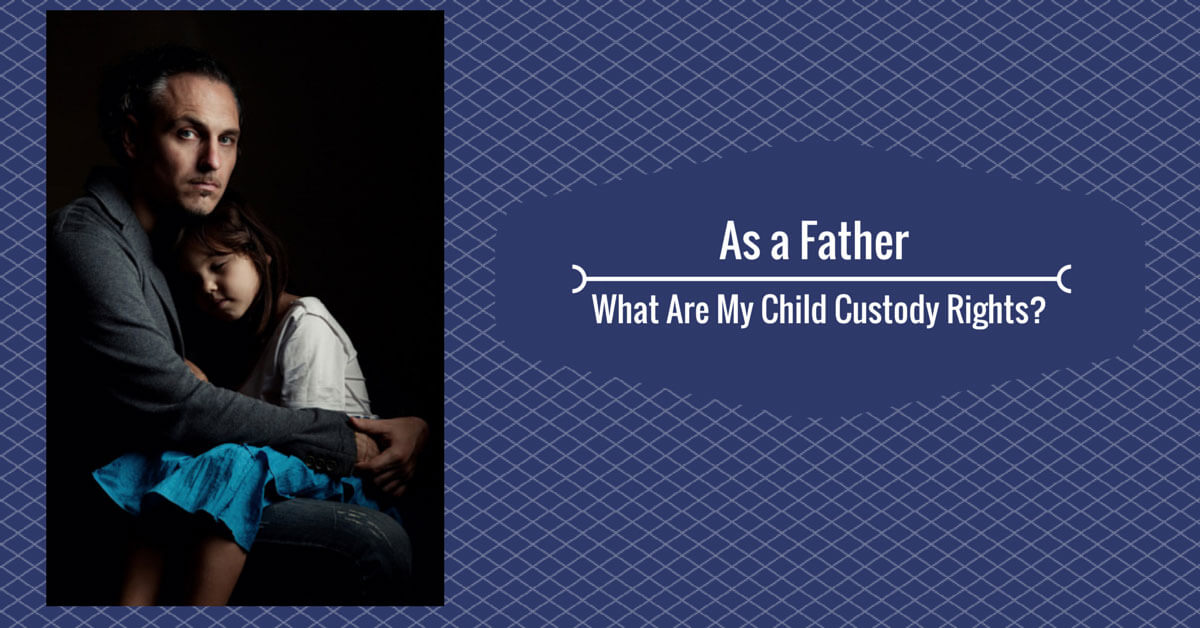
An Egyptian parliament member expressed discontent over the father's ranking as 16th in custody arrangements, calling it a clear injustice. This statement comes amid growing discussions on fatherhood rights in custody cases, where many observers believe this ranking reflects discrimination against fathers within the legal system.
Fears are rising among fathers that current laws do not grant them sufficient rights regarding the custody of their children, raising questions about fairness and equality in treatment. The parliament member pointed out that this ranking reinforces the idea that mothers are the only ones capable of raising children, placing fathers in a weak position.
Details of the Event
In remarks made during a parliamentary session, the representative indicated that ranking fathers as 16th in custody arrangements is an insult to fatherhood and that the laws regarding custody need to be reconsidered. He emphasized that this classification does not reflect reality, as many fathers are capable of providing good care for their children.
The parliament member also called for the necessity of amending the laws to be more equitable, stressing the importance of having a legal system that guarantees fathers' rights in custody. He confirmed that this issue affects many Egyptian families, as numerous fathers struggle to obtain their rights regarding the custody of their children.
Background & Context
Historically, custody issues in Egypt have sparked widespread controversy, with laws often leaning in favor of mothers. This has led many fathers to feel unjustly treated and excluded. In recent years, some voices have begun to rise advocating for changes to these laws, but progress remains slow.
Custody issues are part of a broader discussion about the rights of women and men in Egyptian society, where many activists seek to achieve a greater balance between parental rights. However, legal and social challenges persist, making it difficult to achieve rapid progress in this area.
Impact & Consequences
These statements could raise awareness about fatherhood rights issues and may prompt some parliamentarians to reconsider current laws. They could also lead to the formation of lobbying groups advocating for legal amendments in favor of fathers.
If these discussions continue, we may witness legal changes affecting how custody issues are handled in Egypt. This could contribute to improving fathers' positions within the legal system, positively impacting the lives of Egyptian families.
Regional Significance
Custody issues and fatherhood rights are sensitive topics in many Arab countries, where legal systems face similar challenges. These discussions in Egypt may have positive repercussions in other countries, inspiring fathers in various nations to demand their rights.
Strengthening fatherhood rights in custody cases can contribute to building a more balanced and just society, which will reflect on family relationships in general. Amid the social changes occurring in the region, this issue could serve as a starting point for broader changes in family-related laws.