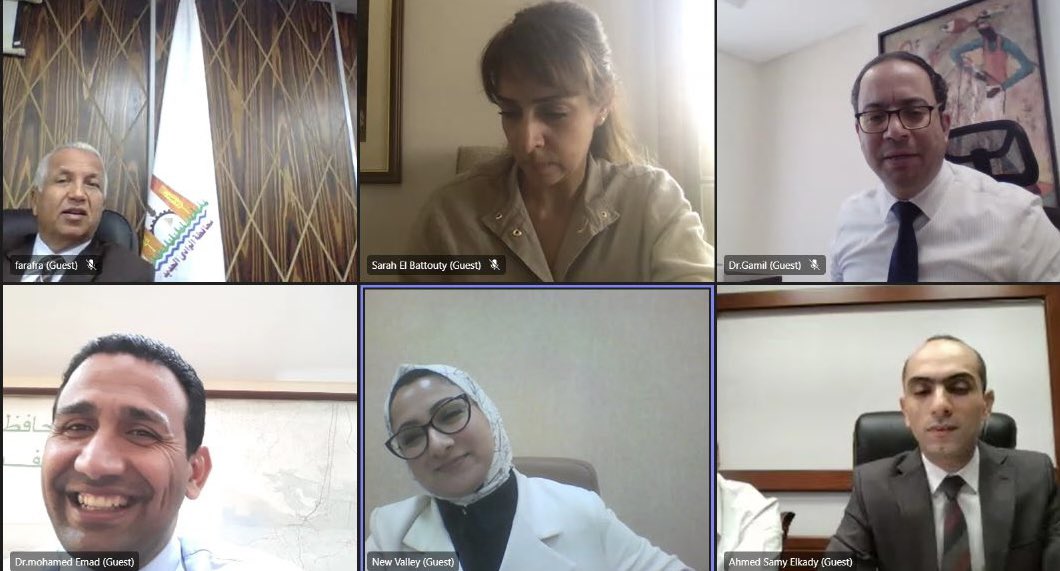
The Deputy Governor of Sharqia participated via video conference in a meeting of the central unit of the 'Decent Life' initiative, where efforts to improve living standards in the most needy villages and areas were reviewed. This participation is part of government efforts to enhance sustainable development and achieve social justice.
The 'Decent Life' initiative, launched by the Egyptian president, aims to improve the quality of life in over 4,500 villages by providing essential services such as water, electricity, health, and education. A substantial budget has been allocated to support this initiative, reflecting the Egyptian government's commitment to achieving comprehensive development.
Event Details
During the meeting, progress made in implementing various projects under the initiative was discussed, with detailed reports presented on completed projects and those still underway. The importance of cooperation between different governmental and local entities was emphasized to ensure the initiative's success and achieve its goals.
The challenges facing the implementation of the initiative were also reviewed, including the need for more funding and coordination among various entities. The Deputy Governor highlighted the importance of involving the local community in the implementation process to ensure the sustainability of projects.
Background & Context
The 'Decent Life' initiative is part of Egypt's Vision 2030 for sustainable development, which aims to achieve economic, social, and environmental development. Launched in 2019, the initiative has since made significant progress in improving living conditions for millions of citizens.
This initiative is considered one of the largest development programs in Egypt's history, aiming to address developmental gaps between urban and rural areas. Studies have shown that improving quality of life in villages can significantly contribute to enhancing social and economic stability.
Impact & Consequences
The 'Decent Life' initiative is an important step towards achieving sustainable development in Egypt, contributing to improving living standards and providing job opportunities. This initiative also reflects the Egyptian government's commitment to achieving social justice and reducing developmental gaps.
It is expected that this initiative will lead to improvements in essential services such as education and health, positively impacting citizens' lives. Additionally, improving living conditions in villages can help reduce migration to major cities, aiding in achieving balance between different regions.
Regional Significance
The 'Decent Life' experience serves as a model for the Arab region, where many countries face similar challenges in achieving sustainable development. Other countries can benefit from Egypt's experiences in improving quality of life and enhancing local development.
The success of this initiative can also contribute to enhancing social and economic stability in the region, helping to address the economic and social challenges faced by many Arab countries.
In conclusion, the 'Decent Life' initiative is a strategic step towards achieving sustainable development in Egypt, reflecting the government's commitment to improving citizens' quality of life. The success of this initiative could have positive regional impacts, enhancing cooperation and development in the area.