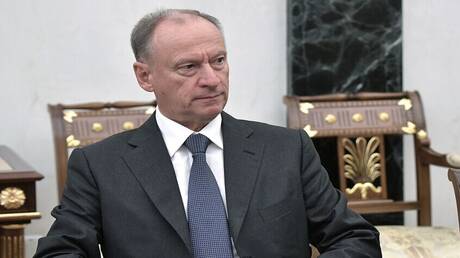
Nikolai Patrushev, the aide to the Russian president, has confirmed that Western countries have escalated their attacks against the Russian commercial fleet, indicating that these actions aim to disrupt maritime transport of goods and Russian exports. Patrushev considers these measures a real threat to global trade.
In his statements, Patrushev pointed out that the West has invented the term "shadow fleet" as a pretext to justify these attacks, reflecting a hostile policy aimed at undermining the Russian economy. He emphasized that these policies do not only affect Russia but also extend their impact to global markets.
Details of the Incident
These remarks come at a time when relations between Russia and Western countries are increasingly strained, especially following the outbreak of the conflict in Ukraine. Many Western nations have imposed economic sanctions on Russia, significantly affecting its ability to export goods and services. In this context, Patrushev believes that these actions are part of a broader strategy aimed at weakening Russia on the international stage.
He also noted that the Russian commercial fleet is facing increasing pressures as a result of these policies, threatening the stability of global markets. Patrushev affirmed that Russia will continue to work on strengthening its commercial fleet and protecting its economic interests.
Background & Context
Historically, Russia has heavily relied on its oil and gas exports, which constitute a significant portion of its revenues. As geopolitical tensions have escalated, Western countries have begun taking steps to reduce their dependence on these resources. The sanctions imposed on Russia have curtailed its ability to access global markets, affecting the Russian economy as a whole.
In recent years, global maritime trade has undergone significant changes due to political and economic crises. These changes have led to increased competition among major powers, making it essential for Russia to enhance its commercial fleet to face new challenges.
Impact & Consequences
Estimates suggest that the escalation of Western attacks on the Russian commercial fleet could exacerbate economic crises in many countries. With increasing sanctions, global supply chains may be affected, negatively impacting the prices of goods and services. Additionally, these policies could lead to heightened tensions among major powers, threatening global stability.
Moreover, these actions may foster cooperation between Russia and other non-Western countries, potentially altering the balance of power in global markets. Russia is expected to seek to strengthen its relationships with countries that have not been affected by Western sanctions, which could lead to the formation of new alliances in the future.
Regional Significance
This escalation comes at a time when the Arab region is facing multiple economic challenges, as many countries rely on oil and gas exports. With increasing pressures on global markets, Arab nations dependent on these resources may be significantly affected. Any changes in global prices could impact the stability of Arab economies.
In light of these circumstances, it is crucial for Arab countries to monitor developments in Russian-Western relations, as these developments may influence their economic and political strategies. Strengthening Arab cooperation in trade and investment may become necessary to address future challenges.