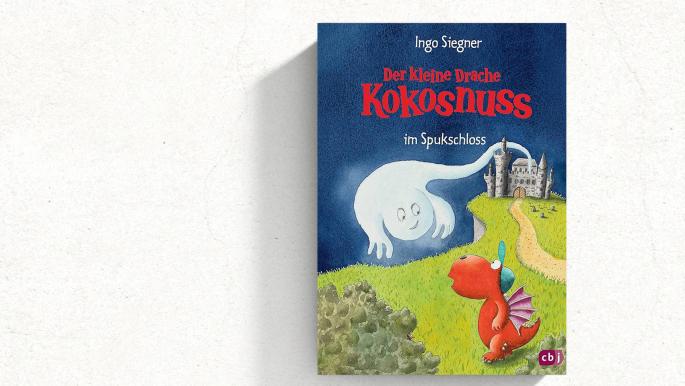
Penguin Publishing has filed a lawsuit against OpenAI in a Munich court, accusing the company of using its artificial intelligence technology to infringe on the intellectual property rights of the 'Little Dragon Kokosnuss' book series by author Ingo Siegner.
This move comes at a time when the debate surrounding the use of artificial intelligence in various fields, including literature and the arts, is intensifying. Penguin Publishing aims to protect the rights of its authors and its literary content from unauthorized use.
Details of the Lawsuit
Penguin claims that OpenAI used texts from the 'Little Dragon Kokosnuss' series without permission, which constitutes a violation of copyright. The lawsuit has been filed in the Munich court, where the publishing house is seeking damages for the harm caused by this unlawful use.
The 'Little Dragon Kokosnuss' series is one of the well-known literary works that has achieved significant success in European markets, which adds to the importance of the case in the context of intellectual property rights.
Background & Context
Concerns are growing regarding the use of artificial intelligence in producing literary and artistic content, as many believe that this technology could negatively impact authors' rights. In recent years, there have been numerous legal cases related to copyright in the age of modern technology.
With rapid developments in the field of artificial intelligence, many publishers and authors are seeking to establish a legal framework that protects their rights. This case serves as an example of the challenges faced by cultural industries in the face of technological innovations.
Impact & Consequences
If Penguin succeeds in its case, this legal precedent could change how technology companies handle intellectual property rights. It may also prompt other companies to reassess their strategies regarding the use of literary and artistic content.
This case is likely to influence how the use of artificial intelligence is regulated in the future, opening the door for further discussion about authors' rights in the technological era.
Regional Significance
This case holds particular importance for the Arab region, where the use of artificial intelligence is increasing in various fields. It may inspire Arab publishers and authors to protect their rights in a world moving towards digitization.
Moreover, the discussion surrounding intellectual property rights in the context of modern technology could have positive effects on cultural industries in the Arab world, enhancing opportunities for innovation and creativity.
This case highlights the importance of protecting intellectual property rights in the age of artificial intelligence, shedding light on the challenges faced by cultural industries in the face of rapid technological developments.