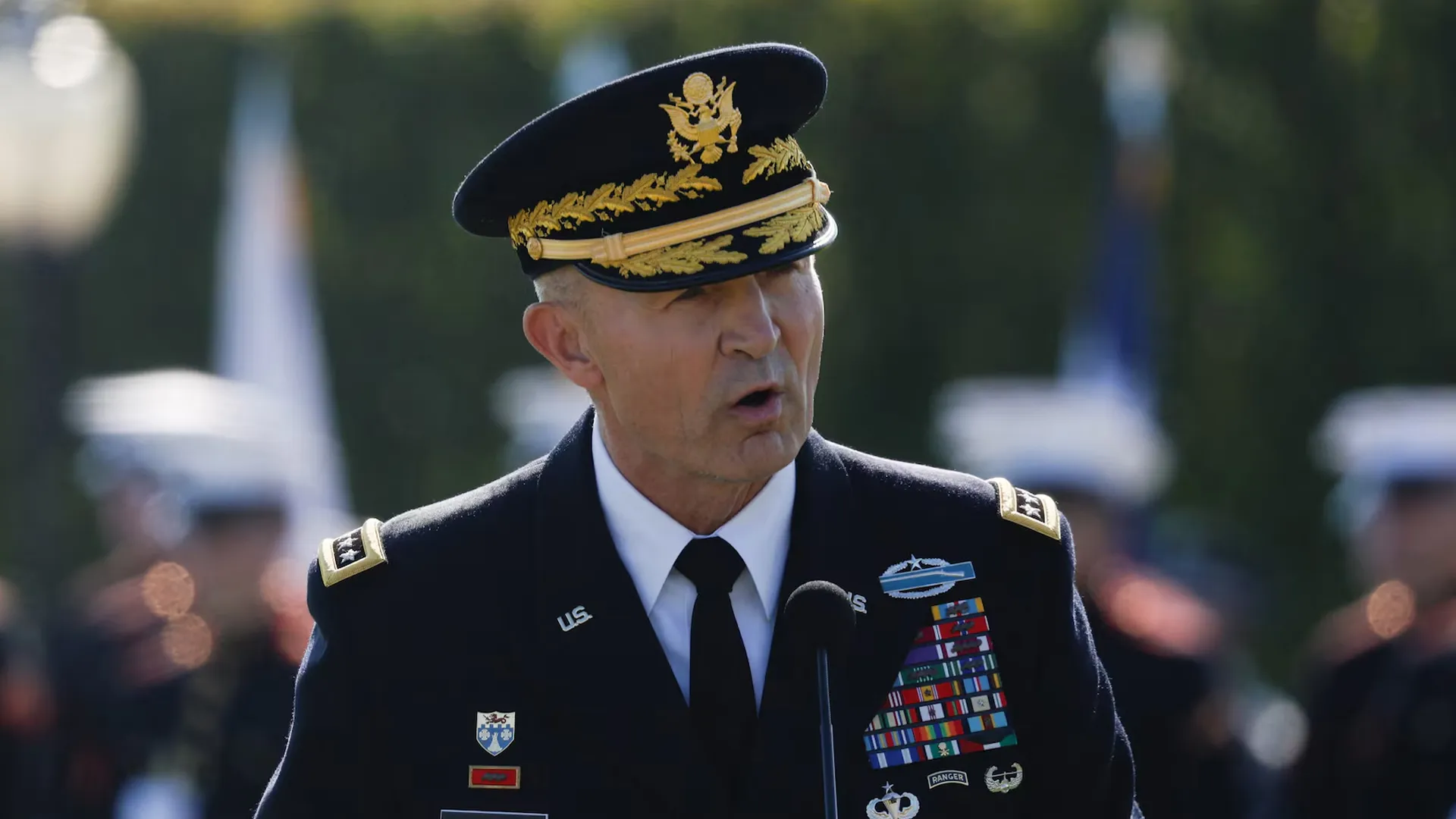
The United States Department of Defense (Pentagon) has announced the immediate retirement of General Randy George, the Chief of Staff of the Army, in an unexpected move that raises many questions about the true reasons behind this decision. This announcement comes at a sensitive time, as military and security challenges facing the United States are increasing around the world.
General Randy George is a seasoned officer in the U.S. Armed Forces and has served as Chief of Staff of the Army since 2020. He possesses extensive experience in military leadership and strategic planning, having led numerous military operations in various conflict zones. However, his immediate retirement raises questions about whether there were internal or external factors that led to this decision.
Details of the Announcement
In a statement, Pentagon spokesperson Shawn Barnell confirmed that the decision to retire General George was made after internal consultations, but he did not disclose additional details regarding the reasons behind this decision. This change in military leadership is considered unusual, especially under current circumstances that require stability in military leadership.
It is noteworthy that General George took his position at a time when U.S. forces were facing significant challenges, including increasing tensions with Russia and China, as well as ongoing crises in the Middle East. He was viewed as a leader capable of addressing these challenges, which intensifies the questions surrounding the timing of his retirement.
Background & Context
Historically, the U.S. Department of Defense has seen changes in military leadership during times of crisis, where leaders are replaced in an attempt to renew military strategies and directions. However, General George's dismissal comes at a sensitive time, as concerns about escalating global tensions are rising.
Over the past years, U.S. ground forces have played a pivotal role in military operations, whether in Iraq, Afghanistan, or other regions. However, changes in leadership may impact U.S. strategies in dealing with these crises, raising concerns about the future of American military operations.
Impact & Consequences
The retirement of General George could have significant implications for U.S. military leadership. A change in leadership may lead to shifts in military strategies, affecting the ability of U.S. forces to address current challenges. Additionally, this decision may raise questions about the stability of military leadership within the Pentagon.
Furthermore, this change could impact military relations between the United States and its allies, as it may necessitate a reassessment of joint strategies and military cooperation. Given the current circumstances, the stability of military leadership is vital to ensure the effectiveness of U.S. military operations.
Regional Significance
The Arab region is among the areas most affected by changes in U.S. military leadership, as the United States plays a central role in many conflicts and disputes. General George's retirement may influence American strategies in the Middle East, especially amid ongoing tensions in Iraq and Syria.
This decision may also raise concerns among America's Arab allies, as it may require a reassessment of military and security relations. Given the increasing challenges, the stability of U.S. military leadership is essential to ensure security and stability in the region.
In conclusion, many questions remain regarding the true motivations behind General Randy George's retirement and its impact on U.S. military leadership and strategies in facing global challenges.