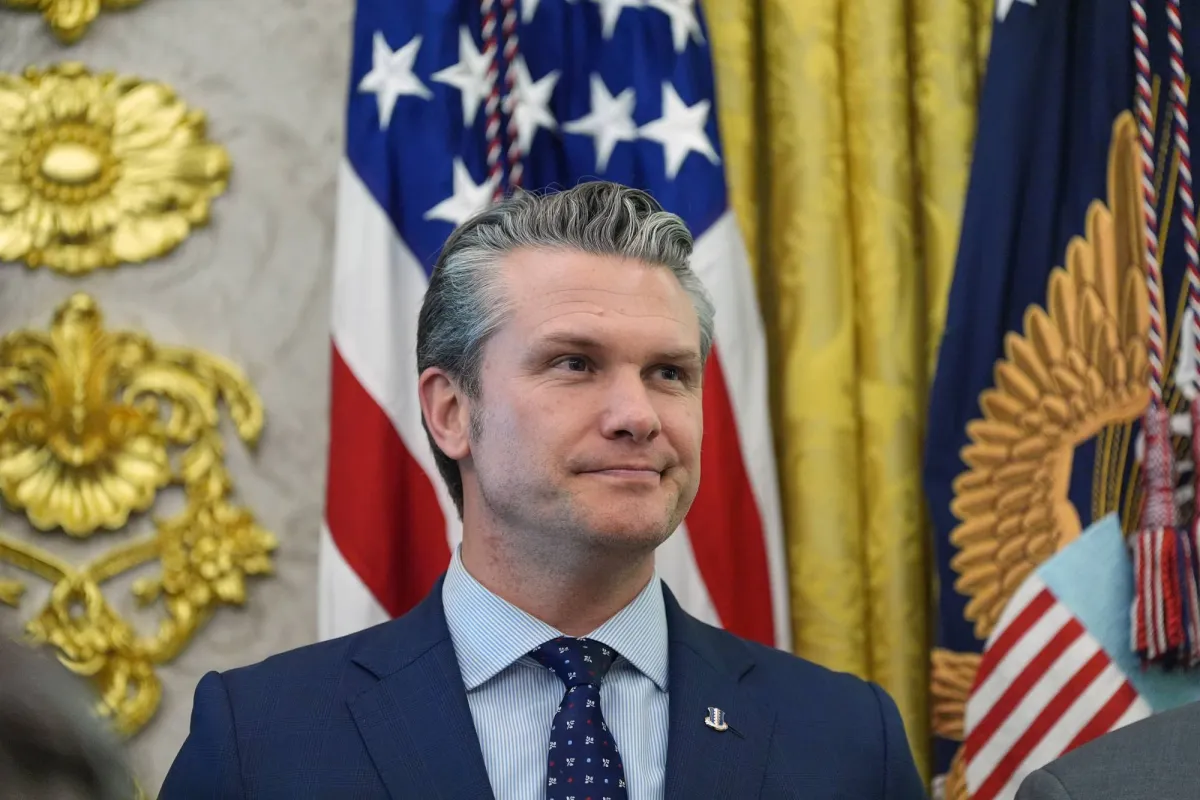
The Pentagon denied on Monday the validity of a report published by the "Financial Times," which alleged that an intermediary working for U.S. Secretary of War Pete Hegseth attempted to make a significant investment in defense companies before the U.S.-Israeli attack on Iran. The Pentagon called for the retraction of this report, emphasizing that it is 'false and completely fabricated.'
Pentagon spokesperson Sean Parnell stated, 'This claim is inaccurate,' according to a report by Reuters. The controversial report indicated that the intermediary at Morgan Stanley had contacted BlackRock in February, aiming to invest millions of dollars in an exchange-traded fund focusing on defense industries.
Details of the Incident
According to the report, this communication occurred shortly before the commencement of U.S. military operations against Iran. However, the report noted that the deal did not go through, as the fund was not yet available for Morgan Stanley clients to purchase. It remains unclear how much authority the intermediary had to make investments on behalf of the Secretary, or whether Hegseth was aware of these attempts.
While BlackRock declined to comment on the report, Morgan Stanley and the U.S. Department of Defense did not respond to Reuters' requests for comment. This report comes at a time when financial markets are under greater scrutiny regarding transactions made before significant political decisions by the U.S. administration.
Background & Context
These events coincide with rising tensions in the region, as attention turns to military and political movements in the Middle East. There have been ongoing concerns about a potential escalation between the United States and Iran, particularly following the repeated attacks witnessed in the area.
Historically, U.S.-Iranian relations have experienced significant fluctuations, with periods of intense tension followed by negotiations. As threats escalate, investment in defense companies has become a sensitive topic, especially amid fears of rising military conflicts.
Impact & Consequences
If these allegations are proven true, they could have serious repercussions for the reputation of the Pentagon and Secretary Hegseth. Additionally, they may affect investor confidence in the defense market, leading to price volatility. At the same time, this situation could raise questions about transparency in military and political decisions.
On another note, these events may lead to increased scrutiny of financial activities associated with military departments, putting additional pressure on the U.S. government to clarify its stance on these issues.
Regional Significance
These events hold particular importance for Arab countries, which are directly affected by the tensions between the United States and Iran. Any military escalation could negatively impact security and stability in the region, heightening fears of new conflicts.
Moreover, these circumstances could lead to increased divisions among Arab states, as their positions on Iran and the United States vary. Under these conditions, Arab nations must take clear stances to safeguard their interests and security.
In conclusion, developments related to investments in defense companies remain under scrutiny, as political and economic circles await further information on this matter.