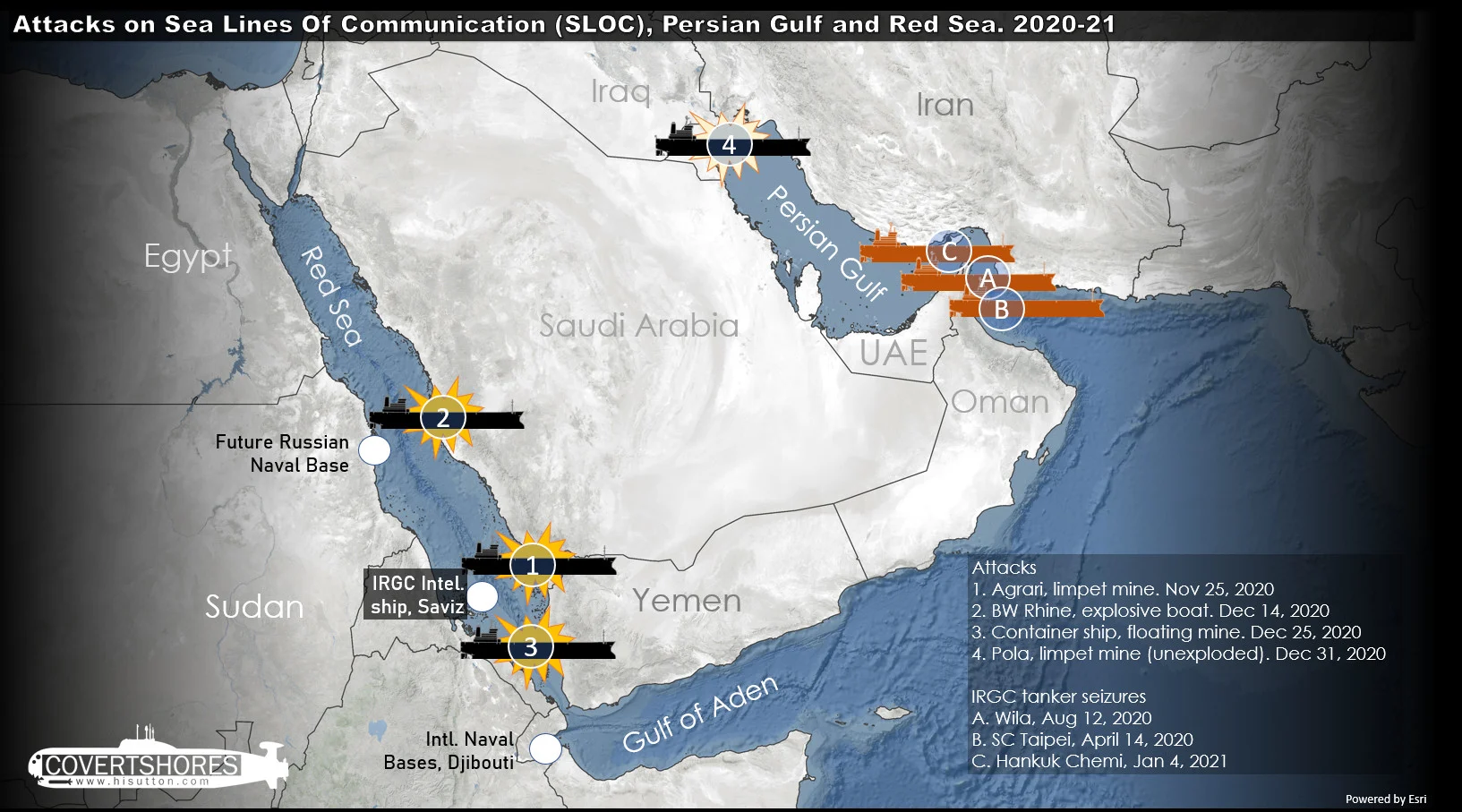
The U.S. Department of Defense (Pentagon) has recently reported that Iran has incurred economic losses estimated at around $4.8 billion due to the maritime blockade enforced by the United States and its allies. This estimate reflects the significant impact these measures have had on the Iranian economy, which is already facing multiple challenges.
Pressure on Iran is mounting due to the economic sanctions imposed on it, which include restrictions on oil and gas exports, the two main sources of revenue. The maritime blockade, aimed at reducing Iran's capacity to export these resources, has exacerbated the economic situation in the country.
Details of the Situation
These estimates come at a sensitive time, as tensions between Iran and the United States are escalating, particularly following Washington's withdrawal from the nuclear agreement in 2018. The maritime blockade is part of a broader strategy aimed at pressuring Tehran to change its behavior in the region, including its support for armed groups.
Reports indicate that the blockade has significantly affected Iran's ability to export oil, with its exports dropping to record lows. This decline in revenue negatively impacts the Iranian economy, which is already suffering from high inflation rates and rising unemployment.
Background & Context
Historically, Iran has faced numerous economic crises due to sanctions and blockades. Since the Islamic Revolution in 1979, the country has encountered recurring economic challenges, but the current maritime blockade is among the most impactful crises. The U.S. sanctions, which have intensified in recent years, have led to a deterioration in economic relations between Iran and Western countries.
Iran is considered one of the largest oil producers in the world; however, it struggles to access global markets due to sanctions. The maritime blockade complicates its efforts to regain its position in the global oil market, increasing pressure on the Iranian government.
Impact & Consequences
The economic effects of the maritime blockade are not limited to Iran; they extend throughout the entire region. Increased tensions in the Arabian Gulf could lead to rising global oil prices, affecting the economies of oil-importing countries.
Moreover, the continuation of the blockade may push Iran to take more extreme measures, including enhancing its support for armed groups in the region, which increases the likelihood of military escalation.
Regional Significance
Neighboring Arab countries are directly affected by the economic and political situations in Iran. Any military or security escalation could impact the stability of the region and raise concerns about the outbreak of new conflicts.
At the same time, the economic crises in Iran may open up new opportunities for Arab countries to strengthen their trade and economic relations with other nations, potentially contributing to greater stability in the region.
In conclusion, the situation in Iran remains under close observation, as economic estimates indicate significant challenges facing the country amid the maritime blockade. It is crucial to monitor developments closely, as their effects may extend beyond Iranian borders.