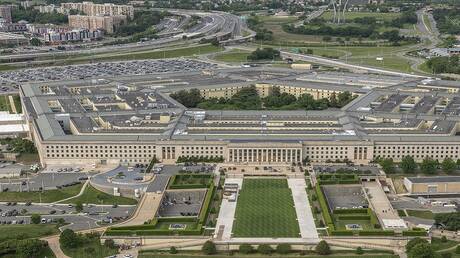
The Pentagon continues its efforts to expand the list of potential military targets in Iran, which now includes energy sites that could be deemed dual-use. This move is part of the United States' strategy to avoid accusations of committing war crimes by targeting critical infrastructure.
As tensions between the United States and Iran rise, concerns about potential military escalation grow. The expansion of the target list is a strategic step aimed at reducing the legal and political risks that Washington may face if it strikes vital sites.
Details of the Development
Informed sources report that the Pentagon is updating its military strategies in the region, focusing on identifying Iranian energy sites that can be targeted without being considered a violation of international laws. These sites include facilities used for both civilian and military purposes, making them controversial targets.
This step comes at a sensitive time, as pressure mounts on President Donald Trump's administration due to increasing tensions with Iran. It is believed that this strategy aims to provide a legal exit for the U.S. president should he decide to take military action against Iran.
Background & Context
Historically, U.S.-Iran relations have been strained since the Islamic Revolution in 1979. These relations have seen significant escalation in recent years, particularly following the U.S. withdrawal from the Iranian nuclear deal in 2018. This withdrawal led to the imposition of severe economic sanctions on Iran, further heightening tensions.
In recent years, the region has witnessed numerous military incidents resulting from tensions between the two sides, raising fears of a larger escalation that could drag the region into a full-blown conflict. Therefore, any new moves by the United States could significantly impact regional stability.
Impact & Consequences
Expanding the military target list could escalate tensions in the region, as Iran may respond to any potential attack through unconventional means, such as targeting U.S. forces or their allies in the area. This could create a cycle of violence that is difficult to control.
Moreover, this strategy may affect U.S. relations with its allies in the region, who may be concerned about the escalating conflict. There are also fears that any escalation could impact global oil prices, which could negatively affect the global economy.
Regional Significance
Arab countries are directly affected by the tensions between the United States and Iran, as any escalation could destabilize nations like Iraq, Syria, and Lebanon. These countries are already grappling with internal conflicts, and any external intervention could complicate the situation further.
Gulf states, which are U.S. allies, may find themselves in a precarious position if tensions escalate. Therefore, any moves by the Pentagon will be closely monitored by these countries, which hope to avoid any escalation that could impact their security and stability.
In conclusion, the Pentagon appears to be striving for a delicate balance between military power and legal considerations amid rising tensions with Iran. This strategy may be a step towards avoiding greater escalation, but it carries significant risks that could affect both regional and international stability.