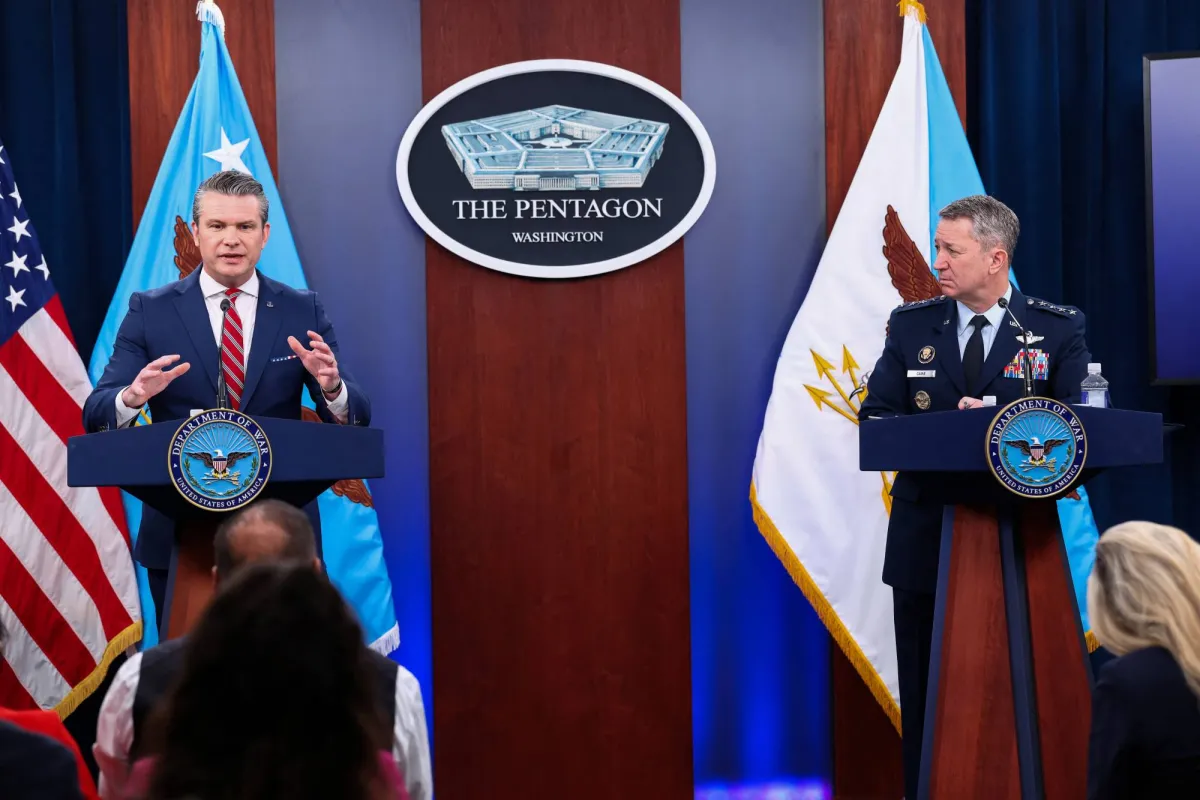
The Pentagon has halted the deployment of an armored brigade in Poland, a decision that carries profound implications regarding the ability of European allies to address security challenges amidst a declining U.S. military presence. This decision represents a real test of European defense capabilities and reflects shifts in U.S. policy under former President Donald Trump.
The reduction of U.S. military presence in Europe is no longer merely a strategic discussion about "burden-sharing" within NATO, but has become a field test of Europeans' ability to fill the gaps that Washington has covered for decades. The decision to stop the deployment of the second armored brigade from the First Cavalry Division, which was en route to Poland, came as a surprise, complicating the security situation in the region.
Details of the Event
The brigade that was canceled for deployment included over 4,000 soldiers and was considered a symbolic force enhancing allies' ground maneuverability. Such units bolster the deterrence message against Russian threats, especially in countries like Poland, Romania, and the Baltic states. The commander of the First Cavalry Division had previously affirmed that the deployment of the armored brigade sends a clear signal regarding the United States' commitment to regional security.
The cancellation of this deployment raises questions about the stability of deterrence in Europe, as deterrence relies on consistency in timelines and predictability. The cancellation of the deployment cycle after the movement of equipment has begun gives the impression that any U.S. arrangements may be subject to rapid review, placing European allies in a precarious position.
Background & Context
The U.S. military presence in Europe has historically been part of a deterrence strategy against Russian threats. With rising tensions in the region, bolstering military presence was seen as a necessary step to ensure security. However, political changes in the United States, particularly under the Trump administration, have impacted this strategy, leading to a reevaluation of roles and responsibilities within NATO.
The recent decision comes at a sensitive time, as European allies seek to enhance their conventional defense capabilities. Germany, for instance, faces significant challenges in building independent military capabilities, especially following the reduction of U.S. presence on its soil. This reduction weakens the support network that Europe relied upon to address security threats.
Impact & Consequences
The repercussions of this decision could be far-reaching, as it forces Europeans to accelerate their efforts to build conventional defense capabilities. The cancellation of the deployment of an American battalion of long-range conventional missiles in Germany opens a qualitative gap in European military capabilities. Europeans will need time and resources to develop alternatives, whether through purchasing American weapons or accelerating local production programs.
However, challenges do not stop there, as European armies suffer from stock shortages and weak production capacity, making any sudden U.S. reduction indicative of an inability to assume responsibility swiftly. This situation underscores the urgent need to enhance defense cooperation among European nations.
Regional Significance
The U.S. decision to halt the deployment of the armored brigade in Poland may affect security balances in the Arab region, as any reduction in U.S. military presence could encourage some regional powers to adopt more hardline positions. Additionally, strengthening European defense capabilities may influence security relations between Arab states and Europe.
In conclusion, this decision illustrates that shifts in U.S. policy towards Europe may create new challenges for allies, necessitating a reevaluation of their security strategies.