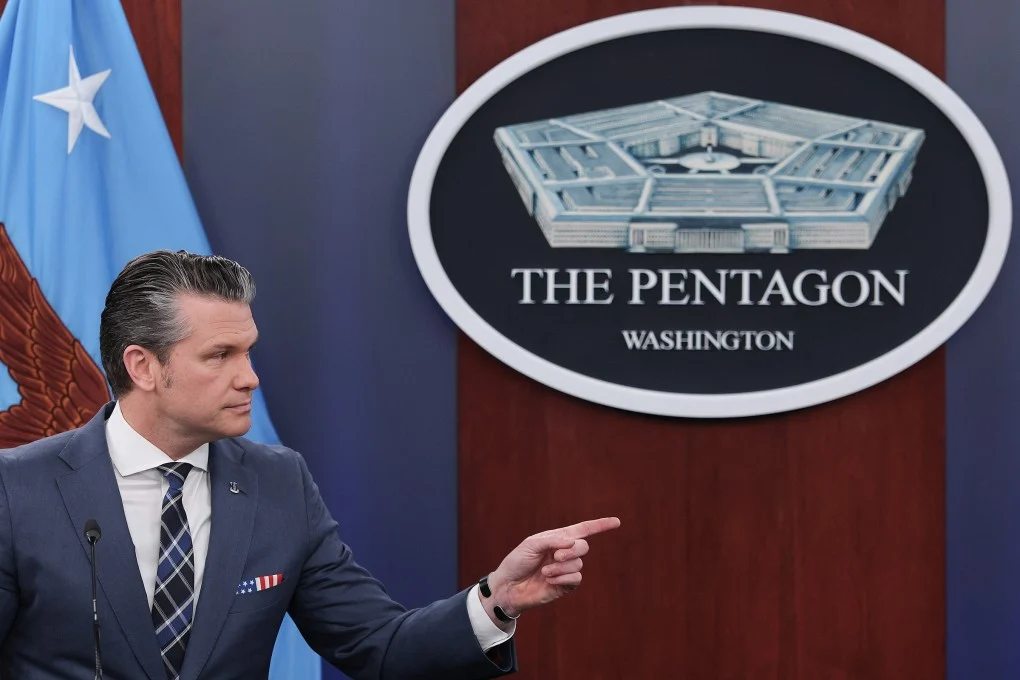
A lawyer for The New York Times has asserted that the U.S. Department of Defense (Pentagon) violated a court order that prohibits it from enforcing a policy restricting journalists' access to the department. This assertion was made during a hearing held on Monday, where the lawyer urged the federal judge to compel the government to comply with the order issued ten days prior.
Judge Paul Friedman did not issue an immediate ruling after hearing a second round of arguments from the newspaper's lawyer and the Trump administration. The New York Times claims that the Pentagon has not adhered to the court order, raising questions about press freedom in the United States.
Details of the Case
The roots of this case trace back to a new policy imposed by the Pentagon aimed at reducing the number of journalists who can access sensitive information. The New York Times has deemed this policy a violation of journalists' rights and a restriction on freedom of expression. During the session, the newspaper's lawyers presented strong arguments supporting their position, highlighting the importance of government transparency and the public's right to know what is happening within government institutions.
On the other hand, the Trump administration defended its policy, citing security considerations that necessitate reducing the number of journalists in certain cases. However, this justification did not convince the court, which maintained that press freedom must be protected even under security circumstances.
Background & Context
Press freedom is considered a core value in modern democracies, and the United States has witnessed increasing tensions between the government and the media in recent years. Since Trump took office, his administration has been repeatedly criticized for its attempts to limit journalists' access to information, raising concerns about transparency and accountability.
Historically, there have been numerous attempts by governments to curtail press freedom, but U.S. laws strongly protect journalists. This case represents a new test of that protection and could have wide-ranging implications for how the government interacts with the media in the future.
Impact & Consequences
If the court continues to support The New York Times' position, it could enhance journalists' rights in the United States, potentially encouraging other media outlets to challenge government policies deemed restrictive of press freedom. This could also increase pressure on the government to be more transparent in its dealings with the media.
Conversely, if the court rules in favor of the Pentagon, it could open the door to more policies that limit journalists' access to information, negatively impacting freedom of expression and diminishing the press's ability to perform its watchdog role.
Regional Significance
Press freedom is a significant issue in many Arab countries, where media outlets face substantial challenges in fulfilling their roles. This case in the United States could influence Arab journalists, as it may serve as a reference point in discussions about press freedom in the region. Furthermore, any advancement in protecting journalists' rights in the United States could be seen as a model for Arab countries struggling with restrictions on freedom of expression.
In conclusion, the issue of press freedom in the United States remains a vital topic requiring close monitoring, as the outcomes of this case could impact the future of journalism in the country and the rights of journalists worldwide.