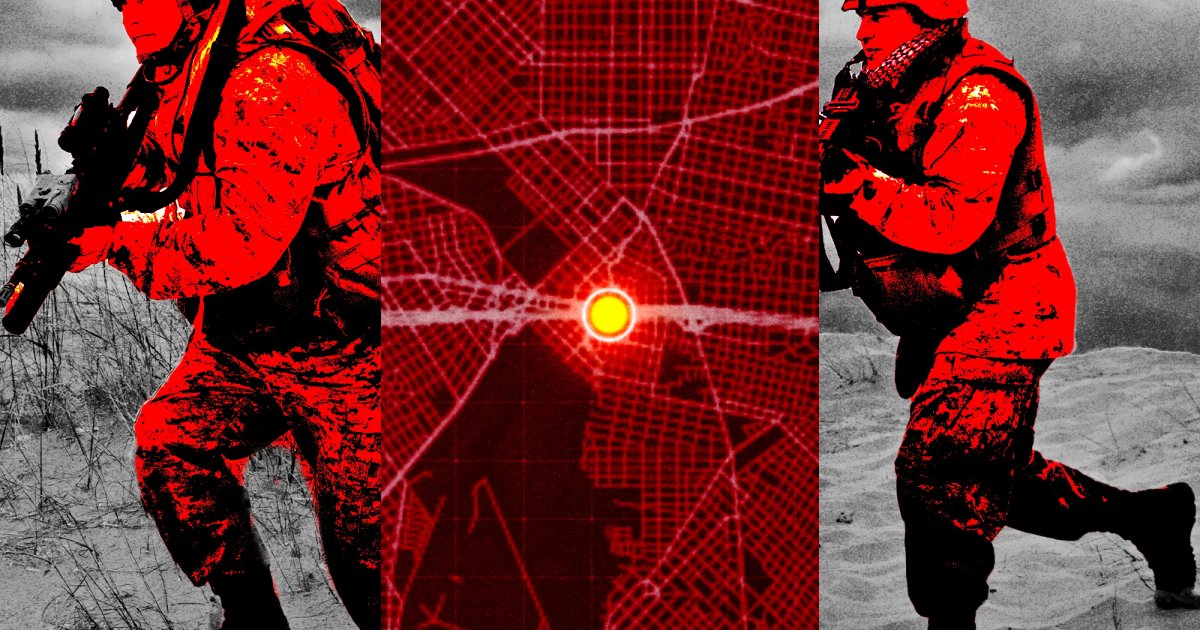
In a concerning development, U.S. Central Command has confirmed that enemies are using commercial location data to target American soldiers in conflict zones. This acknowledgment comes after years of warnings received by the U.S. Department of Defense, which stated that anyone could purchase accurate data about soldiers' locations, putting them at risk.
The long-ignored warnings were revealed in a recent letter, where the Pentagon admitted that there are multiple reports of enemies exploiting commercial data. This means that information that could be used to identify soldiers' locations, including their sleeping and working areas, has become readily available.
Details of the Situation
Over the past decade, contractors, analysts, and intelligence agencies have warned the Pentagon about the risks of publicly available commercial data. In 2016, a demonstration showed how mobile phones could be tracked from U.S. military bases to areas in Syria using purchased data, highlighting the ease of access to such information.
Despite these warnings, no effective steps have been taken to protect soldiers. In 2021, the Defense Intelligence Agency acknowledged that it was using commercial location data without judicial authorization, reflecting an unclear policy regarding privacy protection.
Background & Context
Historically, there have been multiple attempts to tighten laws regarding data protection, but these efforts often stalled in Congress. Although there is legislation aimed at preventing the resale of data, the broader market has remained unaffected, allowing the continued flow of sensitive information.
In recent years, concerns have increased about how commercial data is used to pinpoint soldiers' locations, especially with the growing reliance on technology in military operations. This situation reflects larger challenges faced by the U.S. armed forces in the information age.
Impact & Consequences
The potential consequences of this situation are severe, as it could lead to direct targeting of soldiers in conflict zones. The lack of necessary actions to protect sensitive information raises questions about the military leadership's effectiveness in securing soldiers.
Additionally, this situation reflects a weakness in policies related to data protection, which could affect public trust in the government's ability to safeguard sensitive information. A swift and effective response from the Pentagon is required to address these vulnerabilities.
Regional Significance
In the context of the Arab region, this situation could have direct impacts on U.S. forces deployed in the Middle East. With rising tensions in the area, any information used to target soldiers could escalate conflicts.
This situation also highlights the importance of enhancing cooperation between Arab countries and the United States in the field of cybersecurity, to ensure the protection of sensitive information and prevent any exploitation by enemies.
In conclusion, ignoring warnings about location data reflects significant challenges faced by the U.S. armed forces, necessitating urgent actions to protect soldiers and ensure their safety in conflict zones.