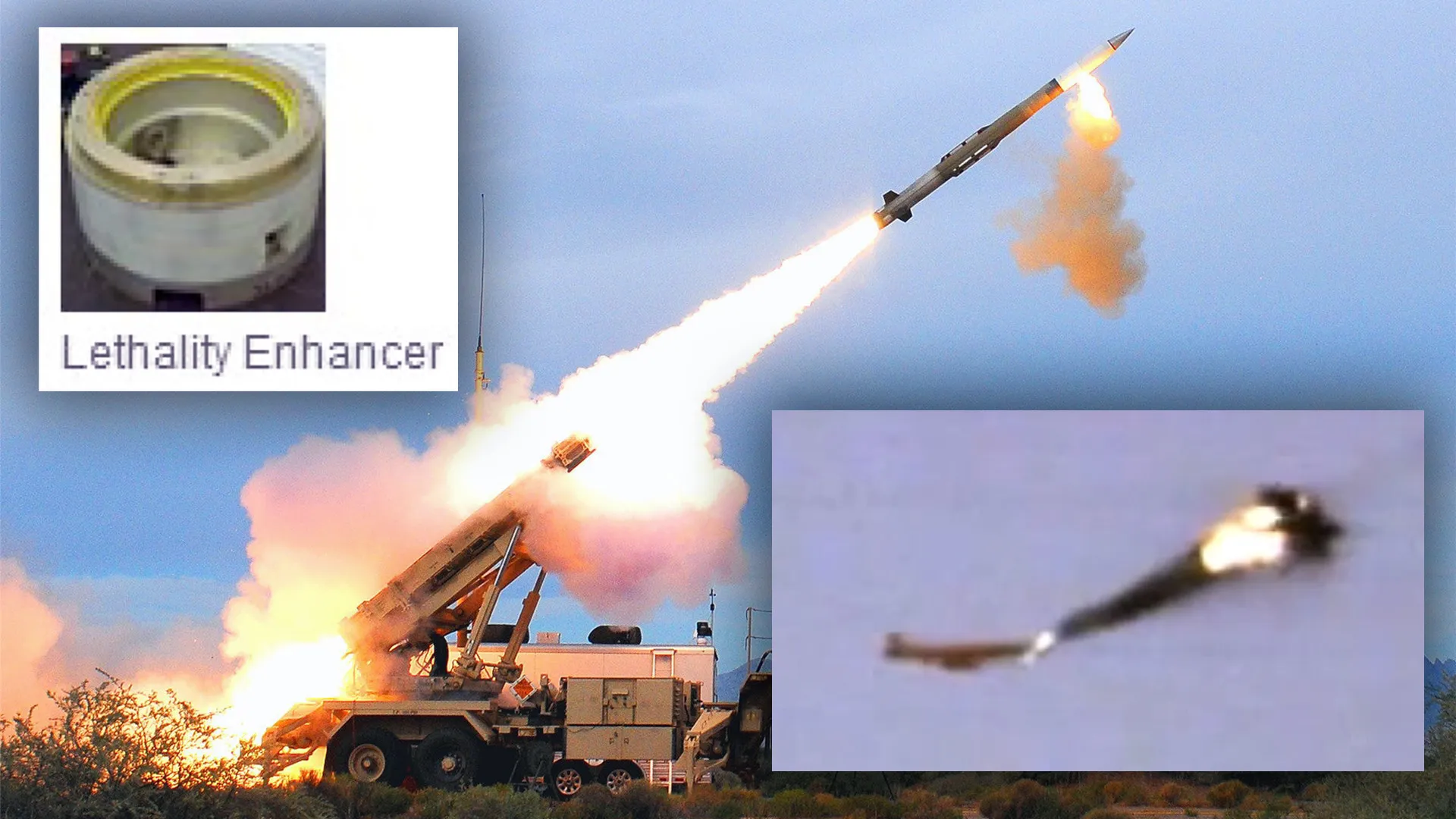
In a move reflecting escalating global tensions, the Pentagon announced on Wednesday a historic agreement with Boeing and Lockheed Martin to increase the production of components for the PAC-3 Patriot missile system. The agreement includes a plan to double the production of the seeker, a crucial component that acts as a sensor in the missile system, and comes at a sensitive time when international military threats are on the rise.
According to the official statement from the Pentagon, this agreement will lead to a production capacity increase of up to three times, reflecting the United States' commitment to enhancing its defensive capabilities. The agreement spans seven years, with Boeing's vital role in providing these defense systems emphasized.
Details of the Agreement
In a related context, the Pentagon had earlier this month signed a separate agreement with Lockheed Martin to increase the production of the Precision Strike Missile (PrSM), a type of precision-guided offensive missile. The agreements include investments in advanced equipment, upgrades to production facilities, and the provision of critical testing devices, contributing to faster delivery times and increased efficiency.
These steps come as a response to the growing security challenges faced by the United States, as these advanced defense systems are expected to require significant investments to ensure their readiness in times of crisis.
Background & Context
Historically, Patriot missile systems have been a core part of U.S. defense strategy, having been used in several conflicts since the 1990s. They have proven effective in countering aerial threats, making them a focal point for many countries seeking to bolster their defensive capabilities.
In recent years, the region has witnessed rising tensions, particularly in the Middle East, prompting nations to reassess their defense strategies. The new agreements also reflect the U.S. approach to strengthening defense partnerships with its allies in the face of shared challenges.
Impact & Consequences
Increasing the production of Patriot systems may enhance U.S. national security, but it could also raise concerns among some nations that view these systems as a potential threat. These developments are expected to affect the balance of power in the region, as other countries may seek to enhance their military capabilities in response to these upgrades.
Moreover, these agreements could pave the way for further cooperation between the United States and its allies, potentially leading to changes in regional dynamics.
Regional Significance
Considering the situation in the Arab region, the enhancement of U.S. defensive capabilities could directly impact regional security. Many Arab nations may be concerned about monitoring these developments, especially amid existing tensions with neighboring countries.
Additionally, these steps may prompt some Arab countries to consider bolstering their own military capabilities, potentially leading to an arms race in the region. It is crucial for Arab states to remain aware of these developments and work on strengthening their defense strategies in line with increasing challenges.
In conclusion, this agreement represents a significant step in enhancing U.S. defensive capabilities and reflects global trends toward increased defense investments amid rising threats. It is essential for Arab nations to closely monitor these developments and work to bolster their national security.