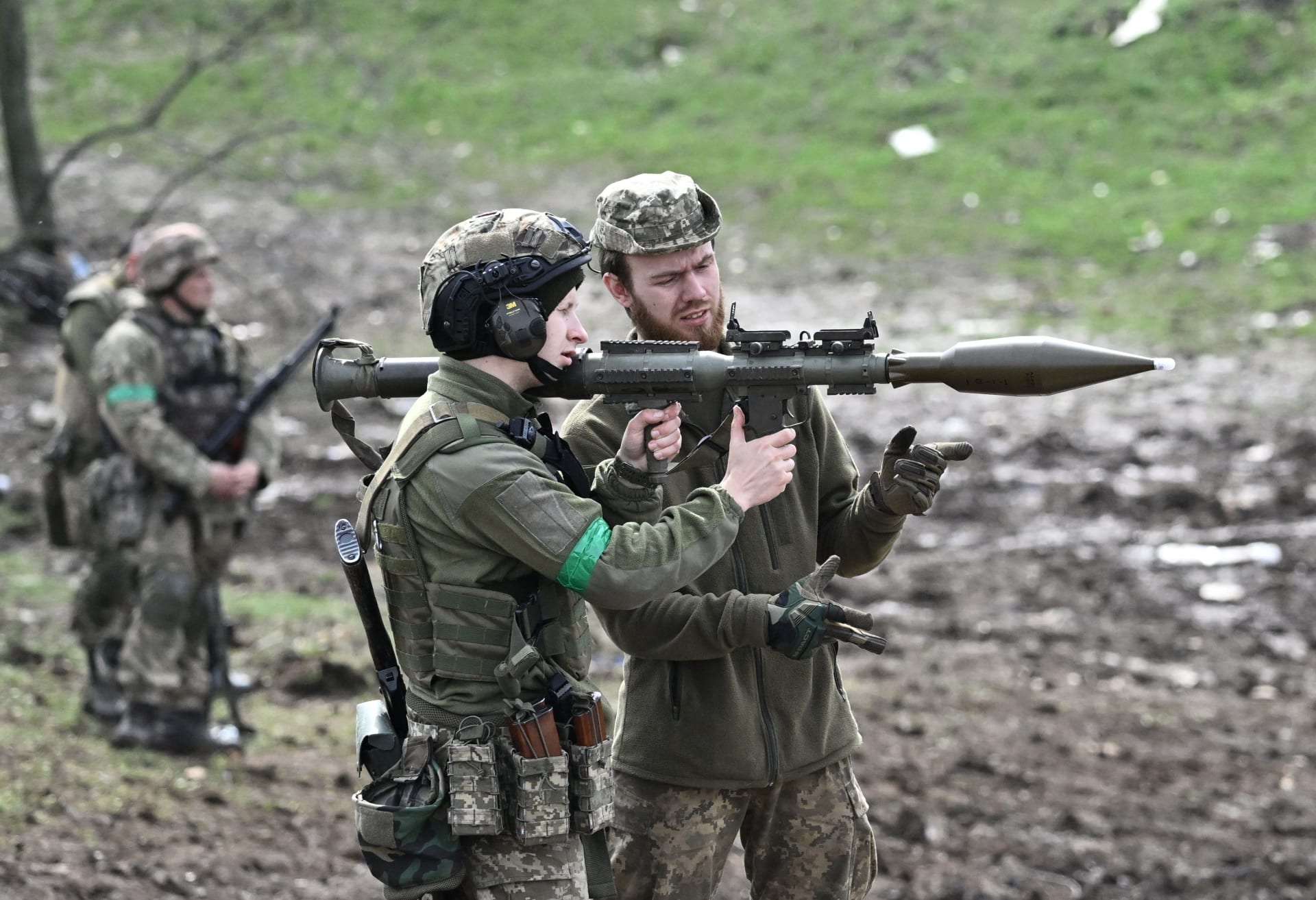
U.S. media reports indicate that the U.S. Department of Defense (Pentagon) has entered a new phase of military planning, considering the possibility of conducting ground operations within Iranian territory. This shift comes amid escalating tensions between the United States and Iran, signaling Washington's readiness to expand its military operations should ongoing diplomatic efforts prove unsuccessful.
According to CNN, the Pentagon has prepared multiple scenarios for deploying ground forces aimed at seizing strategic targets within Iran. However, these plans face significant reservations within the military establishment, as military leaders fear substantial U.S. troop casualties should any extensive incursion be executed.
Details of the Situation
Reports also indicate that there are doubts within decision-making circles in Washington regarding the ability of any ground action to definitively end the conflict. Some officials believe that a ground intervention could complicate the situation rather than resolve it. In this context, President Donald Trump is considering options for a significant military escalation against Iran if diplomatic efforts yield no progress.
In parallel, The Wall Street Journal reported that the Trump administration is contemplating sending up to 10,000 additional U.S. troops to the Middle East. These potential forces could include infantry units and armored vehicles, joining the thousands of soldiers and paratroopers previously sent to the region, including personnel from the 82nd Airborne Division.
Background & Context
These developments come at a sensitive time, as President Trump announced a 10-day ultimatum for Iran until April 6 to sign an agreement before the destruction of Iranian power stations. Trump confirmed that the Iranians requested an extension of the deadline for not launching attacks against energy facilities, indicating that talks are progressing well despite media portrayals.
This escalation in military planning occurs amid increasing tensions in U.S.-Iranian relations, with Washington accusing Tehran of supporting terrorism and destabilizing the region. Recent years have seen numerous incidents that have heightened tensions, including attacks on commercial vessels in the Arabian Gulf.
Impact & Consequences
If these plans are executed, they could lead to a significant escalation in the conflict between the United States and Iran, potentially adversely affecting security conditions in the Middle East. Furthermore, any military intervention could provoke strong reactions from Iran, including targeting U.S. forces in the region or its allies.
Concerns are rising that this escalation could lead to a full-scale war in the region, which could negatively impact the global economy, particularly in oil markets. Additionally, any military escalation may affect U.S. relations with its Gulf allies, who may find themselves in a difficult position between supporting Washington or trying to maintain their relationships with Iran.
Regional Significance
Arab countries neighboring Iran, such as Iraq and Syria, are considered the most affected by any potential military escalation. These nations have already experienced the repercussions of the Iranian-American conflict, with Iranian-backed militias present in Iraq and Syria, complicating the security situation in the region.
Moreover, any escalation could lead to an influx of more refugees into neighboring Arab countries, increasing the economic and social burdens on those nations. The situation may also raise fears of escalating sectarian conflicts in the region, potentially leading to further division and instability.
In conclusion, the situation in the region remains complex, with political and military interests intertwining, making it difficult to predict the developments of events. However, the potential military escalation by the United States against Iran remains a sensitive issue that requires close monitoring by the international community.