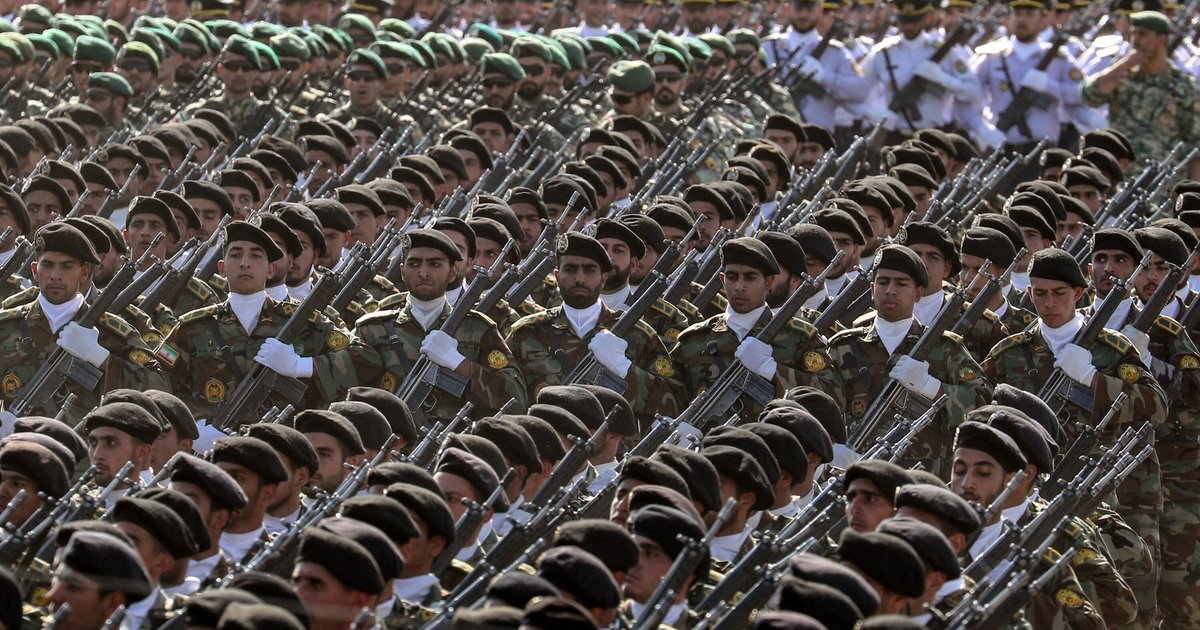
The Pentagon is preparing to conduct intensive ground operations in Iran, expected to last several weeks. This move comes amid escalating tensions between Washington and Tehran, as concerns grow over the potential escalation of conflict in the region.
The Washington Post reported that the Pentagon is considering multiple military options, including the deployment of additional forces to the region, as part of a strategic response to counter potential threats from Iran. These steps come at a sensitive time, with fears increasing that Iranian activities in the region could lead to a larger escalation of conflict.
Details of the Planned Operations
According to military sources, the ground operations may involve the use of U.S. special forces, in addition to bolstering the presence of conventional troops in the area. It is believed that these operations aim to undermine Iranian military activities that pose a threat to U.S. interests and its allies in the Middle East.
These developments come at a time when the Middle East is experiencing rising tensions, as Iran seeks to enhance its influence in Iraq, Syria, and Lebanon. There are also concerns that these operations could provoke violent reactions from Iranian-backed militias, which could further complicate the security situation in the region.
Background & Context
Historically, U.S.-Iranian relations have deteriorated continuously since the Islamic Revolution in 1979. Economic sanctions and military pressures have heightened tensions between the two countries, making it difficult to achieve any form of constructive dialogue. In recent years, Iran has increased its military activities in the region, raising alarms for the United States and its allies.
In 2015, a nuclear agreement was reached between Iran and major powers, but the U.S. withdrawal from the agreement in 2018 reignited tensions. Since then, Iran has expanded its nuclear program, increasing international concerns about its military intentions.
Impact & Consequences
If these ground operations are executed, they are likely to escalate the conflict in the region, potentially negatively impacting regional security. There are also fears that these operations could provoke violent reactions from Iranian-backed militias, further complicating the security landscape.
Additionally, these operations may affect U.S. relations with its allies in the region, as some allies may feel anxious about the escalation of conflict. There is also a possibility that these operations could increase tensions between the United States and Russia, which supports Iran in the conflict.
Regional Significance
The U.S. military operations in Iran are expected to have significant implications for neighboring Arab countries, as they could lead to an escalation of conflict in Iraq and Syria. There are concerns that these operations may result in an influx of refugees into neighboring countries, increasing pressure on these nations.
Moreover, these operations could impact global oil prices, as any escalation in conflict may lead to rising oil prices due to supply disruption fears. This situation could directly affect Arab economies that heavily rely on oil revenues.
In conclusion, developments in Iran remain a major focus for the international community, as any escalation in conflict could have dire consequences for security and stability in the region.