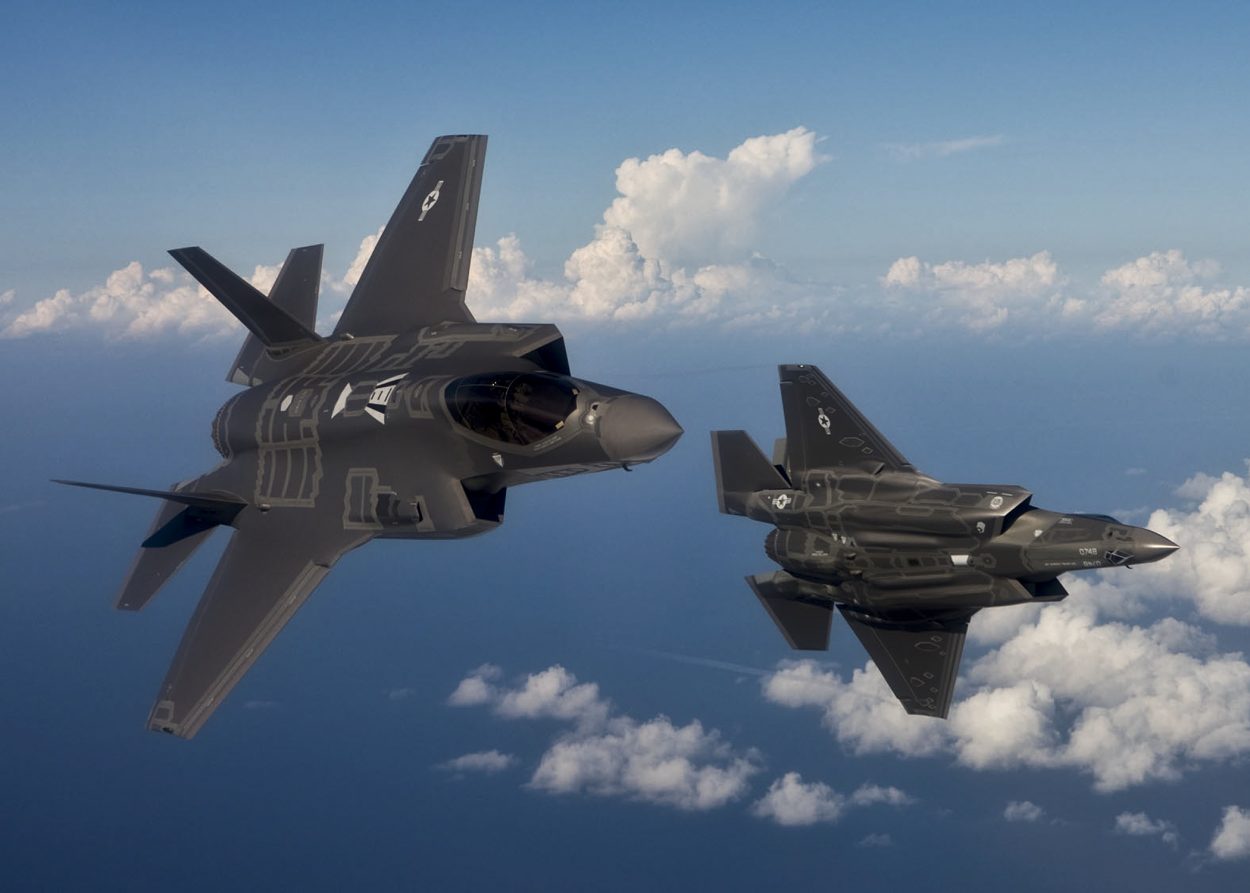
The U.S. Department of Defense is seeking to enhance its air capabilities by purchasing 85 F-35 fighter jets from Lockheed Martin, according to the Pentagon's budget draft for fiscal year 2027. This move is part of the United States' efforts to maintain its military superiority in light of increasing challenges on the international stage.
The F-35 jets are among the most advanced fighter aircraft in the world, featuring cutting-edge technologies that enable them to perform multiple missions with high efficiency. This deal is expected to bolster the strength of the U.S. Air Force and modernize its air fleet.
Details of the Acquisition
The budget draft reveals a substantial allocation for the purchase of these aircraft, reflecting the United States' commitment to enhancing its defense capabilities. The new jets are scheduled for delivery in 2027, allowing the U.S. military ample time to train pilots and technical teams on their operation.
This initiative comes at a time when geopolitical tensions are rising in various parts of the world, necessitating the enhancement of military capabilities among major powers. This deal may represent a part of a broader strategy aimed at modernizing weapons and military equipment in response to escalating security challenges.
Background & Context
Historically, the United States has always been at the forefront of fighter aircraft development, investing billions of dollars in research and development programs. The F-35, developed in collaboration with several countries, represents the pinnacle of modern military technology, combining stealth capabilities, high speed, and maneuverability.
This aircraft is part of a comprehensive military vision aimed at enhancing cooperation among allies, as it constitutes part of NATO's efforts to strengthen air defenses in Europe. Additionally, this deal occurs within the context of increasing military competition between the United States and its adversaries such as China and Russia.
Impact & Consequences
This deal could lead to heightened tensions in international relations, as some countries may perceive it as a threat to their national security. Furthermore, the enhancement of U.S. military capabilities may prompt other nations to increase their military spending, potentially leading to a new arms race in the region.
Moreover, this acquisition will bolster Lockheed Martin's position as one of the largest arms suppliers in the world, impacting the U.S. economy and creating job opportunities in this sector. This move may also lead to increased cooperation between the United States and its allies in defense matters.
Regional Significance
Amid rising tensions in the Arab region, this deal may affect the military balance in the Middle East. Arab nations might feel compelled to enhance their military capabilities to address growing security challenges, which could result in increased military spending in the region.
Additionally, the strengthening of U.S. military capabilities may influence relations between the United States and Arab countries, as some nations may seek to bolster their military partnerships with Washington in light of these developments. It is crucial for Arab nations to closely monitor these developments, as they may impact their future security and defense strategies.
In conclusion, this deal reflects the United States' commitment to enhancing its military capabilities in the face of increasing challenges, raising questions about its impact on regional and international security.