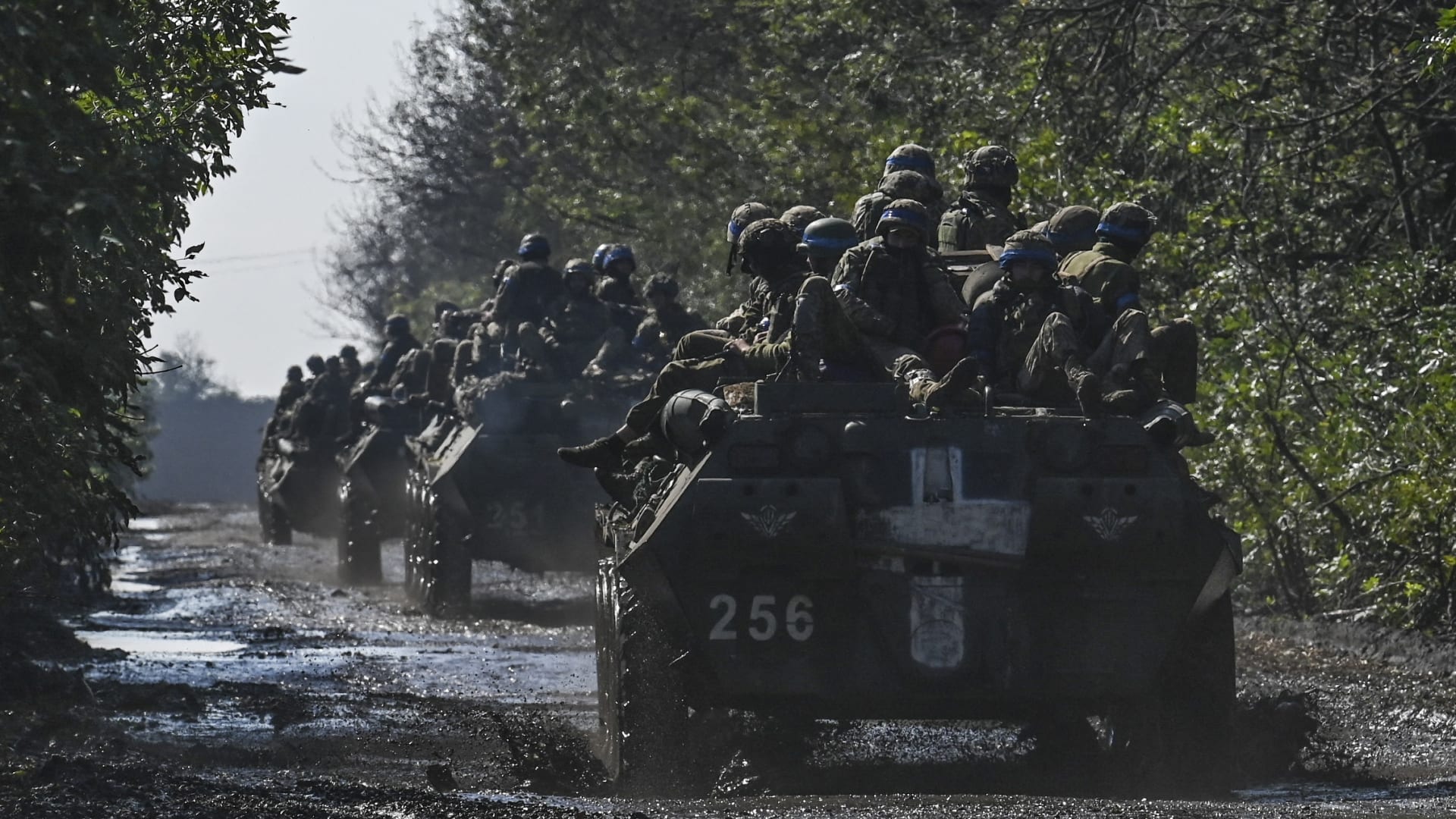
A report by the American newspaper Washington Post on Thursday revealed that the U.S. Department of Defense (the Pentagon) is studying the possibility of transferring weapons that were originally allocated for Ukraine to the Middle East. This decision arises amid the depletion of U.S. munitions as a result of the ongoing conflict in Iran, raising questions about the United States' strategy in the region.
According to informed sources, the Pentagon is facing significant challenges in securing the necessary munitions for military operations in the Middle East, where recent American efforts have focused on supporting Ukraine against the Russian invasion. With increasing pressure on military stockpiles, it seems that transferring some weapons to the Middle East has become a viable option.
Details of the Situation
This move comes at a sensitive time, as the crisis in Iran intensifies, leading to a significant depletion of American military resources. Reports indicate that the United States may need to bolster its military presence in the region to counter rising threats from Iran, especially with escalating tensions in the Arabian Gulf.
The weapons that may be transferred to the Middle East include a range of munitions and military equipment that were originally designated to support Ukraine. This shift could impact Ukraine's ability to face the military challenges it encounters, raising concerns among Washington's allies in Europe.
Background & Context
Since the beginning of the conflict in Ukraine, the United States has provided substantial military support to Kyiv, including advanced weapons and munitions. However, the ongoing conflict in Iran has led to a reassessment of American military priorities. Iran is considered one of the largest threats to regional security, making it essential for the United States to redirect its resources to address this challenge.
Historically, the United States has transferred weapons from various regions to enhance its military presence in the Middle East, especially during times of crisis. This new step reflects the continuation of the American strategy to maintain its influence in the region, despite increasing challenges.
Impact & Consequences
If the transfer of weapons occurs, it could lead to heightened tensions in the region. Iran and its allies may exploit this shift to justify escalating their military actions against U.S. forces or their allies in the region. Additionally, this decision could affect U.S. relations with European countries that rely on American military support for Ukraine.
Furthermore, this shift may provoke negative reactions from U.S. allies in the Middle East, who may be concerned that the United States' focus on Iran could come at the expense of their support. This could lead to a reevaluation of alliances in the region.
Regional Significance
For Arab countries, this decision could carry significant implications. It may lead to increased tensions between Arab states and Iran, particularly amid ongoing conflicts in Iraq, Syria, and Yemen. Additionally, the bolstering of the American military presence in the region could affect the stability of certain countries, further complicating the security landscape.
Ultimately, the question remains about how this shift will impact regional stability. Will the United States be able to balance its support for Ukraine while enhancing its presence in the Middle East? Or will this decision lead to escalating crises in the region?