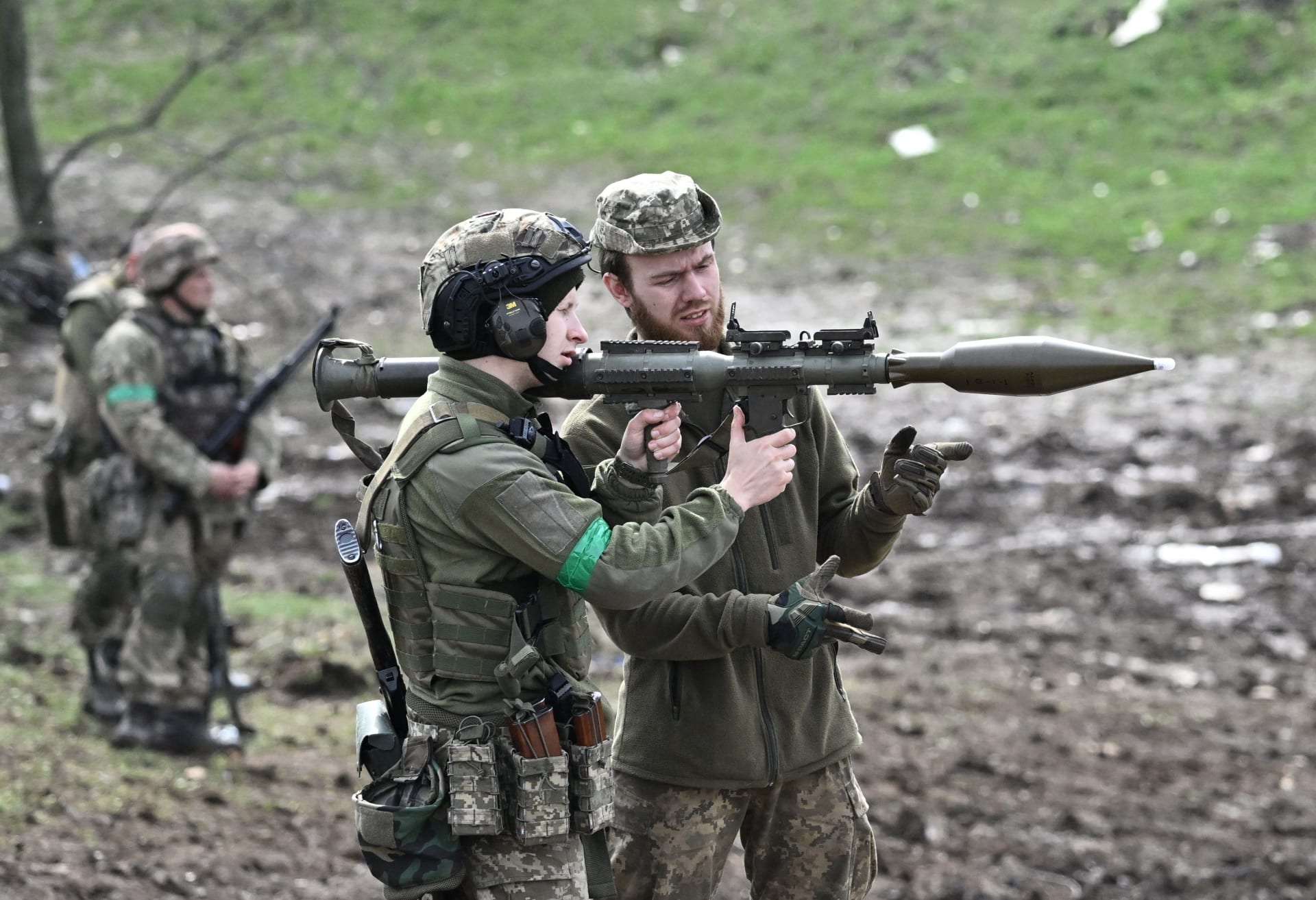
The U.S. Department of Defense (Pentagon) is seeking to redirect weapons that were originally designated for Ukraine towards the Middle East, as part of efforts to address the depletion of military ammunition resulting from intensive operations against Iran. The Washington Post revealed today that this step is being considered in light of rising tensions in the region.
The weapons under consideration for redirection include air defense interceptors that were purchased through an initiative launched by NATO last year, aimed at supporting Ukraine against Russian threats. This shift reflects the increasing challenges the United States faces in securing its interests in the Middle East.
Details of the Situation
In a statement, Admiral Brad Cooper, commander of U.S. Central Command, confirmed that the United States has carried out over 10,000 strikes against targets within Iran as part of its efforts to curb Tehran's influence in the region. He noted that the Pentagon is committed to ensuring that U.S. forces and their allies have the necessary weapons and ammunition to counter threats.
The interceptors are considered critical components of air defense systems, which are essential for protecting U.S. and allied forces in the region. The potential redirection of these assets underscores the Pentagon's strategic recalibration in response to evolving threats.
Background & Context
The ongoing military operations against Iran are part of a broader strategy to contain Iranian influence across the Middle East. The U.S. has been increasingly concerned about Iran's military capabilities and its support for proxy groups that threaten U.S. interests and allies in the region.
As tensions have escalated, the U.S. has sought to bolster its military presence and readiness in the Middle East. The decision to consider redirecting weapons from Ukraine highlights the complexities of U.S. defense priorities, especially as it navigates multiple global conflicts simultaneously.
Impact & Consequences
The redirection of weapons from Ukraine to the Middle East could have significant implications for both regions. For Ukraine, this could mean a potential shortfall in military support at a critical time in its ongoing conflict with Russia. The U.S. has been a key supplier of military aid to Ukraine, and any reduction in this support could impact its defensive capabilities.
Conversely, for the Middle East, the influx of additional U.S. military assets could enhance the operational capabilities of U.S. forces and their allies in countering Iranian threats. This could lead to a more robust military posture in the region, but it also risks escalating tensions further.
Regional Significance
The Middle East remains a volatile region, with various state and non-state actors vying for influence. The U.S. military presence and its strategic decisions play a crucial role in shaping the security landscape. By redirecting weapons to the Middle East, the U.S. aims to reinforce its commitment to regional allies and deter Iranian aggression.
As the situation develops, the implications of this decision will be closely monitored by both allies and adversaries. The balance of power in the region could shift depending on how effectively the U.S. can integrate these redirected assets into its existing military framework.
In conclusion, the Pentagon's consideration of redirecting weapons from Ukraine to the Middle East reflects the complex interplay of global military priorities and the urgent need to address emerging threats. As tensions rise, the U.S. must navigate these challenges carefully to protect its interests and maintain stability in both regions.