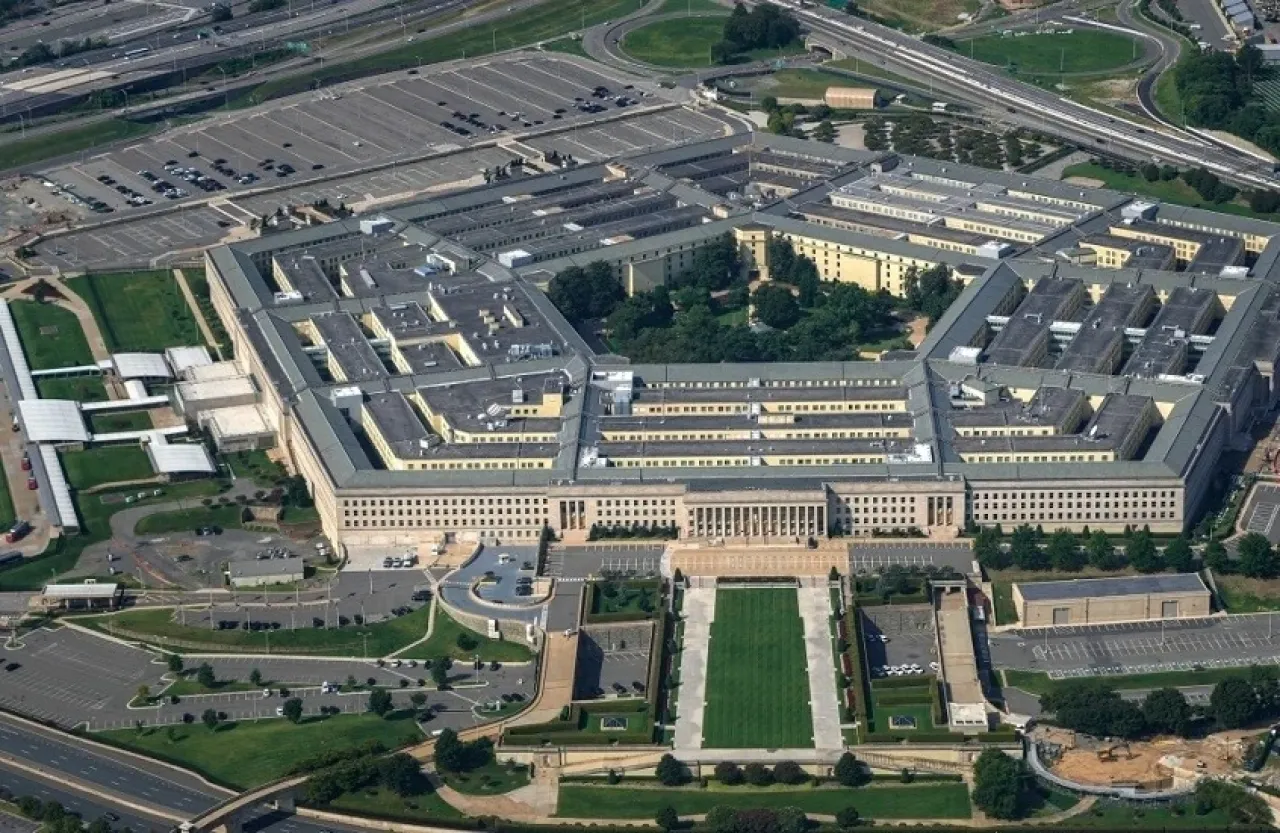
The U.S. Department of Defense (Pentagon) announced on Wednesday that it has reached framework agreements with several major defense companies, including BAE Systems, Lockheed Martin, and Honeywell, to increase the production of various defense systems and ammunition. This step is part of the Pentagon's shift to a "war readiness state" amid escalating regional tensions.
These agreements come more than three weeks after U.S. President Donald Trump and Israel announced their firm stance towards Iran, reflecting growing concerns about Iranian activities in the region. This move may represent part of a broader strategy to enhance U.S. military capabilities in response to potential threats.
Details of the Agreements
The new agreements include increasing the production of ammunition and defense systems, which reflects the United States' commitment to enhancing its military capabilities. Pentagon officials stated that this step aims to ensure the readiness of U.S. forces in the event of any military escalation.
The defense systems that will see increased production include air defense and missile systems, which are vital in countering potential threats from countries like Iran. The United States is also seeking to improve its capabilities in artificial intelligence and modern technology to enhance the effectiveness of its defense systems.
Background & Context
These developments come at a time when the region is experiencing heightened tensions, particularly following increased Iranian threats against U.S. and Israeli interests. These tensions have led to growing calls within the United States to bolster military capabilities, prompting the Pentagon to take swift action to meet these demands.
Over the past few years, relations between the United States and Iran have deteriorated steadily, especially after the U.S. withdrawal from the Iranian nuclear deal in 2018. This step has intensified tensions, leading the United States to reinforce its military presence in the region.
Impact & Consequences
These agreements could lead to increased tensions in the region, as Iran and its allies may feel threatened by the enhancement of U.S. military capabilities. This could escalate existing conflicts, particularly in Iraq and Syria.
Furthermore, the boost in military production may contribute to increased U.S. military spending, which could impact the federal budget and lead to political discussions about national priorities. This step may also increase pressure on other countries in the region to develop their military capabilities.
Regional Significance
For the Arab region, these developments may signify increased tensions between Arab countries and Iran, as some Arab nations may feel concerned about the enhancement of U.S. military capabilities. This move could also lead to increased military support for countries facing threats from Iran, such as Saudi Arabia and the United Arab Emirates.
At the same time, these developments could enhance military cooperation between Arab countries and the United States, potentially contributing to improved regional security. However, military escalation may increase risks and lead to new conflicts in the region.
In conclusion, these agreements reflect the United States' commitment to enhancing its military capabilities amid rising tensions, which could have far-reaching implications for regional and international security.