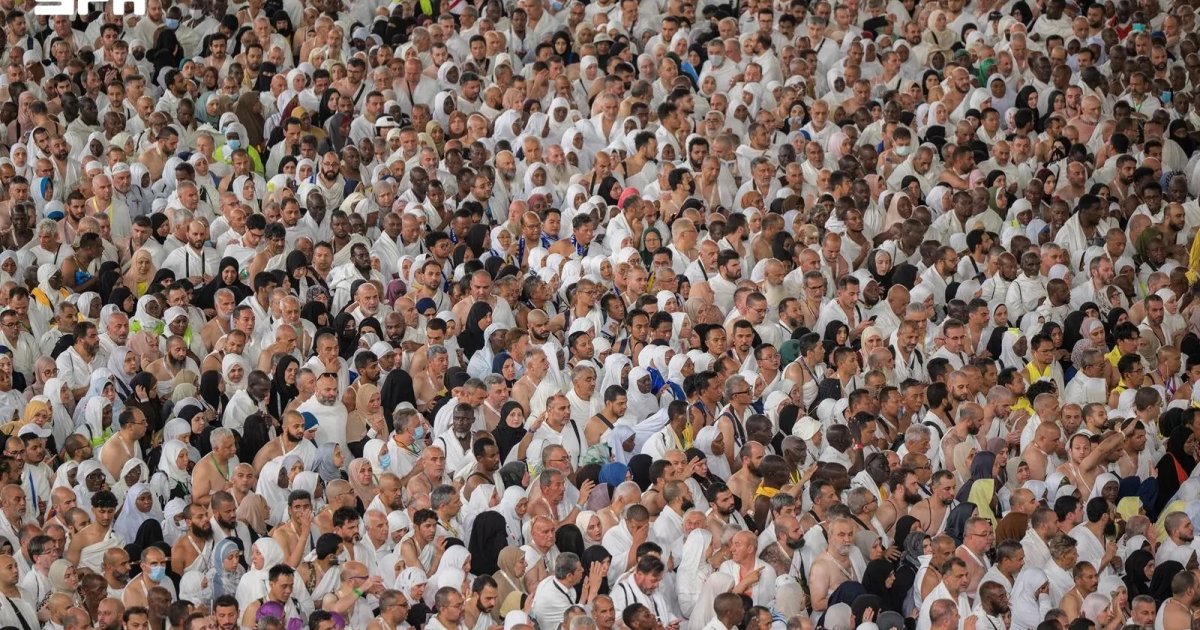
On Wednesday, pilgrims performed Tawaf Al-Ifadah, a fundamental pillar of the Hajj rituals, at the Grand Mosque in Mecca. This followed their day spent at Arafat in prayer, after which they proceeded to Muzdalifah to spend the night, and then threw stones at Jamrat Al-Aqabah. The Grand Mosque witnessed a significant influx of pilgrims from various parts of the world to perform this sacred rite.
Under the supervision of the relevant authorities, all necessary human and technological resources were provided to ensure the smooth and efficient conduct of the Tawaf. The Grand Mosque was prepared to receive the pilgrims, with organized movement and health and security services in place to ensure everyone's safety.
Details of the Event
Tawaf Al-Ifadah is considered one of the most important pillars of Hajj, where pilgrims circle the Kaaba seven times. This Tawaf follows the throwing of stones and is part of the Hajj rituals that reflect the spirituality of this worship. Reports indicated that pilgrims performed the Tawaf in an atmosphere of reverence and tranquility, highlighting the significance of these moments in their lives.
Additionally, pilgrims will continue to perform their rituals in Mina during the days of Tashreeq, where they will throw stones at the three Jamrat. Afterward, they will conclude their rituals with the Farewell Tawaf before leaving Mecca. The procedures for the Tawaf have been facilitated through a comprehensive system of organizational, health, and security services.
Background & Context
Historically, Hajj is one of the five pillars of Islam, attracting millions of Muslims from around the world each year. Mecca, which houses the Kaaba, is a spiritual center for Muslims, who come to perform this obligation at specific times of the year. In recent years, there has been a notable improvement in the organization of Hajj rituals, contributing to an enhanced experience for pilgrims.
The Kingdom of Saudi Arabia continually seeks to enhance the services provided to pilgrims, introducing modern technologies to facilitate movement and ensure safety. This year, additional health measures were implemented to guarantee the safety of pilgrims amid current global conditions.
Impact & Consequences
These moments are part of the Hajj experience that profoundly impacts the pilgrims. Circling the Kaaba symbolizes unity and solidarity among Muslims, strengthening social and religious bonds among them. Furthermore, the effective organization of Hajj rituals contributes to enhancing the image of Saudi Arabia as a global religious destination.
The impact of Hajj also extends to the local economy, as the influx of pilgrims stimulates commercial and tourism activities in Mecca. This reflects the importance of Hajj not only as an act of worship but also as an economic factor.
Regional Significance
Hajj symbolizes unity among Arab and Islamic countries, bringing together Muslims from various nationalities and cultures in one place. This event reflects the strength of religious ties among Arab peoples and promotes values of tolerance and cooperation.
The successful organization of Hajj also demonstrates the ability of Arab countries to manage major events, enhancing their status on the international stage. Amid the challenges facing the region, Hajj remains a symbol of hope and unity.