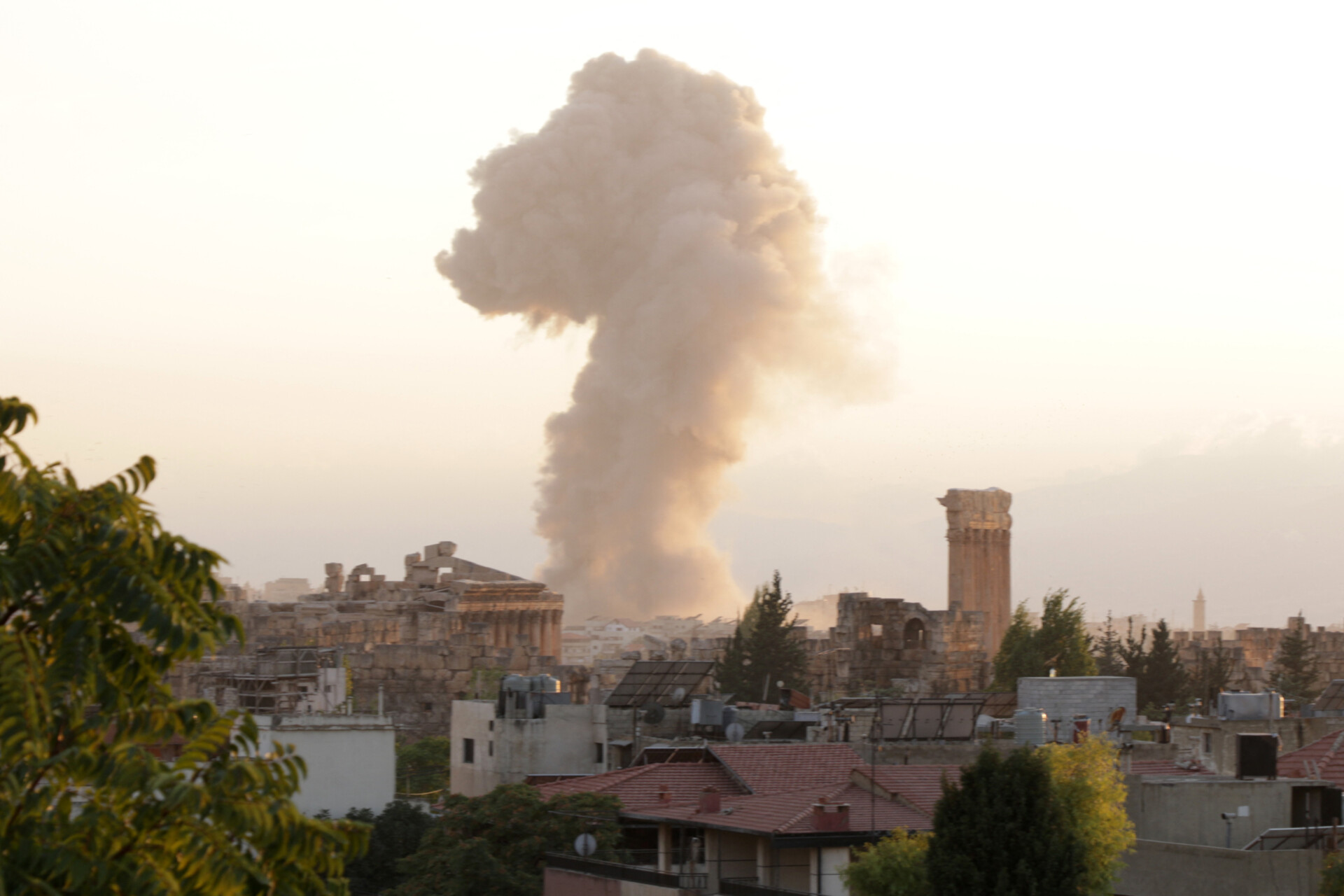
The suffering of residents in southern Lebanon is evident in their daily commute from the Hasbaya region to the capital, Beirut. This journey has transformed from a routine trip into a perilous adventure under continuous Israeli bombardment. In light of the difficult security conditions, many are forced to rely on public transportation, as the number of trips has significantly decreased.
The journey takes about two hours, starting from Hasbaya, a town near the border with occupied Palestine, which experiences ongoing tensions. Previously, this route was serviced by buses (microbuses) running up to eight times a day, but today, it has dwindled to just one or two trips, reflecting the devastating impact of the security situation on people's lives.
Details of the Current Situation
Imad Zaghir, a bus driver on the Hasbaya/Merjeyoun/Beirut line, prepares for the start of his day, but the details of his work have changed drastically. Long hours spent working were once considered normal, but now, a trip that ends safely is seen as an achievement in itself. As the bombardment intensifies, the distance is measured by the danger faced by passengers at every moment, making the daily commute an uncertain adventure.
Business activity has significantly declined, forcing drivers to use alternative routes, which increases travel time and exhausts passengers. Under these circumstances, the role of the microbus has expanded beyond just transporting passengers to include delivering essential supplies to residents.
Background & Context
Two companies share the operation of the Hasbaya-Beirut bus line, where trips used to reach eight daily before the war. Today, the trips are limited to just two, scheduled in the morning to avoid the dangers of traveling at night. With the increase in bombardment on southern villages, many residents have been forced to flee, negatively impacting the number of passengers.
Jihad Badr al-Din, one of the drivers who has worked on this line for over ten years, confirms that buses used to be filled with passengers, but the security conditions have driven many to leave their villages. Nevertheless, the route towards the Litani River continues, as residents strive to maintain what remains of their daily rhythm.
Impact & Consequences
The need to reach Beirut to secure basic necessities is increasing, forcing residents to use public transportation despite the risks. As the number of trips decreases, transportation fares have risen from $5 to $7, in an attempt to keep up with rising fuel prices and maintenance costs.
Jawad Khair, a resident of Hasbaya, states that he has to travel to Beirut twice a week to manage his business, having previously commuted more frequently before the war. He points out that the southern road carries significant risks, while the Bekaa route is considered safer, albeit taking longer.
Regional Significance
This daily journey exemplifies the challenges faced by residents in conflict-affected areas. While people strive to maintain their daily lives, the risks remain, highlighting the humanitarian impact of conflicts in the region.
In conclusion, the microbus remains a vital option for many, providing a safer and more affordable means of transportation amid difficult economic conditions. As the bombardment continues, hope remains pinned on achieving peace and security in the region.