PetroChina, the state-owned oil giant in China, has announced that its business operations remain stable despite the unrest in the Strait of Hormuz due to Iranian tensions. The company clarified that most of its imports do not pass through this strategic strait, which has contributed to maintaining the stability of its operations.
However, PetroChina confirmed that its investments in the Middle East have been somewhat affected, with the quantities of oil and gas it imports through the Strait of Hormuz representing about 10% of its total operational volume. This percentage indicates the importance of the strait in securing energy supplies, although the company has managed to adapt to the current conditions.
Details of the Situation
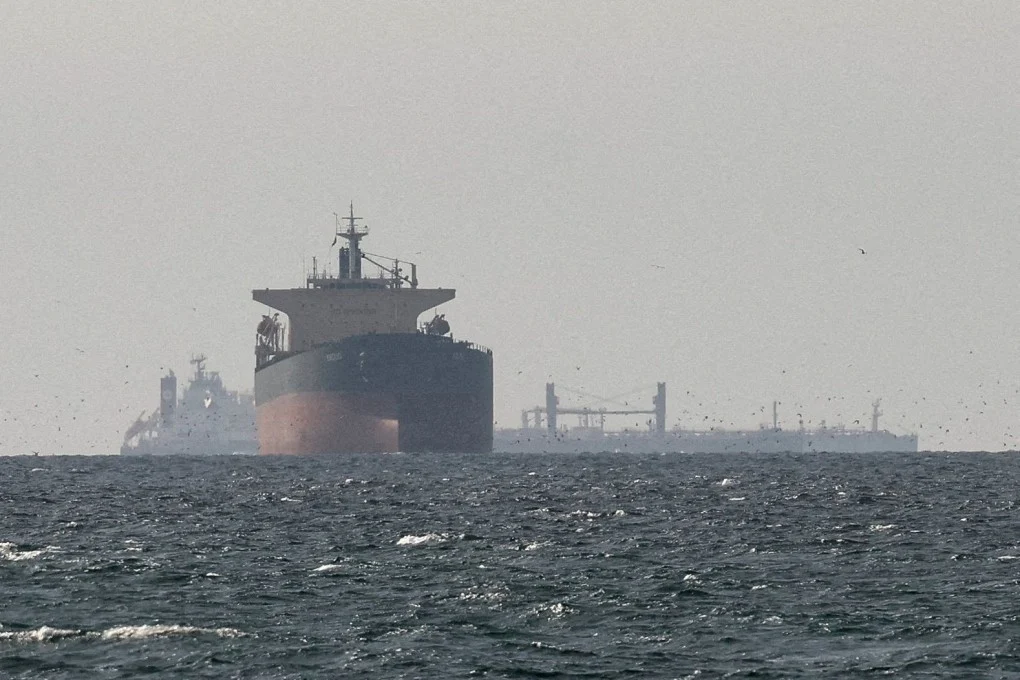
The Strait of Hormuz is experiencing increasing tensions, as this waterway is one of the most important oil transit points in the world. The Iranian unrest has heightened concerns among global companies that rely on this strait to secure their energy supplies. In this context, three Chinese vessels have exited the strait, reflecting proactive measures taken by companies to avoid any negative impacts.
PetroChina, considered one of the largest oil companies in the world, continues its operations across multiple sectors, including exploration, production, and refining. Despite the challenges, the company is striving to maintain its stability by diversifying its supply sources.
Background & Context
Historically, the Strait of Hormuz is a vital point in global energy trade, with approximately 20% of the world's total oil passing through it. The strait has witnessed numerous political and military crises, impacting shipping movements and supply security. In recent years, tensions between Iran and the United States have escalated, raising fears about the safety of navigation in this region.
Major countries, including China, are seeking to secure their energy supplies amid these volatile conditions. PetroChina has demonstrated its ability to adapt to challenges by strengthening its partnerships in other regions, such as Africa and Latin America.
Impact & Consequences
Disruptions in the Strait of Hormuz directly affect global oil prices, as any increase in tensions can lead to price hikes. This, in turn, impacts the global economy, especially in countries that heavily rely on oil. Additionally, major companies like PetroChina need flexible strategies to deal with these challenges.
Moreover, the stability of PetroChina's operations could have a positive impact on the Chinese market, as China is the world's largest oil importer. If the company can maintain its stability, it may enhance confidence in the Chinese economy.
Regional Significance
The Middle East is one of the regions most affected by tensions in the Strait of Hormuz, as many Arab countries depend on oil exports. Any disruptions in shipping movements could impact the economies of these nations, necessitating enhanced regional cooperation to ensure supply stability.
In this context, Arab countries can play a significant role in securing navigation in the strait by strengthening cooperation with major powers like China. Additionally, Chinese investments in the region may contribute to enhancing economic stability.
In conclusion, tensions in the Strait of Hormuz remain a vital issue affecting the global economy, but PetroChina's ability to maintain the stability of its operations reflects the resilience of major companies in facing challenges. As events continue to unfold, it will be important to monitor developments and their impact on global markets.