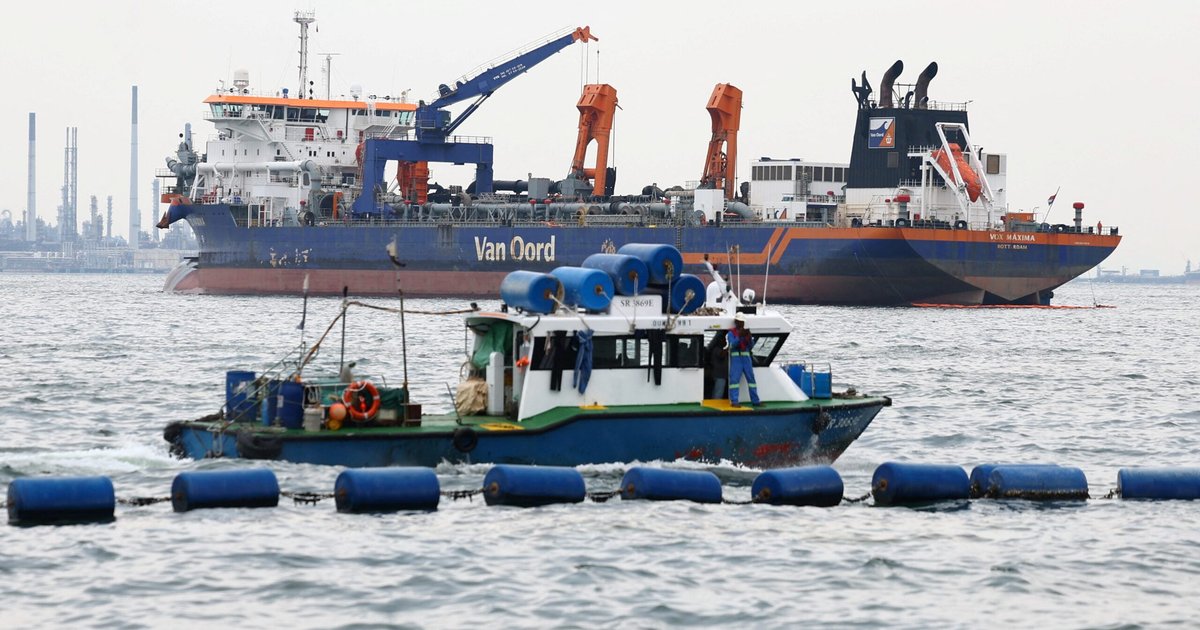
PetroChina, one of the largest oil companies in China, has announced the shipment of approximately 2 million barrels of crude oil from its reserves in China to a joint refinery in Singapore. This move aims to compensate for the severe supply shortage resulting from the ongoing war in Iran. The shipment was loaded onto the oil tanker New Merit in mid-March and was delivered to Jurong Island in Singapore by the end of the same month.
This shipment is considered rare, as China rarely exports crude oil. Reports indicate that the shipment includes Murban oil from the United Arab Emirates, reflecting PetroChina's partnership in the production of this type of oil. PetroChina operates in a joint venture with the American company Chevron, where both companies share the management of the Singapore refinery, which has a production capacity of 285,000 barrels per day.
Details of the Shipment
This step comes at a time when oil refineries in Asia are suffering from a severe supply shortage, with operating rates at the Singapore refinery dropping to around 60% since the beginning of March due to supply disruptions from the Middle East. An informed source confirmed that PetroChina and Chevron exchange crude supply to the refinery on a quarterly basis.
In light of these circumstances, companies across Asia continue to scale back operations to mitigate the effects of raw material shortages. PetroChina's President, Dai Huliang, noted that the company has managed to maintain its normal operations due to its reduced reliance on supplies passing through the Strait of Hormuz, which has experienced actual closures for a month.
Background & Context
Historically, the Middle East has been a primary source of oil supplies to Asia, with many Asian countries importing large quantities of crude oil from this region. As political tensions and wars, such as the war in Iran, escalate, oil supplies are significantly affected, leading to shortages in global markets.
PetroChina is one of the leading companies in the oil and gas sector and has played an important role in securing energy supplies for China. However, the challenges faced by companies amid geopolitical crises require new strategies to secure supplies.
Impact & Consequences
These developments directly affect global oil markets, as supply disruptions can lead to price increases. Additionally, companies' reliance on alternative sources may change market dynamics and impact trade relations between producing and consuming countries.
Moreover, the continuation of conflicts in the Middle East could lead to greater fluctuations in oil prices, affecting the global economy as a whole. At the same time, these conditions may open new opportunities for countries with alternative oil resources.
Regional Significance
For Arab countries, these developments reflect the importance of stable oil supplies and their impact on the economy. With rising tensions in the region, Arab nations may need to consider new strategies to ensure the sustainability of their oil supplies and enhance their trade relations.
These events also highlight the need for economic diversification and reducing reliance on oil as a primary source of revenue, which may drive Arab countries to invest in new areas to enhance their economic stability.