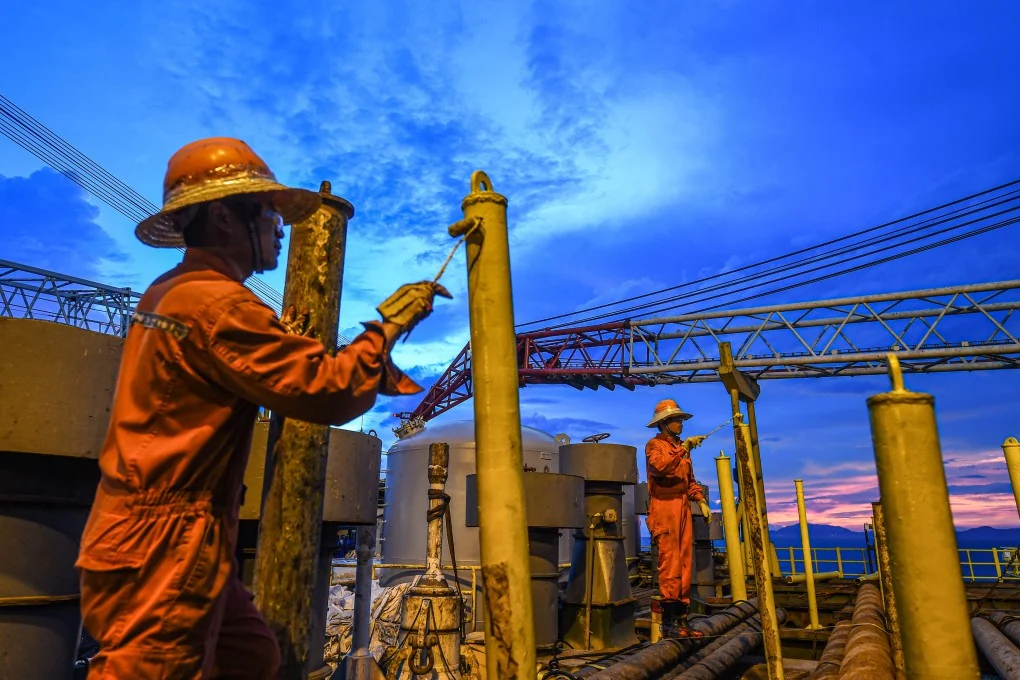
A number of Philippine lawmakers have called for the resumption of oil and gas exploration talks with China, amid the global energy crisis affecting many countries. This comes at a time when the world is facing significant challenges due to regional conflicts and their impacts on energy markets.
The President of the Philippine Senate, Vicente Sotto III, supported President Ferdinand Marcos Jr.'s desire to resume these talks, emphasizing the importance of cooperation with China under the current circumstances. He also noted that the situation in the Middle East could directly affect global energy prices.
Event Details
Earlier this week, Sotto expressed optimism about the possibility of reaching agreements with Beijing, despite warnings from the former Chief Justice, who argued that accepting China's terms could lead to dire consequences for Philippine sovereignty. He added that such a move could be seen as 'political and economic suicide.'
These calls come at a sensitive time, as the Philippines seeks to enhance its ability to secure energy sources amid rising prices and global demand. There are also concerns that these agreements could strengthen China's influence in the region, potentially impacting the Philippines' relations with other countries.
Background & Context
Historically, the Philippines has engaged with China in various fields, including trade and investment. However, relations between the two countries have been strained due to regional disputes in the South China Sea, where both nations contest sovereignty rights. In recent years, the Philippines has sought to strengthen its ties with the United States as a means to balance China's growing influence.
In 2023, the Philippines witnessed a visit from Chinese President Xi Jinping, during which discussions were held to enhance cooperation in energy and infrastructure. However, these talks did not yield tangible results, prompting Philippine lawmakers to look forward to resuming them under the current conditions.
Impact & Consequences
If agreements are reached with China, this step could significantly impact the Philippine economy. On one hand, these agreements could provide new energy sources and help alleviate economic pressures. On the other hand, they may lead to increased reliance on China, raising concerns about national sovereignty.
There is growing apprehension among certain political and public circles that these agreements could erode the Philippines' independence in decision-making. Additionally, there are increasing calls to seek alternative partnerships with other countries such as the United States and Japan.
Regional Significance
The Philippine-Chinese relations are part of the larger picture of international relations in the region. Amid escalating crises in the Middle East, these developments could influence Arab nations' strategies in dealing with China. There is also a growing interest among Arab countries in enhancing cooperation with Beijing in energy and trade sectors.
Ultimately, Philippine-Chinese relations remain a sensitive issue that requires a delicate balance between economic and political interests. The Philippines must consider all factors before making any decisions that could affect its future.