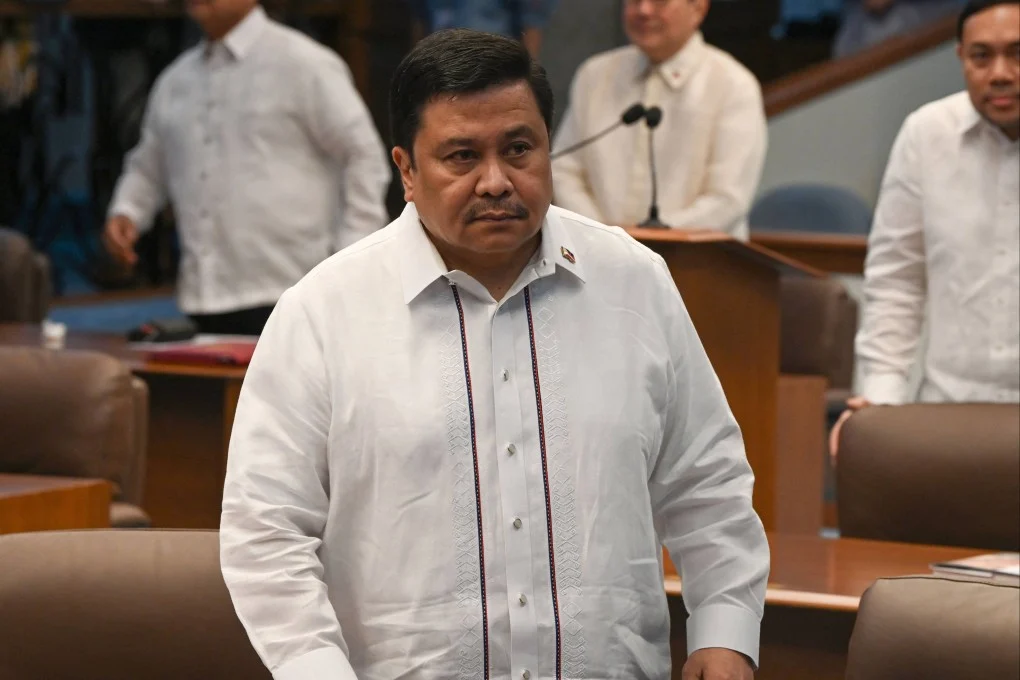
Philippine Senator José 'Jinggoy' Estrada, son of former President Joseph Estrada, is facing corruption charges that could lead to his imminent arrest. This announcement came after the Philippine Office of the Prosecutor revealed on Thursday that charges had been filed against him for accepting bribes in connection with a scandal involving infrastructure projects. This case arises at a critical time for the Philippine economy, which is experiencing a slowdown in growth and negative effects on consumer and investor confidence.
According to reports, Estrada is accused of receiving bribes amounting to 573 million Philippine pesos, equivalent to approximately 9.3 million US dollars, through a corruption scheme linked to infrastructure projects. The Office of the Prosecutor indicated that these actions represent a blatant violation of the country's anti-corruption laws.
Details of the Allegations
The accusations pertain to infrastructure projects that were executed in recent years, where it is alleged that Estrada obtained illicit funds through fake contracts or inflated amounts. This case has sparked widespread controversy within Philippine society, with many questioning its impact on the current government and the future of the senator himself.
This case is part of a series of scandals that have shaken the political landscape in the Philippines, where the country has witnessed numerous corruption-related issues in recent years, leading to a loss of trust in government institutions.
Background & Context
The history of corruption in the Philippines spans decades, as the country has struggled with rampant corruption at various levels of government. These issues have contributed to the deterioration of the Philippine economy and increased poverty among citizens. In recent years, the Philippine government has attempted to take serious steps to combat corruption, but these efforts often face significant challenges.
Estrada is considered a prominent figure in Philippine politics, having served as a senator after playing a significant role in the country's political life. However, the current allegations could severely impact his reputation and political future.
Impact & Consequences
This case raises significant concerns about its potential impact on the Philippine economy. Reports have shown that corruption in infrastructure projects can lead to a slowdown in economic growth and increased distrust among investors. Additionally, this case may affect the reputation of the current government and its ability to implement necessary reforms.
If the charges against Estrada are proven, it could lead to significant legal repercussions, not only for him but also for many other officials who may have a role in this scandal. This could open the door to further investigations into other corruption cases.
Regional Significance
This corruption case serves as an important reminder to Arab countries about the significance of combating corruption and enhancing transparency in government institutions. Corruption can have negative effects on economic and social development, necessitating effective measures to address it.
Moreover, this case may attract the interest of Arab investors looking for investment opportunities in the Philippines, as these events could influence their future investment decisions.
The charges against Senator Estrada reflect the ongoing challenges faced by the Philippines in fighting corruption, highlighting the urgent need for reforms in the country's political and economic system.