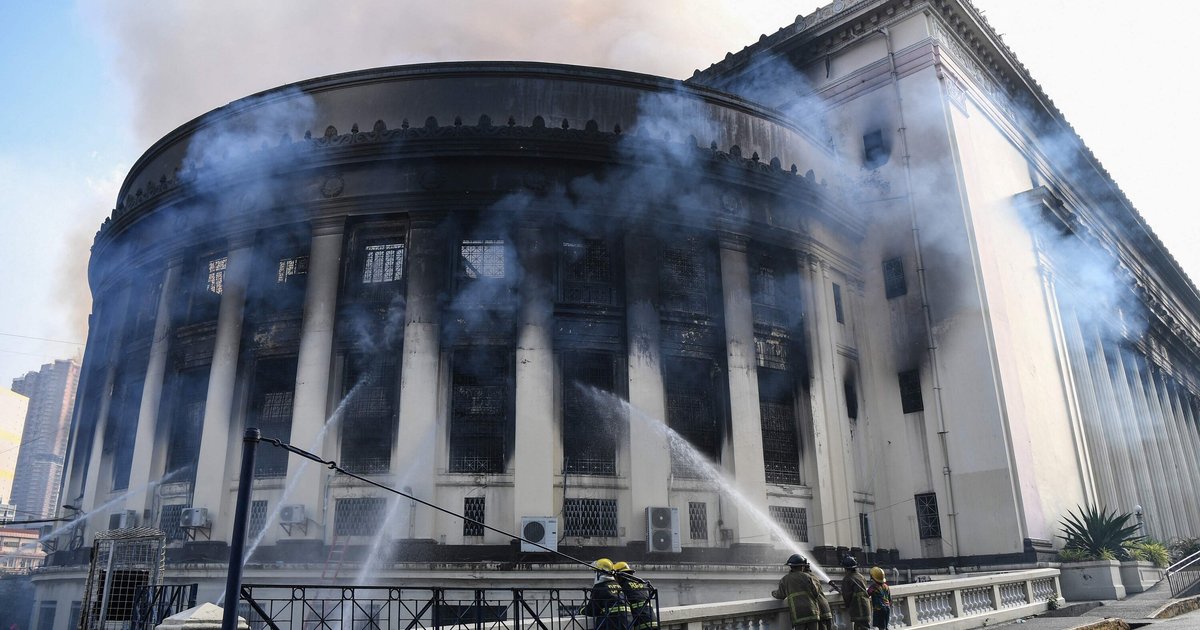
The Philippine government has announced the dismissal of over 900 fire safety inspectors as part of its efforts to combat rampant corruption within the sector. This action is aimed at enhancing public safety standards, especially following a series of tragic incidents that revealed significant gaps in the safety system.
These dismissals follow extensive investigations that uncovered corruption and manipulation in inspection processes, endangering the lives of citizens. The Philippine government hopes this step will help restore public trust in the safety system.
Details of the Scandal
The corruption scandal involves reports that some inspectors were receiving bribes from facility owners to facilitate inspections or overlook violations. These practices have led to widespread corruption in the sector, negatively impacting citizen safety. The decision was made after a comprehensive review of the inspectors' job performance, revealing that many had failed to fulfill their duties properly.
The Philippine government has confirmed that it will work on restructuring the safety inspection system, including training new inspectors and implementing stricter standards to ensure citizen safety. Plans have also been announced to develop a more effective oversight system to monitor inspector performance.
Background & Context
Historically, the Philippines has faced recurring corruption issues across various sectors, including public safety. In recent years, the country has witnessed several fatal incidents due to a lack of safety standards, prompting the government to take stringent measures to combat corruption and improve the situation. Corruption in this sector is not new, but it has become more apparent following the tragic incidents that occurred in recent years.
These dismissals are part of a broader strategy aimed at improving the quality of public services in the Philippines. The government hopes these steps will enhance the country's image in the international community and build trust in government institutions.
Impact & Consequences
This move serves as a warning to all public sector employees, reflecting the government's seriousness in fighting corruption. These measures are expected to improve public safety levels and reduce fatal incidents. Additionally, this step may encourage citizens to report any corrupt practices they witness, fostering a culture of transparency and accountability.
However, the biggest challenge remains ensuring the effective implementation of these policies. The government needs to establish strong oversight mechanisms to prevent the recurrence of corrupt practices in the future.
Regional Significance
The corruption issue in the Philippines exemplifies the challenges faced by many countries in the Arab region. Corruption poses a significant obstacle to sustainable development and negatively impacts citizens' lives. Arab countries can learn from the Philippines' experience in combating corruption by enhancing transparency and accountability within their institutions.
In conclusion, the dismissal of inspectors represents an important step towards improving the public safety system in the Philippines, but it requires ongoing support from the government and society to ensure its success.