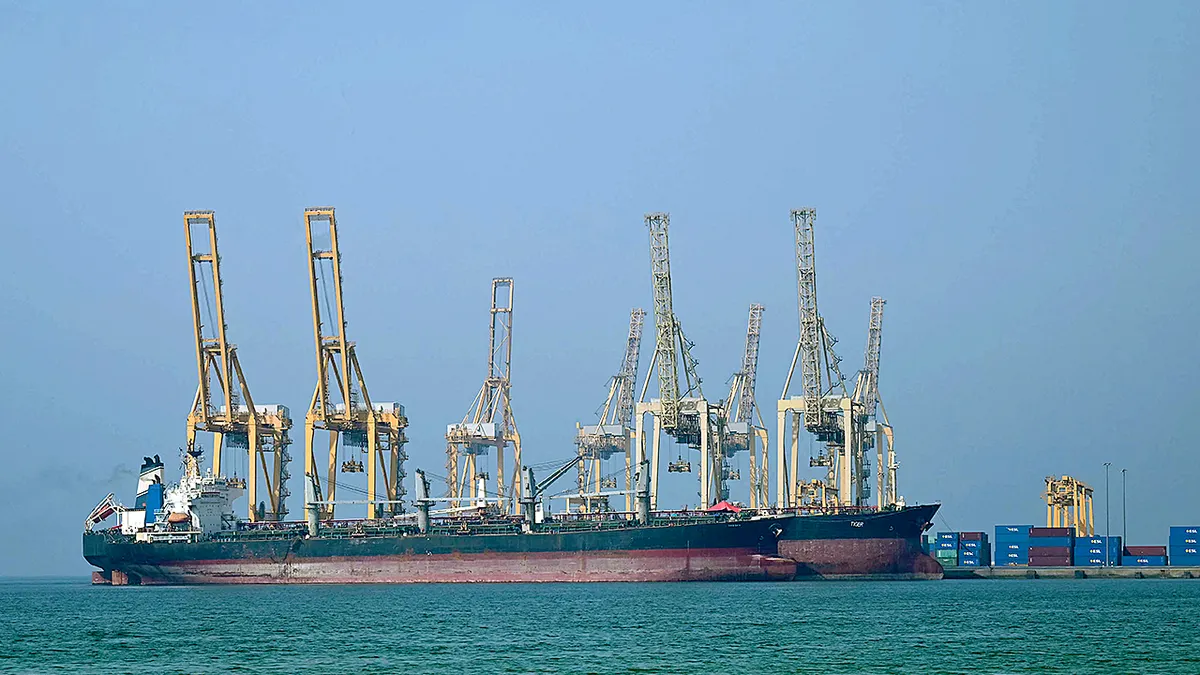
The Philippine government has announced the commencement of diplomatic talks with Iran to ensure the flow of oil through the Strait of Hormuz, a move aimed at securing the country's energy supplies. This was stated by the spokesperson for Philippine President Ferdinand Marcos Jr., Claire Castro, who confirmed that the president has directed the Department of Foreign Affairs to undertake these discussions.
Castro clarified that Foreign Secretary Teodoro Locsin will engage in talks with the Iranian ambassador, and these discussions are expected to take place either tomorrow or next week. This step comes at a sensitive time, as the region is witnessing an escalation of military tensions between Iran and both the United States and Israel.
Details of the Event
Reports indicate that the recent escalation in the region has led to a deterioration of security conditions in the Strait of Hormuz, which is a vital corridor through which approximately 20% of global oil supplies pass. At the end of February, the United States and Israel launched attacks on Iranian targets, resulting in significant damage and civilian casualties.
In response, Iran targeted Israeli sites and U.S. military facilities in the Middle East, further intensifying tensions and effectively imposing a kind of blockade on the strait, negatively impacting oil exports and global energy prices.
Background & Context
The Strait of Hormuz is considered one of the most important maritime passages in the world, linking the Arabian Gulf with the Gulf of Oman. Historically, this strait has witnessed numerous conflicts and disputes, particularly amid tensions between Iran and Western countries. In recent years, concerns have grown that any military escalation could disrupt maritime traffic and exacerbate the global energy crisis.
The Philippines, which heavily relies on oil imports to meet its energy needs, is seeking to secure its supplies through these talks with Iran. This comes at a time when the country is facing an energy crisis, prompting the Philippine government to declare a state of emergency in the energy sector due to tensions in the Middle East.
Impact & Consequences
These developments are expected to significantly affect global oil prices, as any disruption in the flow of oil through the Strait of Hormuz could lead to a notable increase in prices. Additionally, the Philippines, facing economic challenges, requires stable energy prices to ensure continued economic growth.
This dialogue with Iran is a strategic step for the Philippines, as it seeks to reduce reliance on alternative energy sources and ensure the stability of its supplies. Should these negotiations succeed, the Philippines may open new avenues for cooperation with Iran in the energy sector.
Regional Significance
Arab countries are directly affected by the tensions in the Strait of Hormuz, as this region is a lifeline for Gulf economies. Any escalation in conflicts could lead to negative repercussions on oil prices, impacting the budgets of oil-producing countries.
Moreover, regional stability is a crucial element for regional security, as any disruption could result in an influx of refugees and increased tensions among Arab nations. Therefore, the Philippines' success in securing its oil supplies could have a positive impact on the overall stability of the region.