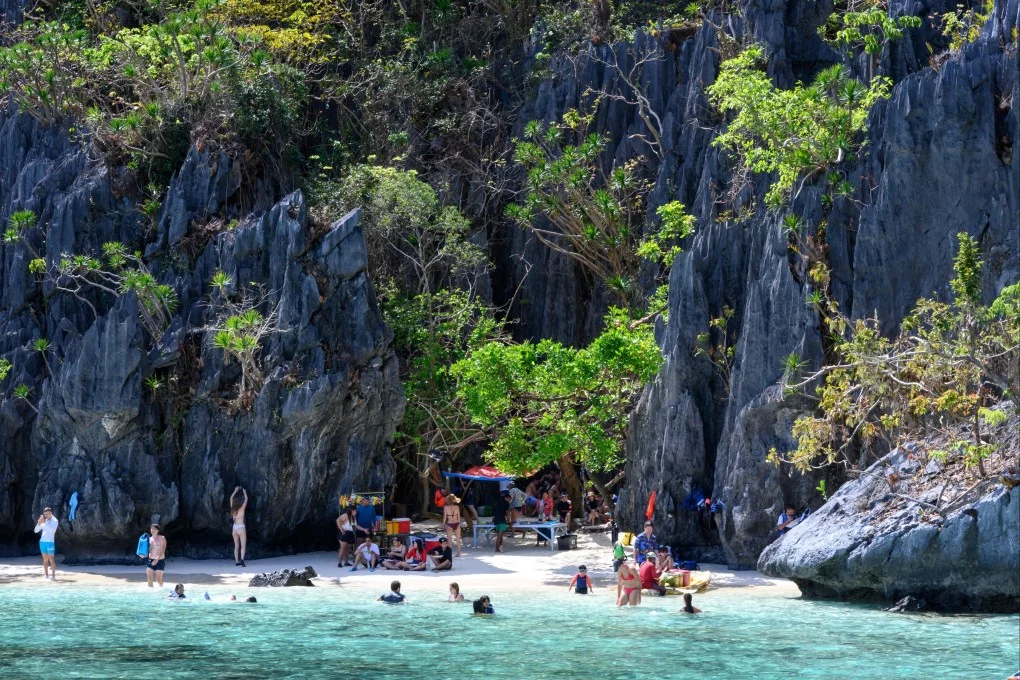
The Philippines aims to enhance its tourism sector by leveraging its presidency of the Association of Southeast Asian Nations (ASEAN) to offer unique travel experiences. However, the country faces challenges related to accessibility and fierce competition from nations such as Thailand and Indonesia. In the first four months of this year, the Philippines attracted approximately 2.1 million tourists out of a total of 48.5 million visitors to ASEAN countries.
The Philippines is renowned for its white sandy beaches and beautiful islands, yet it still struggles with accessibility to some tourist areas. Despite this, the Philippine government hopes that its presidency in ASEAN will contribute to boosting tourism by focusing on providing a warm and authentic experience for visitors.
Event Details
The Philippines is considered one of the leading tourist destinations in Southeast Asia, offering a variety of activities, from diving in coral reefs to exploring tropical forests. However, logistical challenges such as poor infrastructure and competition from neighboring countries affect its ability to attract more tourists.
In 2024, the Philippines welcomed 5.9 million visitors, reflecting a significant improvement compared to previous years. Nevertheless, these figures remain far from the levels achieved by countries like Thailand, which received over 40 million tourists during the same period.
Background & Context
The Association of Southeast Asian Nations (ASEAN) was established in 1967 to promote economic and political cooperation among member states. Over time, ASEAN has become an important platform for enhancing tourism among its member countries. The Philippines, regarded as one of the founding members, hopes that its presidency will help promote tourism by highlighting its rich culture and diverse history.
Historically, the Philippines has been a popular tourist destination, but it has faced significant challenges over the past few years, including the impact of the COVID-19 pandemic. However, the country has begun to recover slowly, as the government seeks to rebuild the tourism sector through new and innovative strategies.
Impact & Consequences
Tourism is one of the main sources of revenue in the Philippines, significantly contributing to the national economy. Enhancing tourism through ASEAN presidency could lead to the creation of new job opportunities and improve the living standards of local residents. However, this requires substantial investments in infrastructure and tourism services.
Moreover, improving the visitor experience can help enhance the Philippines' image as a distinctive tourist destination, increasing its competitiveness in the global market. It is crucial for the Philippine government to address current challenges to ensure the achievement of its tourism goals.
Regional Significance
The Philippines is a popular tourist destination for many Arab tourists, offering unique experiences. Boosting tourism in the Philippines can open new horizons for Arab tourists seeking exciting new destinations. Additionally, cooperation between the Philippines and ASEAN countries can contribute to enhancing tourism between Arab nations and Southeast Asia.
In conclusion, the Philippines seeks to capitalize on its presidency of ASEAN to enhance the tourism sector, but it needs to confront current challenges to ensure the success of this strategy. Improving visitor experiences and developing infrastructure will be key to achieving this goal.