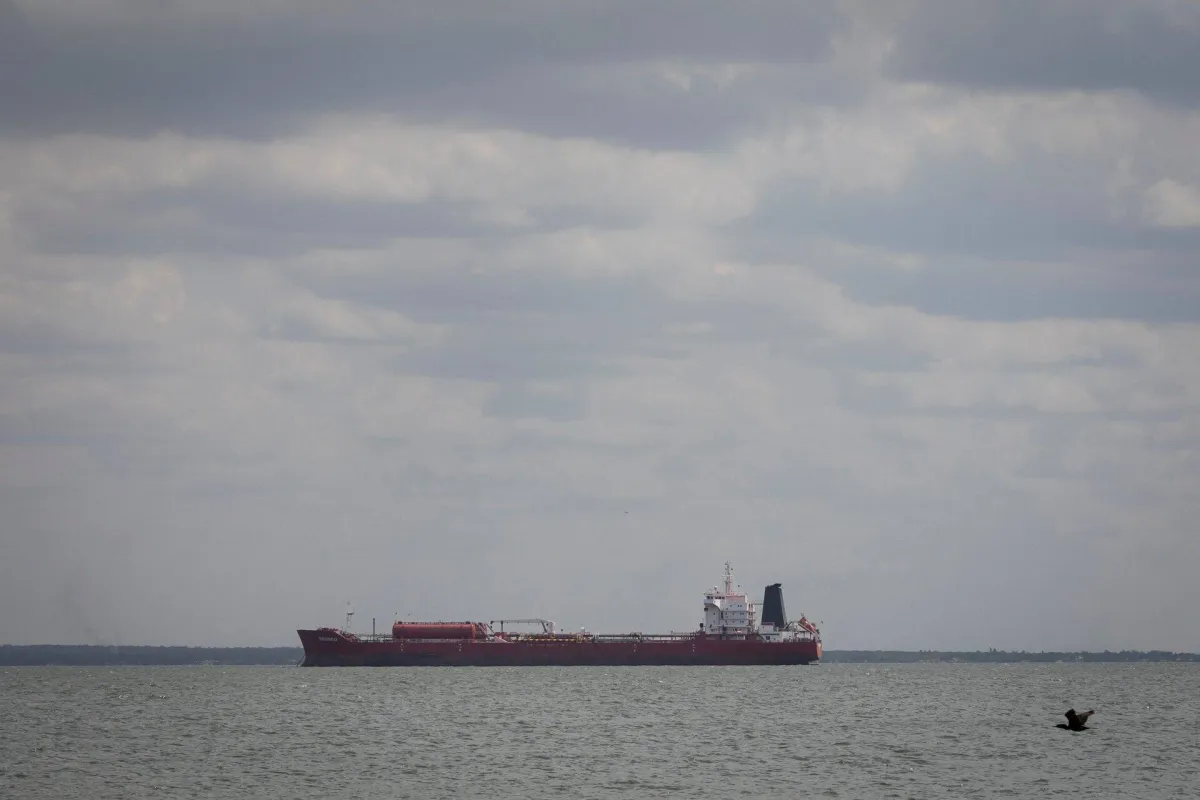
The Philippine Department of Energy announced on Monday that the United States has approved its request for an extension of the exemption granted for importing Russian oil and petroleum products. This decision comes at a critical time as the Philippines seeks to enhance its energy security amid global market fluctuations.
Philippine Energy Undersecretary Alessandro Salis clarified that the new exemption extends from April 17, 2026, to May 16, 2026. This decision underscores the United States' commitment to supporting the Philippines in securing its energy needs.
Details of the Extension
Philippine Energy Secretary Sharon Garin confirmed that the country has fuel reserves sufficient for 54 days, which enhances the Philippines' ability to face any potential energy crises. This exemption follows a previous 30-day exemption issued by the United States, which ended on April 11, reflecting the ongoing cooperation between the two countries in the energy sector.
Despite this extension, Garin emphasized that the Philippines will continue to suspend new coal projects in response to calls from trade groups to lift the ban due to security risks associated with the conflict in the Middle East. This decision reflects the challenges faced by the Philippines in balancing energy security with environmental commitments.
Context and Background
Historically, the Philippines has heavily relied on energy imports, making it vulnerable to global price fluctuations. As geopolitical tensions escalate, the need to secure energy sources has become more urgent. The United States, as a strategic ally of the Philippines, plays a pivotal role in supporting the country's efforts to secure energy supplies.
In recent years, the Philippines has seen an increase in energy consumption, prompting the government to seek new and sustainable sources. This extension is part of the Philippines' efforts to strengthen its international partnerships in the energy sector, especially with countries that have rich oil resources.
Consequences and Impact
The U.S. exemption extension may contribute to stabilizing oil prices in the Philippines, benefiting the local economy. Additionally, this decision could enhance the Philippines' ability to address any potential energy crises, especially amid current tensions in the Middle East.
On the other hand, this decision may face criticism from some environmental groups advocating for reduced reliance on fossil fuels. Nevertheless, the Philippine government insists that securing energy needs remains a top priority.
Impact on the Arab Region
Arab countries are directly affected by oil import decisions, as any changes in import policy could influence global oil prices. The Philippines, as a major importer, could play a role in stabilizing the oil market, benefiting producing countries.
In light of current tensions, Arab nations may seek to strengthen their trade relations with the Philippines to ensure a continuous flow of oil. This cooperation could contribute to enhancing economic stability in the region.
In conclusion, the U.S. extension of the exemption for the Philippines represents a strategic step reflecting the close ties between the two countries, as well as the challenges faced by the Philippines in securing its energy needs amid global market fluctuations.