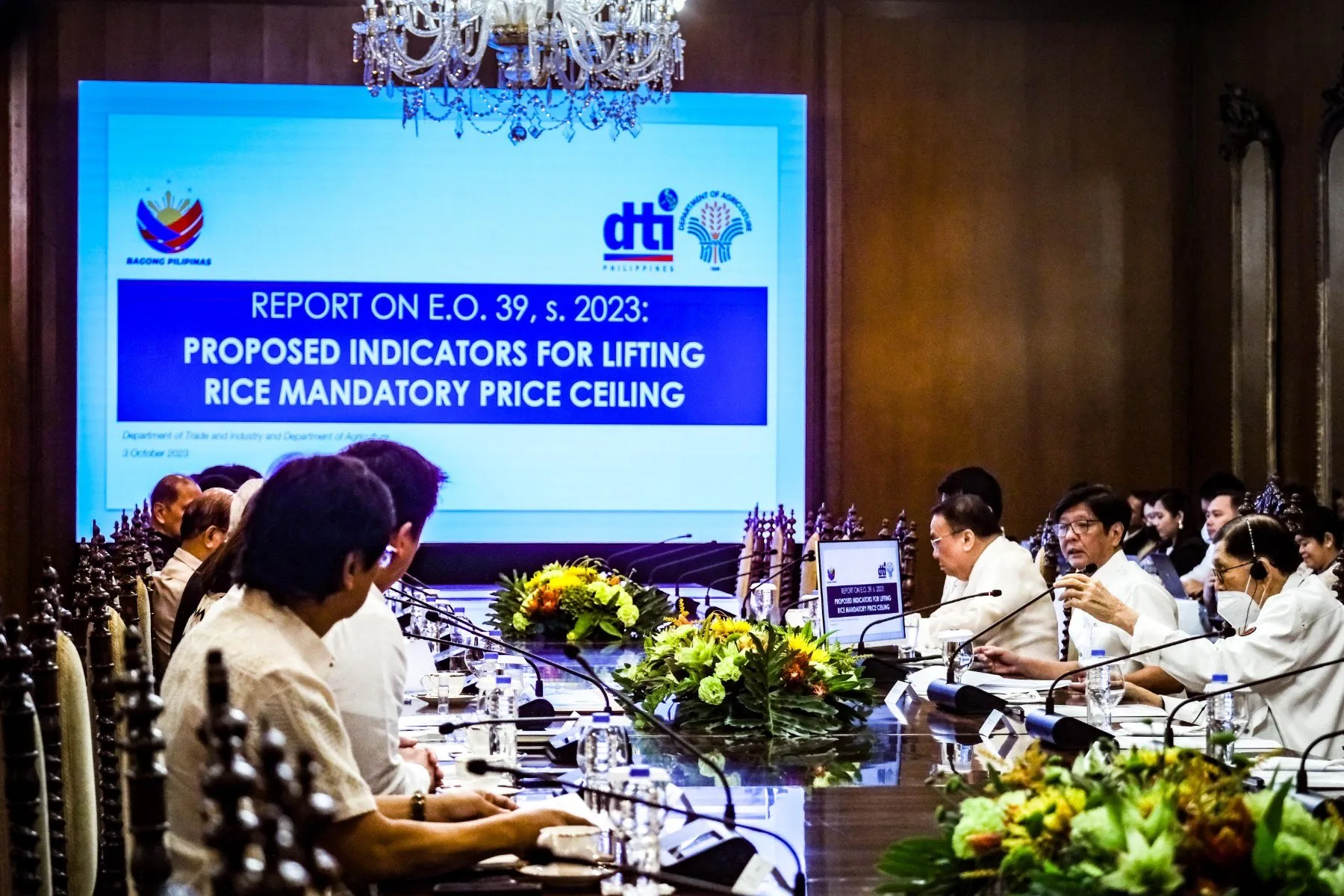
The Philippine government has unveiled a new plan aimed at curbing the rising prices of rice in the country, setting a maximum price of 50 pesos (equivalent to $0.83) per kilogram for imported rice. This move comes at a time when the Philippines is grappling with increasing food and energy costs due to ongoing global crises, including the conflict in Iran.
Through these measures, the Philippine government aims to protect consumers from the effects of rising inflation, which has significantly impacted the purchasing power of citizens. This plan has been approved by the government council responsible for price coordination, reflecting the government's commitment to addressing current economic challenges.
Details of the Initiative
This step comes at a time when the world is witnessing a notable increase in food prices, as political crises and military conflicts exacerbate the economic situation. Philippine officials have indicated that rice prices have surged significantly in recent months, making it imperative to take urgent action to protect consumers.
The government expects that setting a price cap on rice will help alleviate economic pressures on Filipino households, especially amid the challenging economic conditions faced by many citizens. Additionally, this move may contribute to stabilizing the local rice market, which is a staple food in the Philippines.
Background & Context
Historically, the Philippines has heavily relied on rice imports to meet its food needs. With increasing demand for rice in recent years, it has become essential for the government to take effective steps to ensure price stability. The Philippines has experienced several food crises in recent years due to fluctuations in global prices, prompting the government to implement precautionary measures.
The Philippines is one of the largest rice importers in the world, depending on neighboring countries to meet its needs. As conflicts escalate in regions such as Iran, it has become clear that the geopolitical situation directly impacts food prices in the Philippines.
Impact & Consequences
This decision is expected to have multiple effects on the Philippine market. First, the price cap on rice may help alleviate economic pressures on Filipino families, potentially leading to an improvement in living standards. Second, this decision could increase demand for imported rice, which may affect local production and make the Philippines more reliant on imports.
Moreover, the government may face challenges in implementing this decision, as it may require strict market oversight to ensure compliance with the set price. There are also concerns that price controls could lead to supply shortages if suppliers decide to reduce the quantities supplied.
Regional Significance
Arab countries are also affected by fluctuations in food prices, with many nations suffering from rising food costs due to political and economic crises. The Philippines' experience in setting rice prices may have implications for Arab countries, especially those that rely on food imports. Arab nations could benefit from studying how the Philippines is handling this crisis and applying similar strategies to protect their citizens.
In conclusion, the Philippine government's decision underscores the importance of government intervention in markets to protect consumers from the negative effects of inflation. As global crises continue, it remains crucial for countries to adopt effective strategies to ensure food price stability and safeguard their citizens.