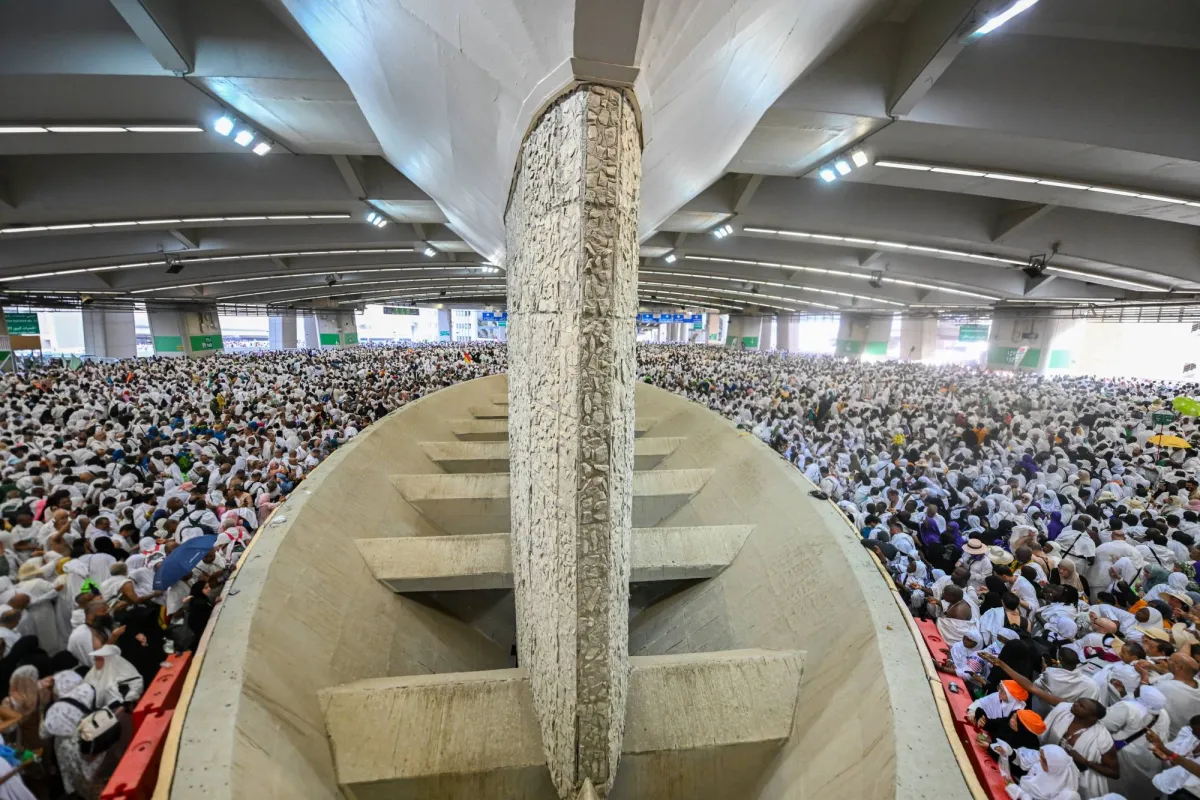
In the early hours of Wednesday, pilgrims at the Sacred House of God began throwing the major Jamarat Al-Aqaba, marking the first day of the blessed Eid Al-Adha, celebrated by millions of Muslims worldwide. The process of throwing the stones was well-organized, with pilgrims being smoothly and flexibly managed to the Jamarat facility, and then to the Grand Mosque to perform the Tawaf Al-Ifadah.
On Thursday, corresponding to the 11th of Dhul-Hijjah, pilgrims will welcome the first days of Tashreeq, expressing gratitude to God for the opportunity to perform the rites of Hajj. The pilgrims arrived at Mina early Wednesday from Muzdalifah, where they threw the Jamarat Al-Aqaba, shaved their heads, and exited the state of Ihram.
Details of the Event
The throwing of the major Jamarat Al-Aqaba is performed in accordance with the Sunnah of the Prophet Muhammad (peace be upon him), as pilgrims carry out this rite after standing at Arafat and performing the greatest pillar of Hajj, followed by spending the night at Muzdalifah. After this, pilgrims continue with the remaining rites of the Day of Sacrifice, which include the sacrifice, shaving or trimming their hair, and the Tawaf Al-Ifadah.
The guests of the Merciful performed the Tawaf Al-Ifadah in a spiritual and faith-filled atmosphere, surrounded by a distinguished service system. Dedicated pathways were prepared for their entry into the Grand Mosque, along with systematic plans and procedures to manage the crowds, ensuring their safety, security, and comfort.
Background & Context
The Jamarat facility witnessed a high level of crowd movement, thanks to direct field security monitoring, with pedestrian pathways organized and pilgrims managed according to precise operational plans. Prince Abdulaziz bin Saud bin Nayef, the Minister of Interior, inspected the special security forces participating in this year's Hajj, praising the efforts made to ensure the safety of the pilgrims.
Prince Abdulaziz emphasized that the integrated security, organizational, and service system for Hajj reflects the level of care for the pilgrims and enhances the efficiency of implementing security and organizational plans, ensuring they can perform their rites with ease and tranquility.
Impact & Consequences
As pilgrims celebrate the first day of Eid Al-Adha, the pathways of the camps in Mina have transformed into vibrant and joyful spaces. Pilgrims shed their white Ihram garments, coinciding with the minor exit from Ihram, and donned joyful and grateful attire, celebrating the completion of the majority of their rites.
With the sounds of Takbeer rising from the tents, these moments carry unforgettable human stories for the pilgrims, who will take these memories back to their homes as some of the most beautiful memories of their lives. The pilgrims returned from Muzdalifah to Mina amidst a comprehensive system of security, organizational, and health services.
Regional Significance
This occasion serves as an opportunity to strengthen bonds among Muslims worldwide. Pilgrims from various nationalities and cultures participate in these rituals, reflecting the unity of the Islamic Ummah. Additionally, the meticulous organization of Hajj showcases the Kingdom of Saudi Arabia's ability to host this significant event, enhancing its standing in the Islamic world.
As these blessed days conclude, everyone hopes that God accepts the pilgrims' Hajj and their rites, and that they return to their homes laden with blessings and beautiful memories.