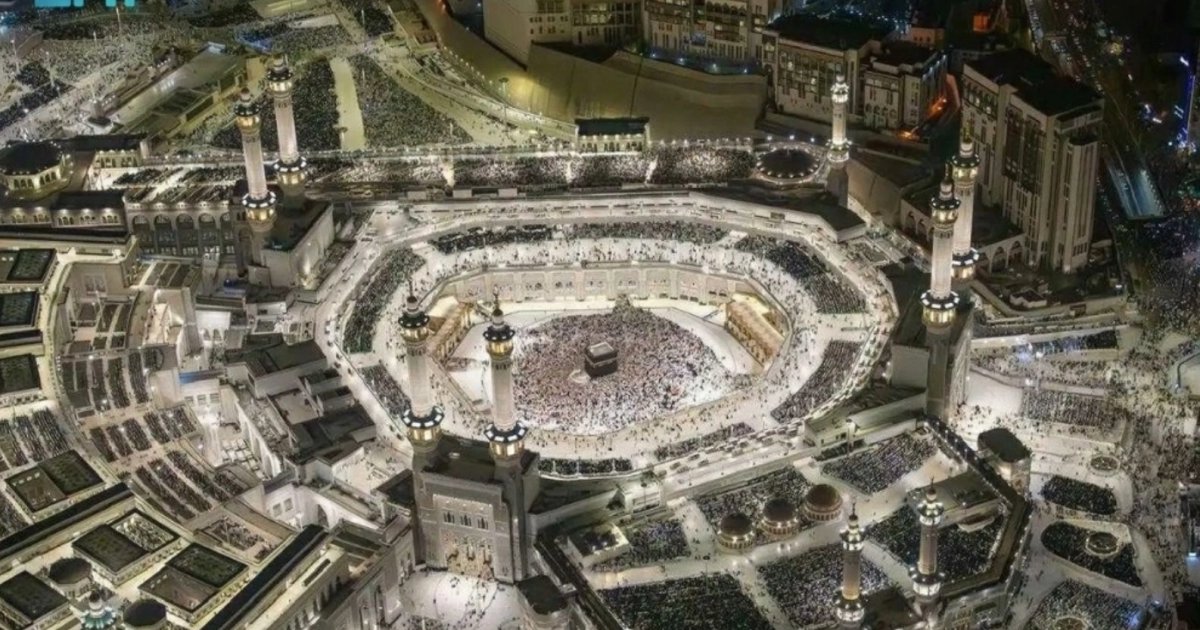
Authorities in Mecca have announced ambitious plans to establish a new airport and metro system, as part of the city's efforts to enhance infrastructure and transportation. Saleh Al-Rasheed, the CEO of the Royal Commission for Mecca and the Holy Sites, mentioned in an interview with Harvard Business Review that the necessary approvals have been obtained to develop Mecca's airport according to international standards, aiming to serve millions of visitors who flock to the city annually.
Al-Rasheed also confirmed that the commission will work in collaboration with the private sector to develop suitable investment models, without affecting the viability of airports in neighboring cities. He explained that feasibility studies and initial designs for the Mecca metro have already been completed, paving the way for the implementation of this vital project.
Event Details
The plans also include improving public services and the experience of visitors and residents through projects that encompass housing, infrastructure, and public services, with an emphasis on meeting community needs. Key performance targets have been set, including raising the satisfaction levels of residents and visitors to 90.5% by 2025.
Among the proposed initiatives is the “Smart Mecca” program, which utilizes artificial intelligence to monitor and manage crowd movement at the Grand Mosque and its surrounding areas. This includes predictive systems for crowd flow at the Jamarat Bridge and central areas, in addition to aerial imaging integrated with the “Baladi” application to enhance the pilgrims' experience.
Background & Context
Historically, Mecca has witnessed numerous development projects aimed at improving services provided to pilgrims and visitors. With the increasing number of visitors, the need to develop infrastructure has become urgent. The Royal Commission for Mecca and the Holy Sites has begun implementing major projects for several years, contributing to enhancing the experience of Hajj and Umrah.
In recent years, several major projects have been launched, including the development of a bus network currently operating with 400 buses across 12 routes, covering most neighborhoods and serving 430 stations, in addition to four main stations in the central area. Since operations began in February 2022, the number of service users has exceeded 185 million passengers.
Impact & Consequences
These projects are considered a strategic step towards improving the visitor experience and enhancing tourism in Mecca, contributing to supporting the local economy. Additionally, the development of the airport and metro will help alleviate traffic congestion and improve access to the holy sites.
Moreover, these projects will support the private sector, as plans have been made to establish the Western Jamarat Station, which will enable the completion of the Tawaf al-Ifadah in 20 minutes with a capacity of up to 20,000 passengers per hour. There are also plans to develop six new public markets and upgrade three existing markets.
Regional Significance
Mecca is an important religious and cultural center in the Islamic world, and thus the development of its infrastructure will positively impact Arab and Islamic countries. These projects will enhance religious tourism, strengthening cultural and economic ties between nations.
In conclusion, these plans represent an important step towards the development of Mecca, reflecting Saudi Arabia's commitment to improving the visitor experience and meeting the needs of the local community.