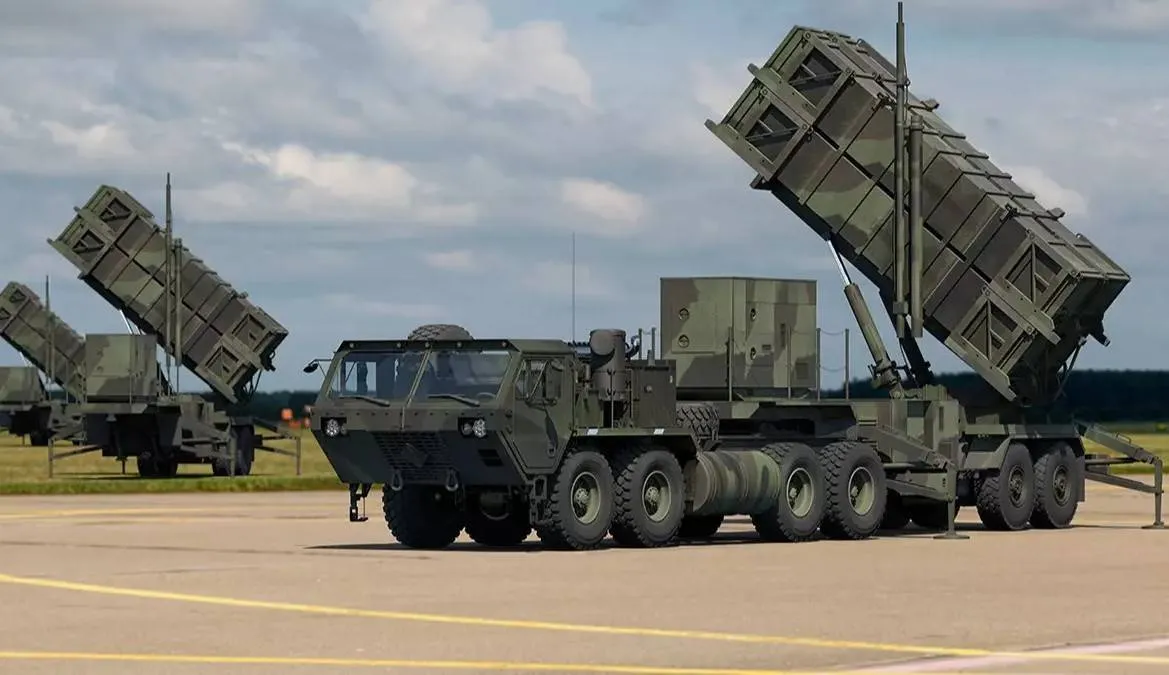
Turkish defense sources have unveiled ambitious plans by the North Atlantic Treaty Organization (NATO) to establish a new multinational command center in Turkey. Local reports indicate that these plans are progressing following NATO's deployment of Patriot air defense systems on Turkish soil, which comes in the wake of the downing of Iranian missiles on March 9 and March 13 of this year.
The Turkish newspaper Cumhuriyet reported that these plans began last year but have not yet seen any concrete steps taken. Further details emerged through a post by a NATO officer on LinkedIn, who confirmed his attendance at a conference for U.S. Army corps leaders, providing a new impetus for the initiation of these plans.
Details of the Initiative
According to the officer, referred to by writer Barış Türk Oğlu, the establishment of this corps is essential for enhancing NATO's deterrence and defense capabilities and improving coordination among member states. The emblem circulated for this corps features a two-headed Seljuk eagle flanked by the Turkish flag, with the words “Courage” and “Determination” on either side.
In this context, Türk Oğlu mentioned that he inquired about the project with the Turkish Ministry of Defense, and he was informed that this emblem is still provisional and that the corps is not related to the recent Iranian crisis, but is part of the alliance's regional planning.
Context and Background
These plans coincide with escalating tensions in the region, as NATO has deployed Patriot systems to secure Turkish airspace following missile launches from Iran. Previously, the U.S. Air Force transferred Patriot systems to Turkey to bolster its defensive capabilities, providing Ankara with security assurances amid tense circumstances.
Some reports suggest that the plans aim not only to enhance defense but also to create a form of regional stability amid ongoing developments such as the persistent conflict between Iran, the U.S., and Israel.
Implications and Effects
If these plans are effectively implemented, they could increase NATO's ability to address the growing security challenges in the Middle East. This move would bolster NATO's legitimacy in the region and reflect its commitment to the security of its allies, particularly Turkey, which is considered a strategic point in the European-Asian geopolitical equation.
However, the implementation of these plans requires close diplomatic development with all concerned parties to ensure that further tensions are not introduced into the region, especially with Iran, which may perceive this step as a threat to its security.
Impact on the Arab Region
These plans carry direct implications for the Arab region, as the enhancement of NATO's presence, particularly in Turkey, could reshape the security strategies of Arab countries in facing security challenges. The situation in the Middle East is complex, with countries having multiple interests facing threats from armed movements and regimes with hostile ambitions.
It is essential for all stakeholders to maintain balance and assess the impact of these plans on the overall situation in the Middle East, as fluctuations in the situation could lead to negative repercussions for regional security.