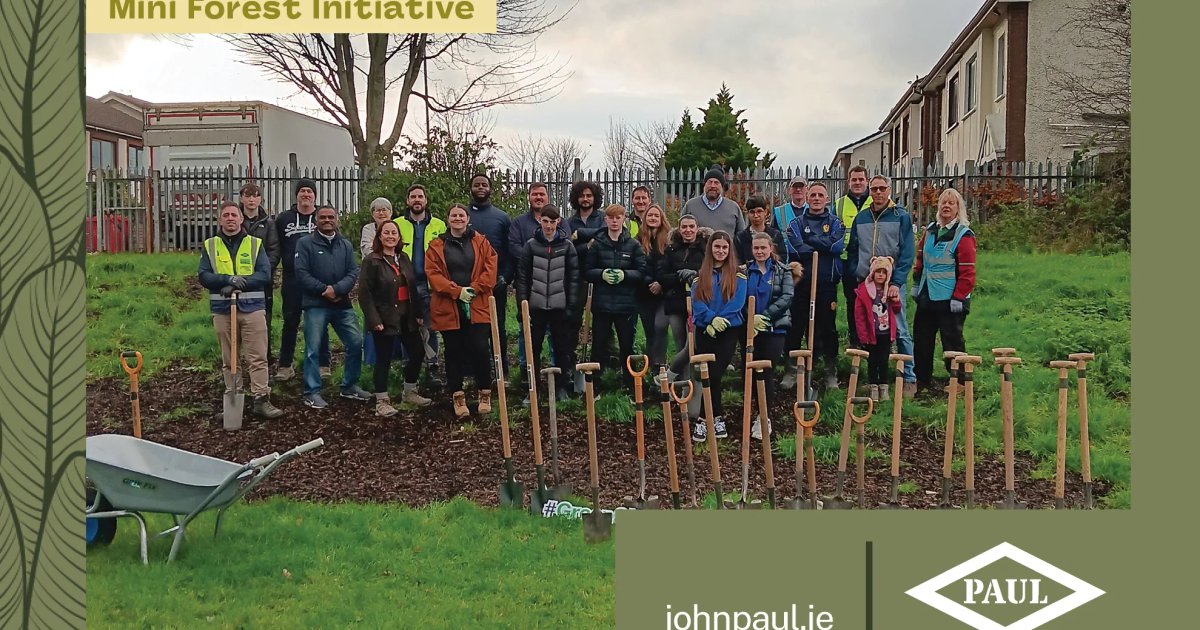
An environmental association has planted 100,000 acacia seeds in East Al-Shamli, aiming to enhance vegetation cover and improve the local environment. This initiative is part of ongoing efforts to combat desertification and promote biodiversity in the region.
This campaign seeks to rehabilitate degraded lands and improve air and water quality, as acacia trees are local species that withstand harsh climatic conditions and contribute to restoring ecological balance. The organizers of the campaign have expressed optimism regarding the potential outcomes of this planting.
Event Details
The campaign involved planting acacia seeds in specific areas, with careful site selection to ensure successful cultivation. Several volunteers and environmental enthusiasts participated in this initiative, reflecting the growing awareness of the importance of environmental conservation.
Acacia trees play a crucial role in the ecosystem, providing habitats for various living organisms and helping to reduce erosion and desertification. They also have economic benefits, as they can be used in the production of timber and other products.
Background & Context
This initiative is part of global efforts to address environmental challenges, as the world faces the impacts of climate change and desertification. The Al-Shamli region is a part of national efforts to promote environmental sustainability, with several previous projects aimed at improving the environment.
Governments and local communities are striving to raise environmental awareness and implement effective strategies to adapt to climate changes. Studies have shown that tree planting can play a critical role in improving quality of life and reducing carbon emissions.
Impact & Consequences
This initiative is expected to contribute to improving the local environment and enhancing biodiversity. It may also inspire more environmental initiatives in other areas, reflecting the importance of collective action in addressing environmental challenges.
This campaign serves as a model for how civil society can play a role in environmental protection, as such efforts can significantly enhance sustainability and achieve environmental goals.
Regional Significance
Environmental issues and climate change are major challenges facing Arab countries, where many regions suffer from desertification and water resource shortages. This initiative represents a positive step towards enhancing efforts to tackle these challenges.
By promoting vegetation cover, these initiatives can improve the living conditions of local populations and enhance food security. Moreover, these efforts reflect the commitment of Arab countries to achieving sustainable development goals.
In conclusion, this initiative highlights the importance of collective environmental action and emphasizes the need for collaborative efforts to protect the environment and ensure a sustainable future for generations to come.