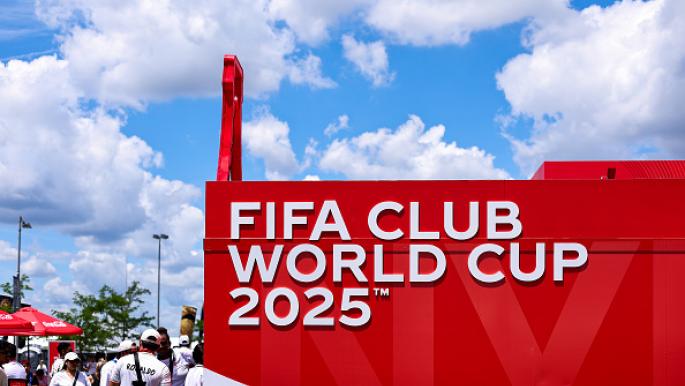
Protests among player unions worldwide are intensifying against the pressure of a congested match schedule, as players express growing concerns about the impact of this pressure on their health and performance. This conflict arises at a sensitive time when players are under increasing pressure to participate in a growing number of matches, raising questions about the future of football.
Several reasons have driven players to protest, as they point out that the busy schedule causes them physical and mental exhaustion, negatively affecting their on-field performance. Many unions, including the Professional Players' Union, have shown their support for players' demands to reduce the number of matches.
Upcoming Meetings in France
All eyes are currently on France, where important meetings are scheduled between player representatives and local and international federations. Players aim to present proposals aimed at reducing the number of matches, especially in major tournaments such as the UEFA Champions League and local leagues. Many players have indicated that they feel like mere tools in the hands of clubs and federations, which heightens the intensity of the protests.
At the same time, federations face significant challenges in trying to balance fan demands and financial returns from matches. Some federations have expressed their willingness to listen to players' demands, but they simultaneously fear the impact this may have on financial revenues.
Historical Context of the Issue
Historically, football has witnessed numerous crises related to schedule pressure, with previous attempts to reduce the number of matches failing to achieve the necessary balance. In recent years, both international and local tournaments have increased, leading to a doubling of the number of matches players compete in each season.
This issue is part of a broader discussion regarding player health and well-being, with increasing voices calling for improved working conditions in football. This matter has garnered media and fan attention alike, increasing pressure on federations to respond to players' demands.
Potential Changes and Consequences
If protests continue without a response from federations, they could lead to radical changes in the form of football as we know it today. We may witness changes in how tournaments are organized, which could affect both clubs and players. Moreover, failing to address players' demands may exacerbate health and physical crises among players, impacting the quality of the game.
Furthermore, these protests could raise awareness among fans about player health issues, potentially prompting them to demand positive changes. If federations respond to players' demands, we could see a shift in how football is managed, benefiting all parties involved.
Significance for the Arab Region
This issue is particularly significant for the Arab region, where many Arab countries are witnessing developments in football and an increase in the number of tournaments. Protests may influence how tournaments are organized in Arab countries, prompting local federations to reconsider match schedules.
Additionally, increased awareness of player health issues may lead to improved working conditions in Arab clubs, benefiting both players and fans alike. Ultimately, these protests could mark a turning point in football history, not only in Europe but around the world.