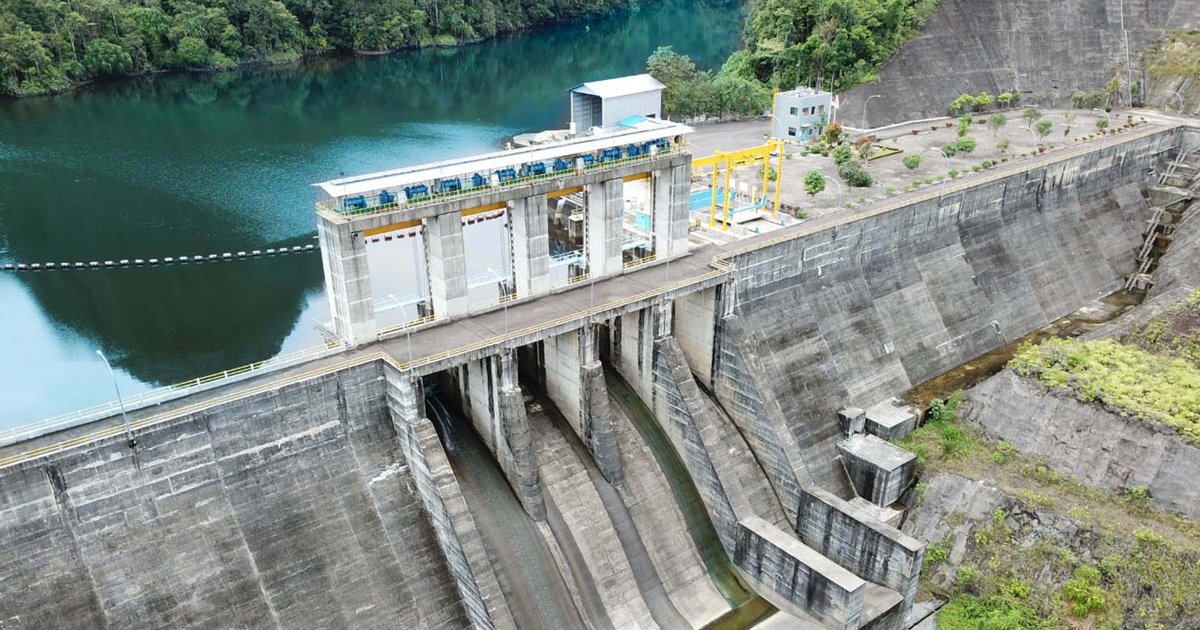
PLN Nusantara Power (PLN NP) has announced its provision of 14.1 gigawatts of electricity, which accounts for 42% of the total national load of 35 gigawatts, during the period of Ramadan and Eid al-Fitr 1447 AH. This announcement was made in an official statement by the company's director general, Rully Firmansyah, who emphasized the importance of providing electricity to citizens during this time.
The company is preparing to meet electricity needs by deploying 8,898 employees, 126 operational centers, and 45 fire trucks across Indonesia to ensure service continuity during Ramadan and Eid al-Fitr and beyond. Rully noted that these efforts are part of the company's commitment to providing a comfortable and safe environment for citizens to perform their religious duties.
Event Details
The preparation period for PLN NP runs from March 12 to March 31, 2026, during which strategic plans have been established to ensure the continuity of electricity supply. Rully confirmed that the company is enhancing coordination with various stakeholders, including the armed forces and police, to ensure the safety of operations and smooth access to electricity services.
He also mentioned that the company has successfully generated 1,821 megawatts of clean electricity from renewable energy sources, such as hydroelectric and solar power plants. This reflects the company's commitment to transitioning towards sustainable energy and reducing reliance on fossil fuels.
Background & Context
Indonesia is one of the largest countries in Southeast Asia, facing significant challenges in the energy sector. With the increasing demand for electricity during religious occasions like Ramadan, it becomes essential to enhance energy infrastructure. In recent years, the country has witnessed substantial investments in the renewable energy sector, contributing to improved sustainability of electricity supplies.
Historically, Indonesia has heavily relied on coal and oil for energy generation, but with growing environmental awareness, the government and private companies have begun transitioning to renewable energy sources. This shift has contributed to improved air quality and reduced carbon emissions.
Impact & Consequences
This initiative by PLN NP is a positive step towards achieving sustainable development goals, as it helps provide the necessary energy for citizens during Ramadan, facilitating their religious practices. Additionally, enhancing electricity supplies contributes to improving quality of life and bolstering social stability.
These efforts are expected to increase public confidence in the government's and companies' ability to meet citizens' needs, potentially fostering further investments in the energy sector. Moreover, reliably providing electricity during religious occasions can enhance religious tourism in the country.
Regional Significance
Indonesia's experience in securing energy supplies during religious occasions serves as a model that Arab countries could benefit from, as many Arab nations also experience increased electricity demand during Ramadan. Arab countries can draw lessons from this experience by enhancing their investments in renewable energy and developing energy infrastructure.
Furthermore, cooperation between Arab countries and Indonesia in the energy sector could contribute to achieving sustainable development goals and enhancing energy security in the region.