In an unexpected turn of events, rare Pokemon cards have become alternative assets attracting investor interest, as some of these cards have outperformed traditional stock indices like the S&P 500 in recent years. This new trend reflects how trading cards, once considered mere childhood memorabilia, have transformed into appealing investment tools.
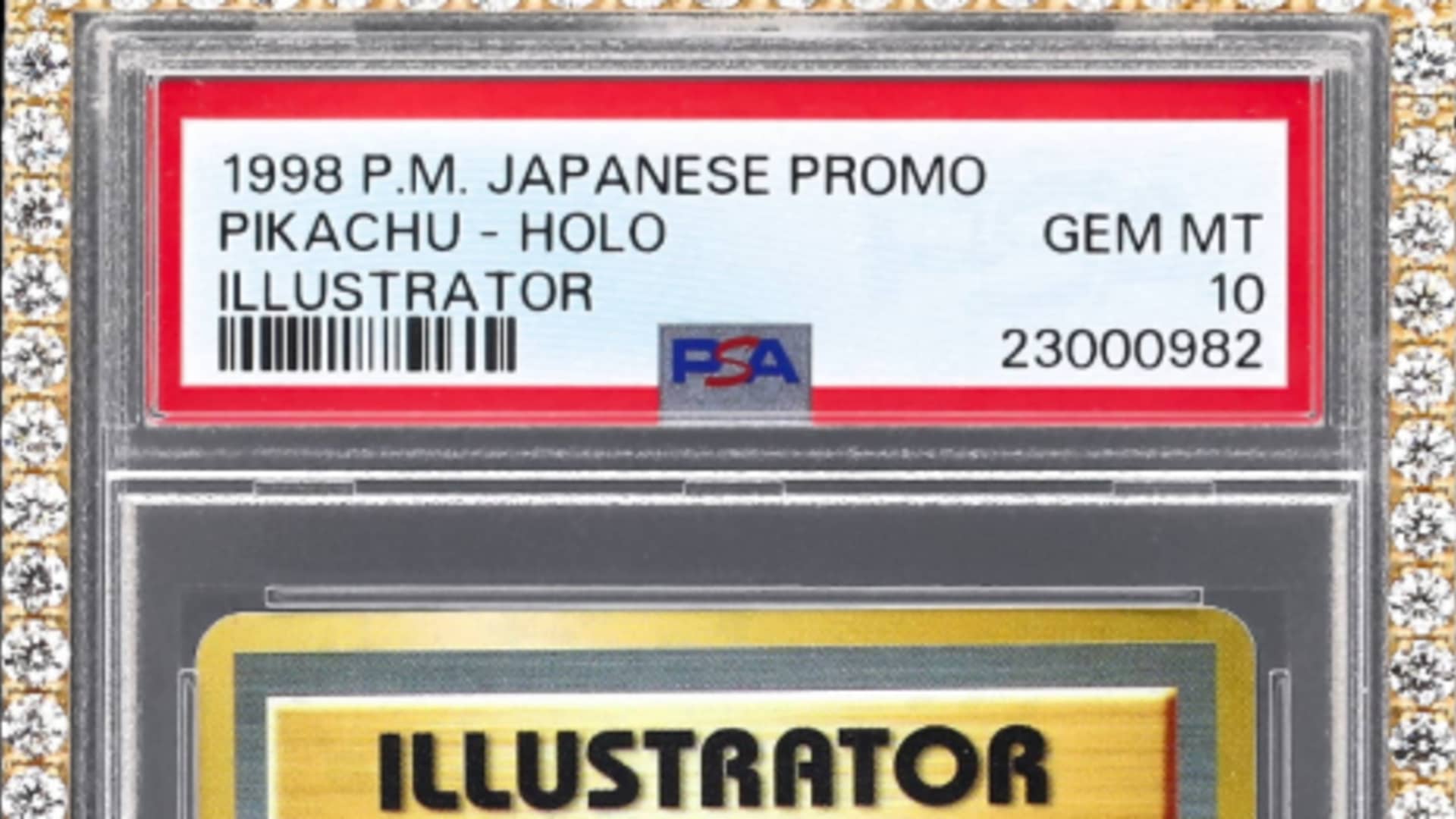
Last February, a rare card known as the "Pikachu Illustrator," owned by influencer and wrestler Logan Paul, achieved a new record by selling for over $16 million, making it the most expensive trading card ever sold at auction. This transaction was not just a fleeting event; it marked a sign of the growing interest in Pokemon cards as investment assets.
Event Details
Data from the trading card valuation tool "Card Ladder" shows that Pokemon card prices have experienced significant increases during certain periods, such as during the COVID-19 pandemic, where trading card sales surged by up to 350% between 2020 and 2025. This rise reflects an increasing interest in alternative assets, as investors began seeking new ways to diversify their investment portfolios.
According to the auctioneer who managed the sale of Logan Paul's card, Ken Golden, there is a group of individuals striving to acquire the rarest and highest-grade cards, leading to a supply shortage and rising prices. "We may never see this card offered for sale again in our lifetime," Golden added, highlighting the importance of rarity in determining the value of these assets.
Background & Context
Historically, Pokemon cards were considered part of gaming culture in the 1990s and early 2000s, collected by children and young adults. However, the shift towards serious investment has increasingly emerged in recent years, especially with celebrities like Steve Aoki and Post Malone entering this market, raising public awareness about the value of these cards.
This phenomenon is part of a broader trend towards investing in unconventional assets, as investors seek new opportunities away from traditional financial markets. However, this market is not without risks, as card prices can experience sharp fluctuations due to market pressures.
Impact & Consequences
The rise in Pokemon card prices illustrates how social and economic factors can lead to changes in investor behavior. While many are looking to diversify their investments, this phenomenon may open doors for more investments in alternative assets, altering the landscape of traditional investing.
However, investors must exercise caution, as price volatility can lead to significant losses. Understanding the market and conducting thorough research on assets before investing is crucial for ensuring success in this new field.
Regional Significance
In the Arab region, this phenomenon could present an opportunity for investors to draw attention to new markets. With the increasing interest in alternative assets, Pokemon cards could help foster a culture of investment among Arab youth, who may find in these assets a new means of generating wealth.
Ultimately, the rise in Pokemon card prices shows that the market is still full of opportunities, but investors must be aware of the associated risks. Understanding market dynamics and seeking accurate information can aid in making informed investment decisions.